Food Safety
The information and resource links below have been designed to help you plan how to work with food in a safe manner.
Think about all the ways that you might use food in your sessions. Do you:
- Provide snacks?
- Have members who bring a snack or packed lunch?
- Host parties where members or volunteers bring their own food?
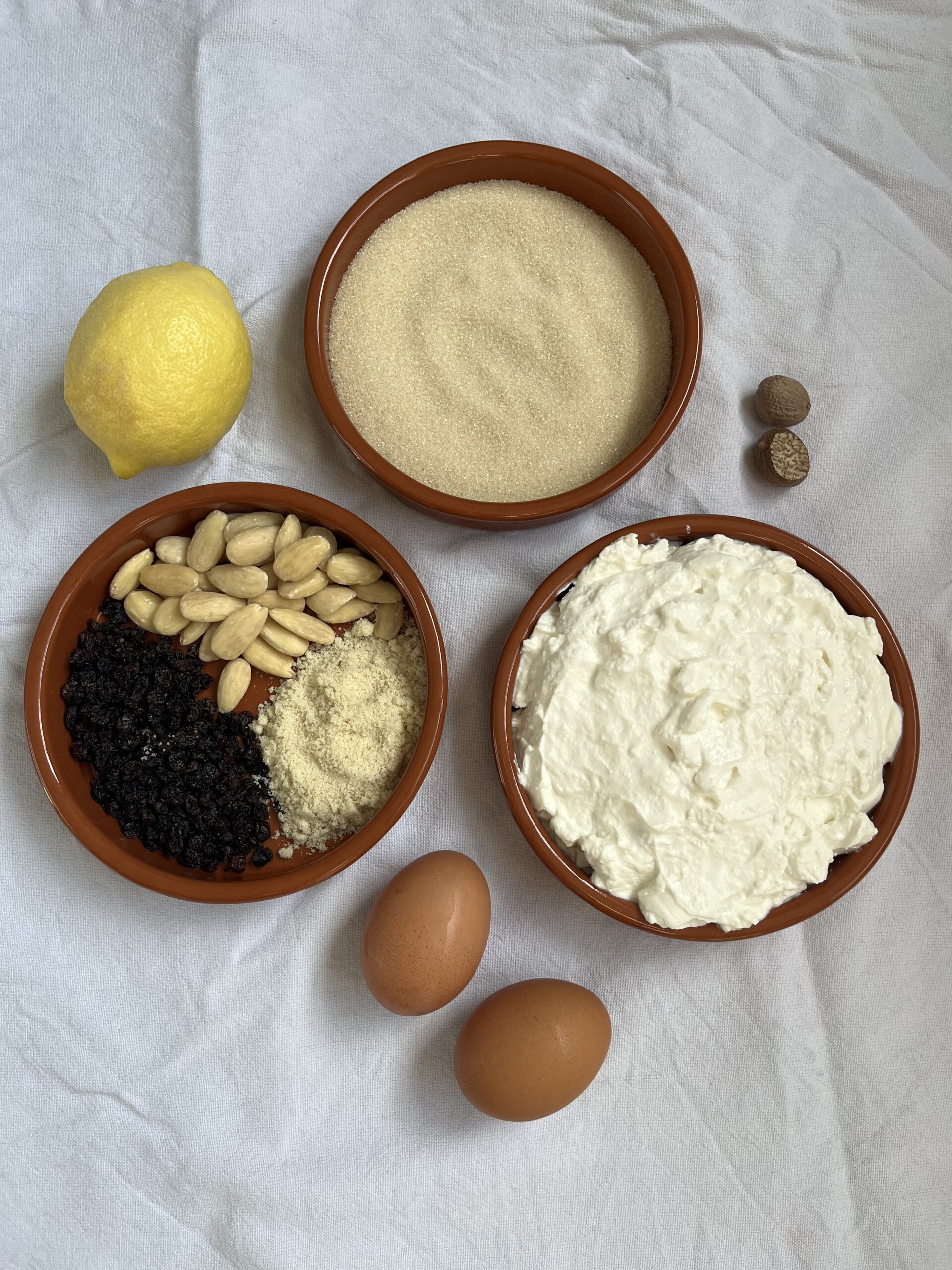
- Provide historic food tasting for members?
- Lead historic cooking activities?
If you answered yes to any of these then you need to know about Food Safety.
This Food Safety Checklist will help you plan for activities which involve food and/or food preparation in a safe and considered manner, meeting food safety standards.
Allergy Notice
YAC branches must take food allergies seriously, even if they do not regularly provide food at club sessions. Branches should note Allergy School‘s Top 5 Essential Practices for Out-of-School Settings:
- Know your allergens. Keep an up-to-date list of children with food allergies, their triggers, and medications. Make sure all staff and volunteers are aware and trained on individual Allergy Action Plans.
- Communicate early and often. Talk to parents in advance to gather essential medical info, permissions, and concerns.Contact venues about allergen policies and food safety measures.
- Be medication ready. Carry and check medications (like Adrenaline Auto-Injector (AAIs)) before every session and trip. Ensure at least one trained adult is always present and knows how to respond to anaphylaxis. Allergy School provide printable resources in English and Welsh on First Aid for Anaphylaxis: https://allergyschool.org.uk/resources/ooss/
- Create a safe eating space. Ban food sharing, clean surfaces, and check all food labels. Work with families or caterers to provide allergy-safe options and avoid cross-contact.
- Prepare for emergencies. Have a clear action plan in case of an allergic reaction, with roles assigned and emergency contacts ready. After sessions or trips, review what worked and update plans as needed.
A printable poster of this guidance can be downloaded here.
Branch leaders must be made aware of members and volunteers allergies and complete an Individual Support Plan. Please note that if members bring their own snack or packed lunch to your session(s) and you know that a member or volunteer has a food allergy then you should communicate to all members’ parents/carers that this type of food should not be brought into sessions. For example, if someone is allergic to nuts then ask that the branch becomes nut free.
Risk assessments: Members’ or volunteers’ allergies should be noted in activity risk assessments when planning activities that involve food, whether this be a food-based craft activity or a trip out that involves members bringing packed lunches. We encourage branch leaders to adhere to this guidance from Allergy School: Guidance for Managing Food Allergy risk for Out-of School Activities (Clubs and Societies). Allergy School have a range of resources
Training Resources
The following MS PowerPoint training module has been designed to help you consider different aspects around Food Safety and ensures that each volunteer has basic awareness training.
Whilst there is no specific guidance for our work, the Safer Food Better Business Childminder pack provides some excellent resources for good food hygiene practices. It is free to download at Safer food, better business for childminders | Food Standards Agency. Allergy School also have a range of resources and printable posters designed for out of school settings: https://allergyschool.org.uk/resources/ooss/
EpiPen training
YAC HQ is happy to book and pay for EpiPen training for CBA-managed branch leaders who feel they would benefit from this. Please email yac@yac-uk.org to discuss further.