Things to do at home
Looking for an activity to fill the afternoon?
Why not bake like an Anglo-Saxon? Or make a Roman shield? Dig into our array of activities to uncover hoards of fun…
We’re always looking for new activity ideas.
If you have an activity that you would like to share with us please email us at yac@yac-uk.org
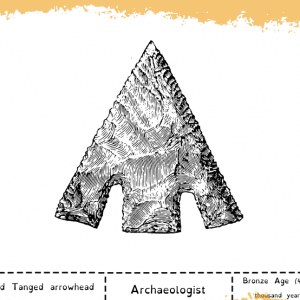
Archaeologist or Palaeontologist?
This game explores the differences between archaeologists and palaeontologists.
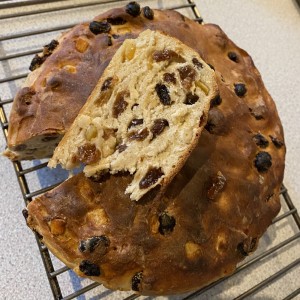
Bake a Medieval Simnel Cake
Simnel cake is a traditional yeast-leavened bread that is eaten during lent and at Easter (and is also associated with Mother’s Day). Originating in the medieval times, it was special because it was made out of the highest quality flour possible, simnel. The name may derive from the Roman ‘simila conspersa’, meaning ‘fine flour’.
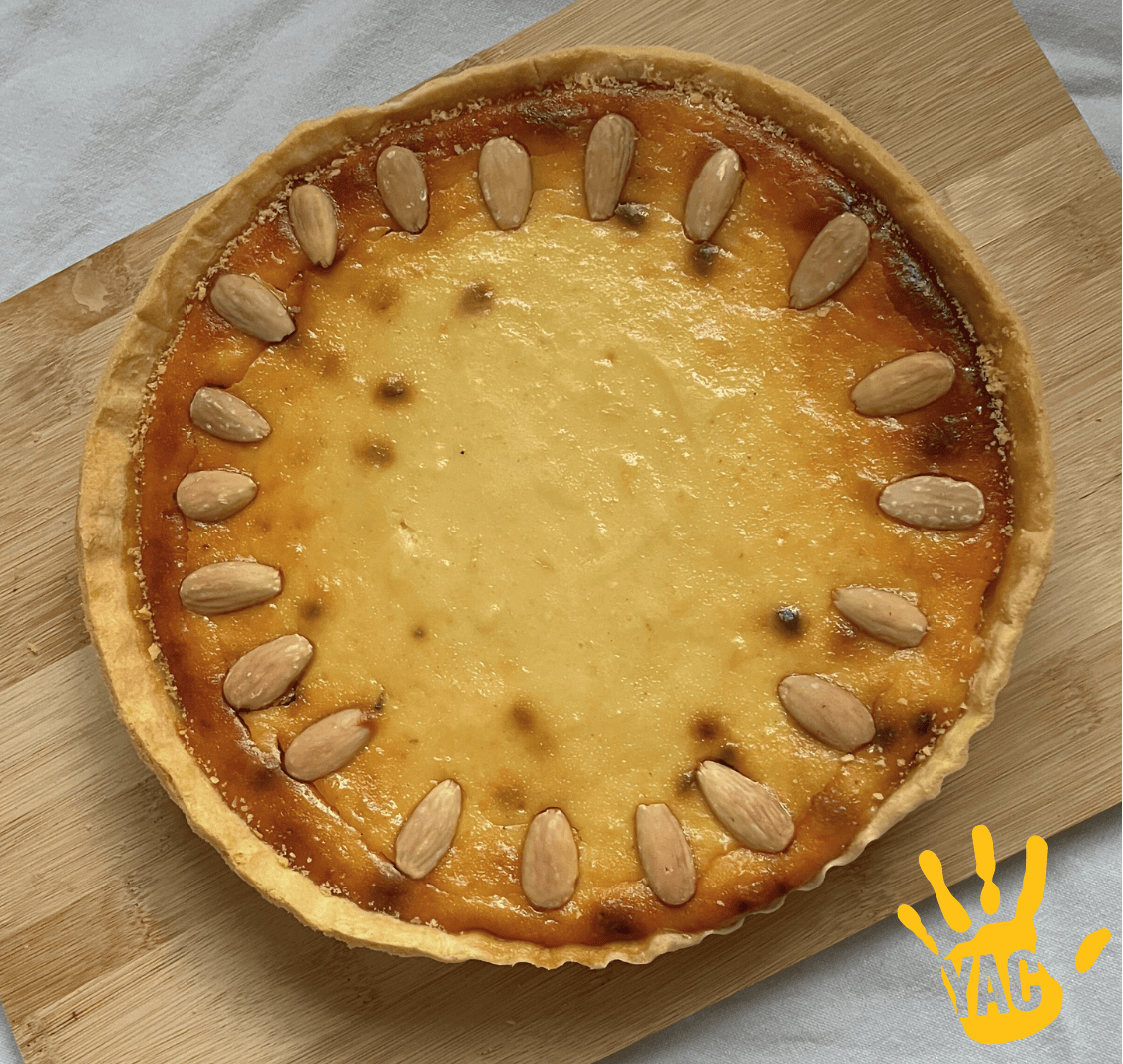
Bake a Tudor-style tart!
Get a taste of 16th-century feasting with our delicious recipe for a Tudor-inspired cheesecake tart! This tasty recipe from YAC HQ is inspired by several recipes from the period 1500-1700 that used soft cheeses, spices and dried fruit. Perfect for some weekend baking or as part of a group project on historical food!
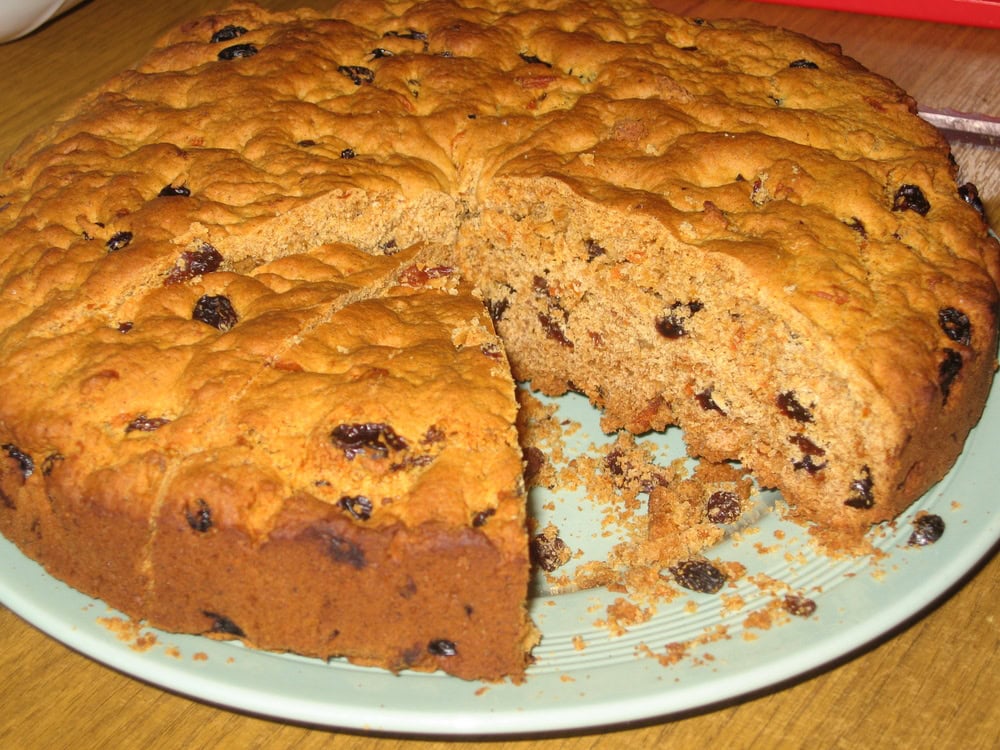
Bake an eggless cake
There was a shortage of eggs during the Second World War. Many people used powdered eggs or used recipes that did not need eggs at all. Why don’t you try making this easy eggless cake?
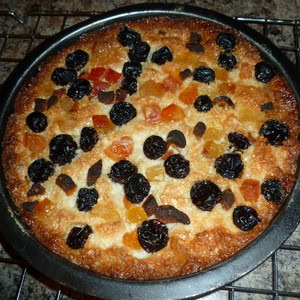
Bake Tudor Marchpane
Christmas dinner as we know it today started to appear in Tudor times – they started off the tradition of eating turkey and mince pies! In fact King Henry VIII was one of the first people to turkey as part of his Christmas dinner. Another popular Tudor recipe was for a sweet (a bit like marzipan), called Marchpane. Have a go at making your own Marchpane with this tasty activity!
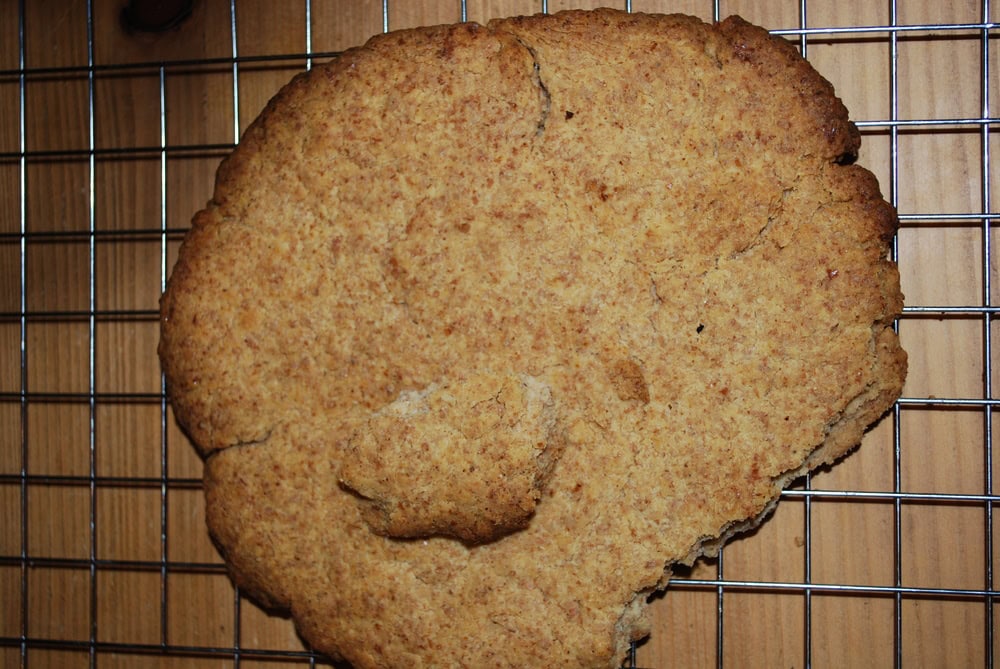
Bake Viking Flatbread
Archaeologists have found flatbread loaves in Viking graves at Birka in Sweden. You can make some Viking bread using our recipe. It is based on an old recipe from Normandy in France. It is believed to be as near to an old Viking flatbread as is possible.
Activity highlight
Bake Viking Flatbread
Archaeologists have found flatbread loaves in Viking graves at Birka in Sweden. You can make some Viking bread using our recipe. It is based on an old recipe from Normandy in France. It is believed to be as near to an old Viking flatbread as is possible.
YAC HQ
Adult supervision is required.
Type of Activity : Cooking
How many people required (minimum) : 1+
Safety Measures : Get your parent to use the oven for you
Ages : All Ages
Time Required: 1.5 hours (including the cooking time)
Find out more