Dear Phil, Please could you tell me what a henge is? Someone I know says he found one, but I’m not sure! Thank you very much. Peter (12)
Hello Peter,
My first question and a very interesting one! Right up my street!
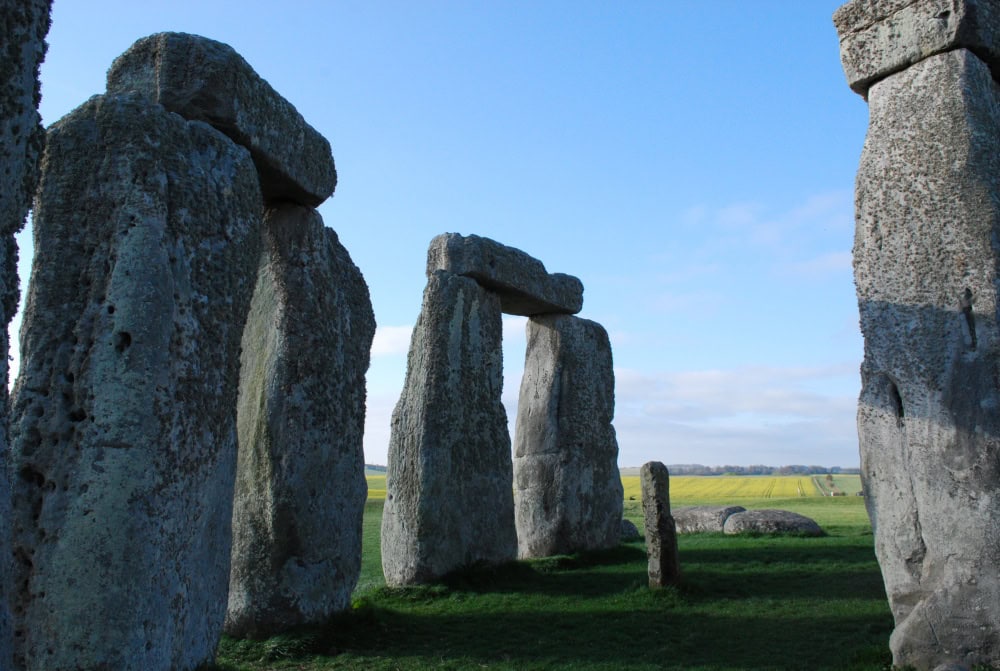
A henge is a circular bank and ditch monument usually with the bank on the outside. They usually have one entrance but some examples have two or three.
They were built in the later Neolithic period and on in to the Early Bronze Age, so perhaps around 3000 to 2000 BC.
Many of the henges we know today often have stone circles added to them at a later date like at Stonehenge or Avebury but that was not always the case; the three henges at Thornborough in North Yorkshire don’t have stone circles.
We rarely find any pottery or animal bone in the ditch which tells us people did not live in them and throw rubbish away; so what were they for?
Archaeologists believe henges are ritual monuments where people would attend ceremonies on important days of the year. Many henges have entrances aligned on midwinter sunrise and others on midsummer, suggesting the winter and summer solstices (the shortest day and longest day) were important. And it is likely the equinoxes (when the day and night are of equal length) were also important. After all, it was important for the farmers, who built the henges, to track the passing of year and to understand when best to plant crops and raise livestock.
Hope this helps, Peter!
Best wishes,
Phil
More questions answered by Phil Weston
Have you ever found a grave with a caveman in and did it have stone tools in it? Oaks and Birches Classes (Yr 3/4)
Hello Oaks and Birches Classes! In Great Britain people occupied caves and rock shelters during the Palaeolithic (old Stone Age) period after the end of the Ice Age, […]
Have you found a stone age picture?Sophie (7)
Hi Sophie, I love Stone Age art! It is one of my favourite subjects. But alas, I have never personally found some, it is very rare after all. […]
Why do we dig in the ground? George (5)
Hi George, Archaeologists dig in the ground to find evidence of the historical and prehistorical past. The prehistoric period is so named because it all happened before people […]