Cirencester YAC
Cirencester YAC is open to everyone aged 8–16 years. YAC clubs get involved in all sorts of activities, including visiting and investigating archaeological sites and historic places, trying out traditional crafts, taking part in excavations, and lots more.
Cirencester YAC is based at Corinium Museum. The club usually meets once a month. It is an affiliated club of the YAC network, and is YAC is run by Corinium Museum staff and volunteers.
If you’d like to get involved with Cirencester YAC, or find out more about how the club is run, get in touch with the team using the details below:
Contact: Michaela Lennox
Tel: 01285 655611
Email: michaela.lennox@freedom-leisure.co.uk
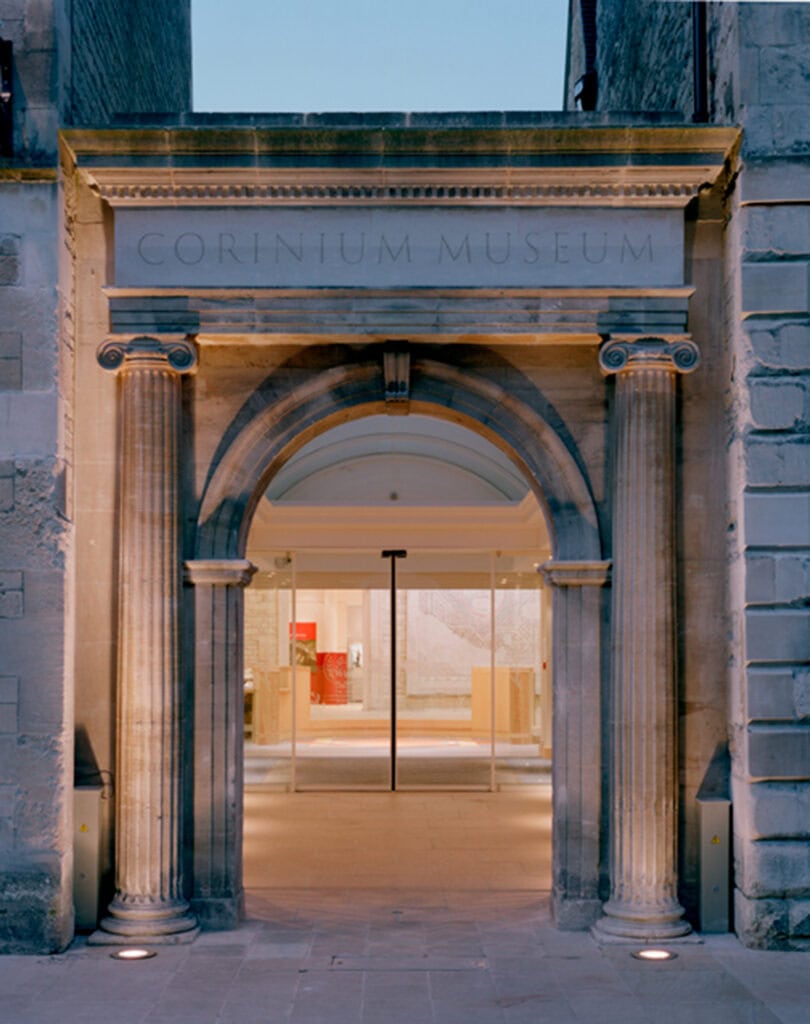
Corinium Museum, the home of Cirencester YAC.

Cirencester YAC is grateful for support from the Friends of Corinium Museum.
News from Cirencester YAC
September 2026 – Neolithic Long barrows
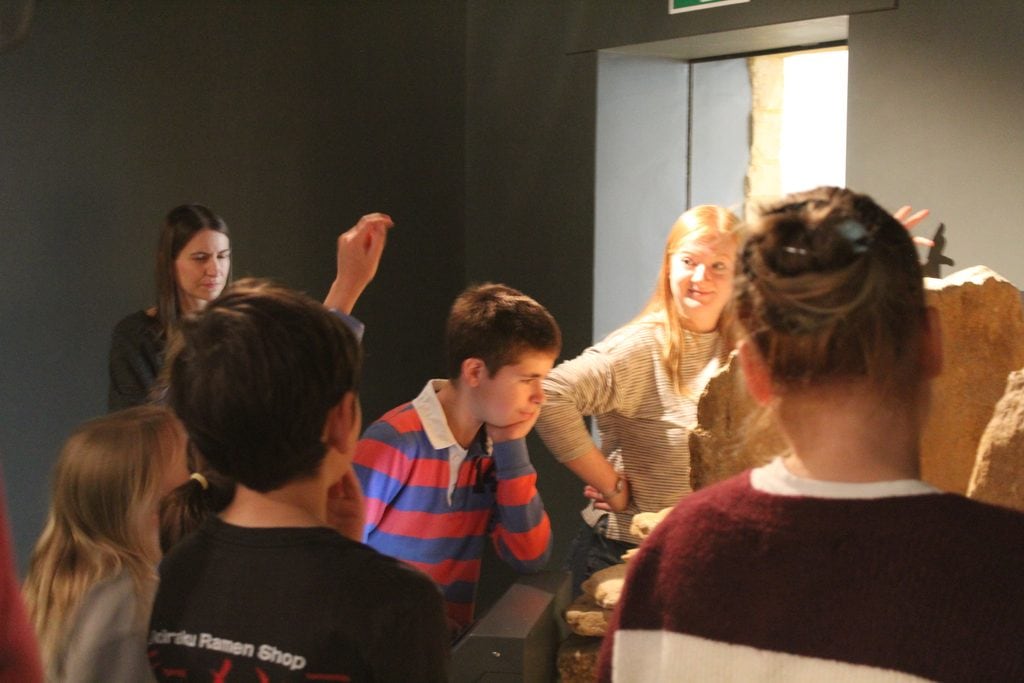
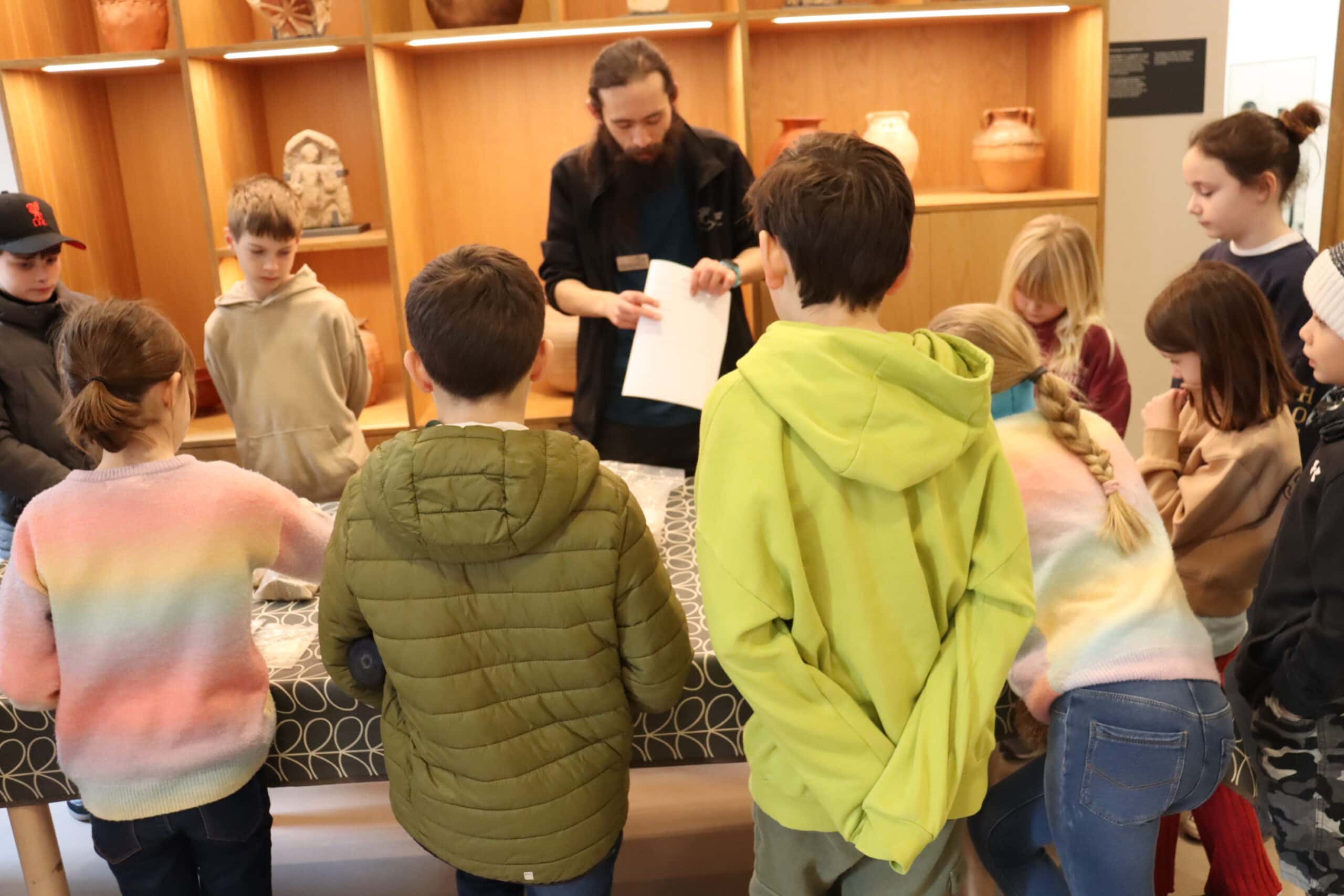
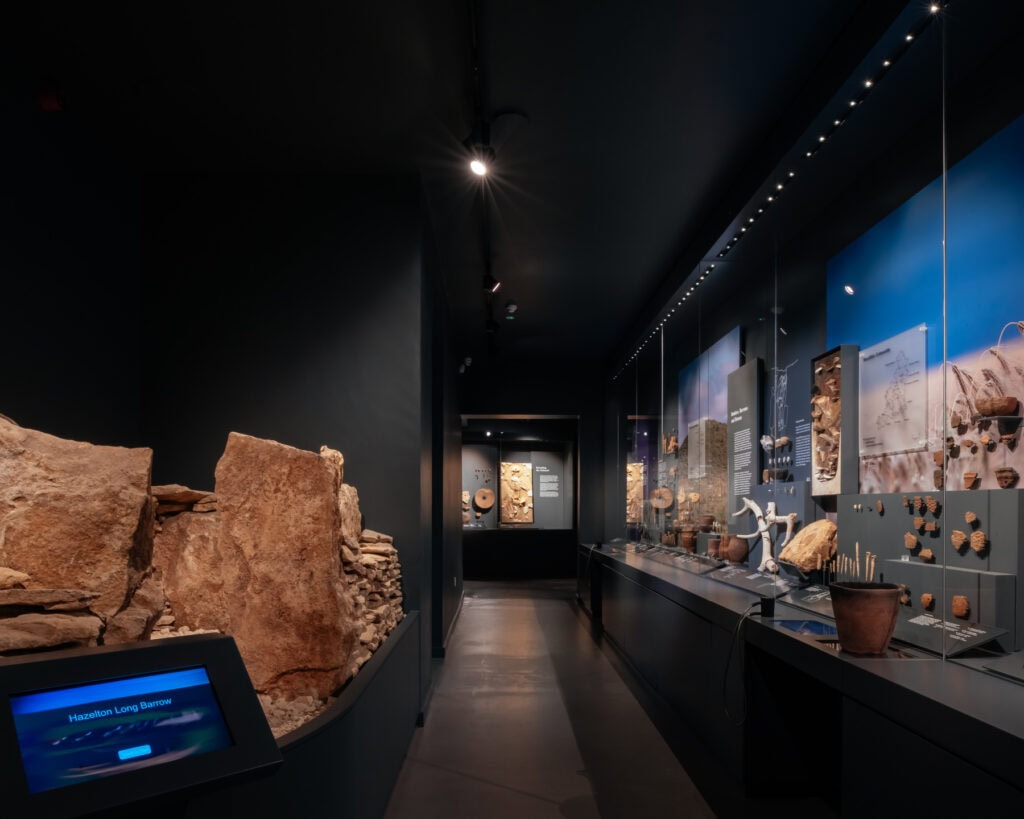
With the Summer holidays behind us we decided to start with something very old indeed by looking at some Neolithic Long Barrows. The Cotswolds is a particular rich area for them with over 60 known. We discussed how they were created and what they represented, and how they can differ. We focussed on one main barrow for our session this month by looking at Hazleton North which is one of the most researched long barrows in the world. We are very lucky to have this barrow in our collection, and we have a reconstruction of one of the burial chambers in our prehistory gallery which was a useful starting point to be able to show the young archaeologists. Rather than just looking at objects, we really wanted this session to be science based since Hazleton has been subject to intense testing over the last few years. As such we have a wealth of results we were able to make some activities out of for them to have a go at.
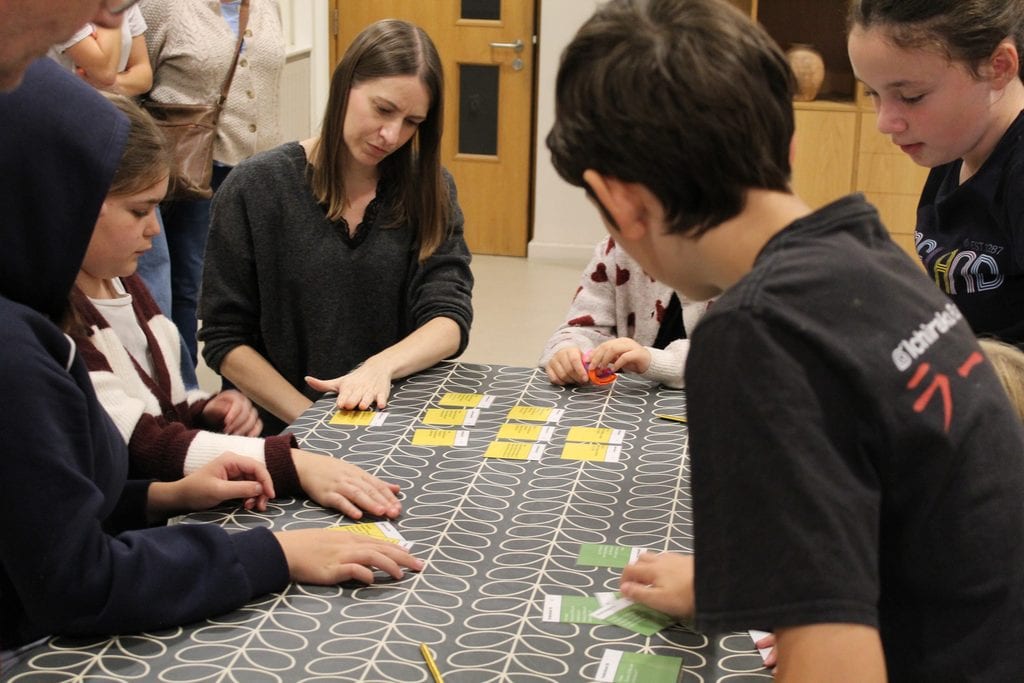
We looked at isotope analysis to look at what the people who were buried in the barrow were eating, and where they had come from. A lot of our young archaeologists very quickly worked out that the individuals weren’t eating fish, which makes sense for a hilly and landlocked part of the country. We then also had a go at reconstructing the world’s oldest known family tree which has been worked out looking at the DNA of 27 individuals buried in the barrow. They did very well to work everything out!
Next time, medieval abbeys!