Festival of Archaeology Youth Event at Tynemouth Priory and Castle
August 2026
In July CBA Youth Engagement staff teamed up with the Council for British Archaeology’s Youth Advisory Board and English Heritage to run an exciting youth event at Tynemouth Priory and Castle! We were joined by 37 young people aged 8-16 who took part in activities related to the Festival of Archaeology 2026 theme of Archaeology and Nature. Read on to find out what we got up to!
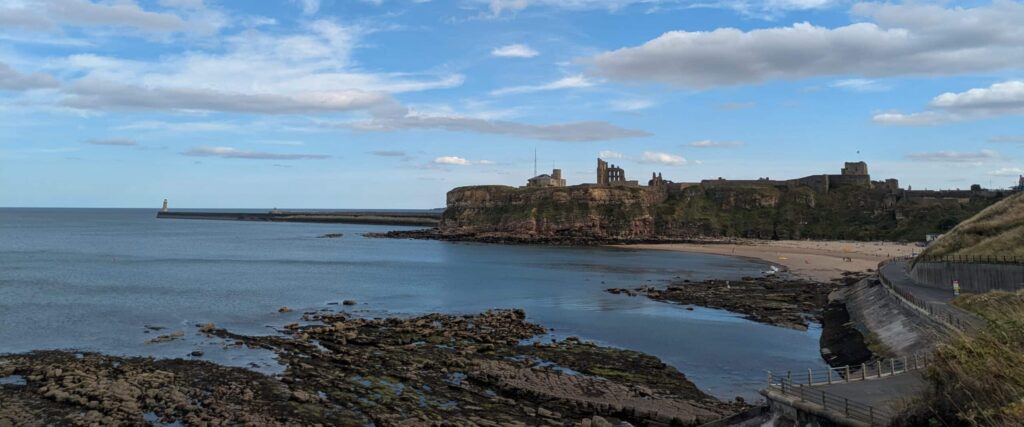
The vision of the day was for young people to explore new archaeological skills at an inspiring historic setting with plenty of access to nature. Tynemouth Priory and Castle has over 2000 years of history and includes a 14th-century castle gatehouse, the remains of a medieval priory and underground batteries used in both World Wars. Situated on the beautiful Northumbrian coast with stunning views of the sea, where better to host an activity day themed around archaeology and nature!
Working with English Heritage’s regional learning team and young producers, our Youth Advisory Board (YAB) planned a day with varied hands-on activities that would highlight different skills involved in working in archaeology and heritage. We decided that the day would feature three different structured activities which young participants would cycle through in three groups – understanding a historic site, recording a burial ground and textiles-based experimental archaeology – with time for our young participants to relax, socialise and enjoy a tasty picnic lunch.
Graveyard Recording
CBA Youth Engagement Officer Rachel teamed up with YAB member Emily to plan a practical activity based around the historic graveyard at Tynemouth.
Tynemouth Priory has been a place of burial and commemoration since the early medieval period. Three kings were buried at Tynemouth – Oswine of Northumbria (his murderer Oswiu founded the monastery as an act of penance in the 7th century!), Osred II of Northumbria (d. 792) and Malcolm III King of Scotland (of Macbeth fame!). Their original burials were likely a casualty of the dissolution of the monasteries under Henry VIII, but as a result of dissolution the priory became a parish church with its own burial ground. Unfortunately, many older graves were removed during military operations in the 19th century but the surviving gravestones give a fascinating insight into the social history of Tynemouth in the 18th and 19th centuries.
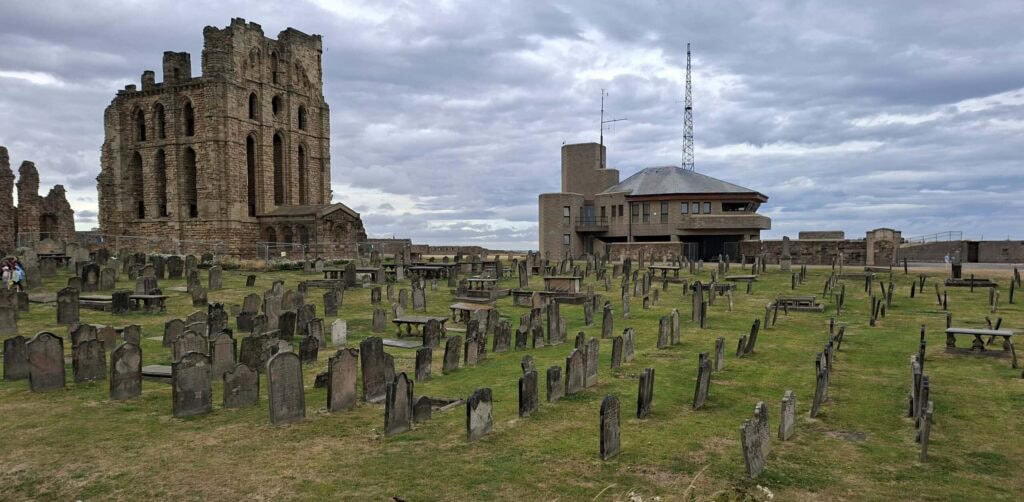
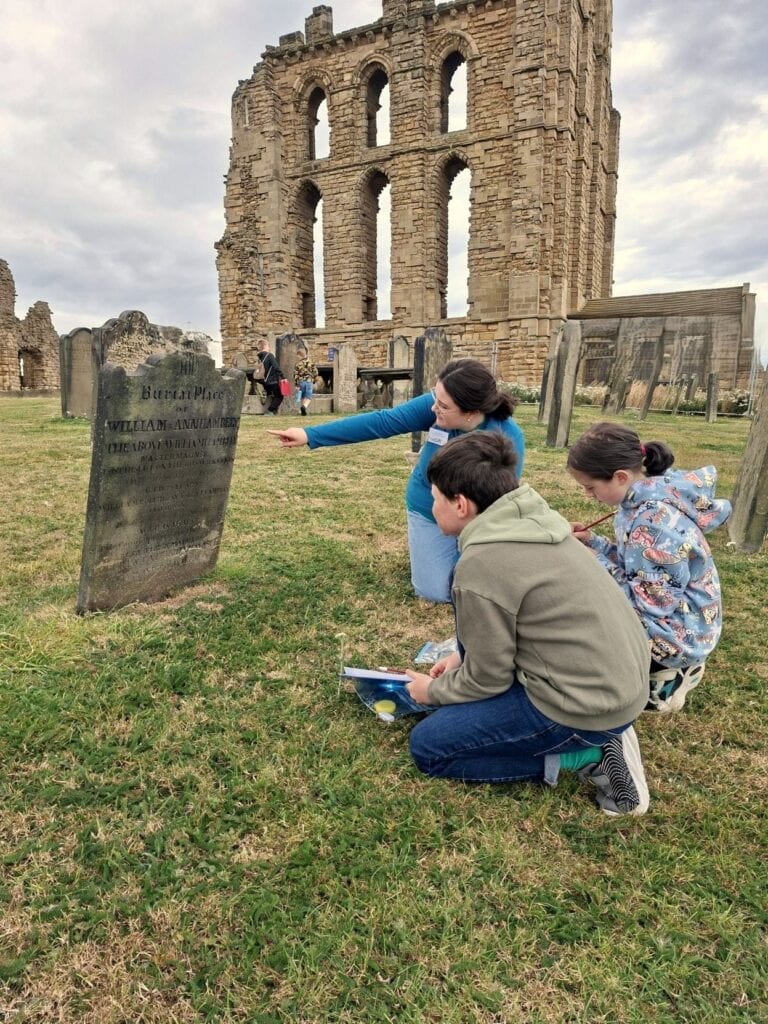
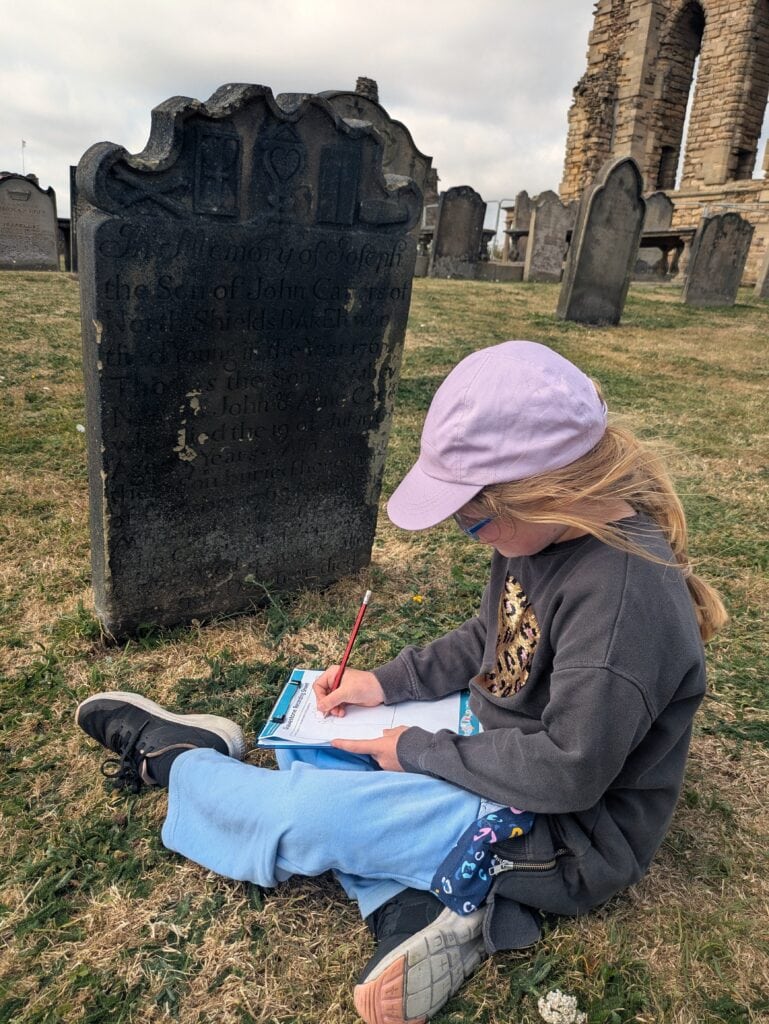
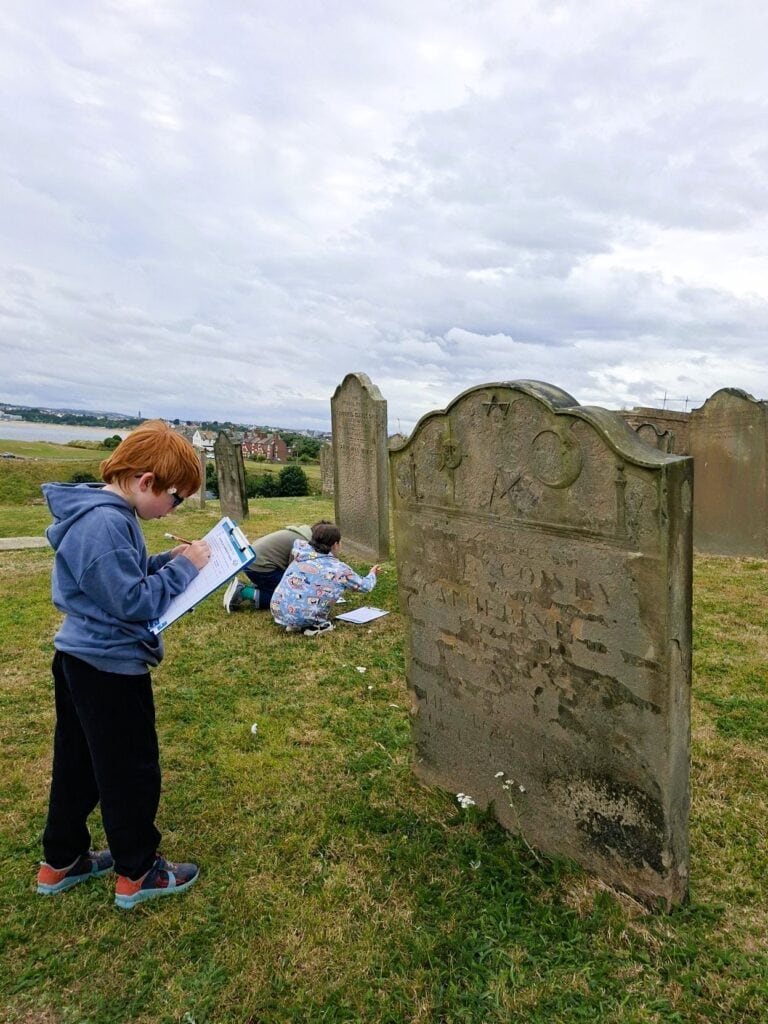
As well as exploring this amazing burial site we wanted the young participants to understand that recording features and remains above ground can be just as important as excavating below ground! Young people took on the role of archaeologists and completed a detailed recording of the graveyard. We worked in teams to record the dates in which people were buried and their personal information such as their jobs and where they were from. Although some of the graves were heavily eroded and difficult to read, everyone did a great job and collected some really interesting information that can help us understand the social history of Tynemouth.
Our young participants’ next challenge was to pick one gravestone and complete a detailed recording of it. For this activity Rachel and Emily adapted some of the brilliant resources created for YAC by Harold Mytum from the University of Liverpool back in 2020 – check out these resources here. By recording a gravestone each and sharing our work as a group we learnt a lot about the different symbols and pictures commonly found on graves in the 18th and 19th centuries, such as skulls, hourglasses, plants and religious symbols.
Touring the Priory and Castle
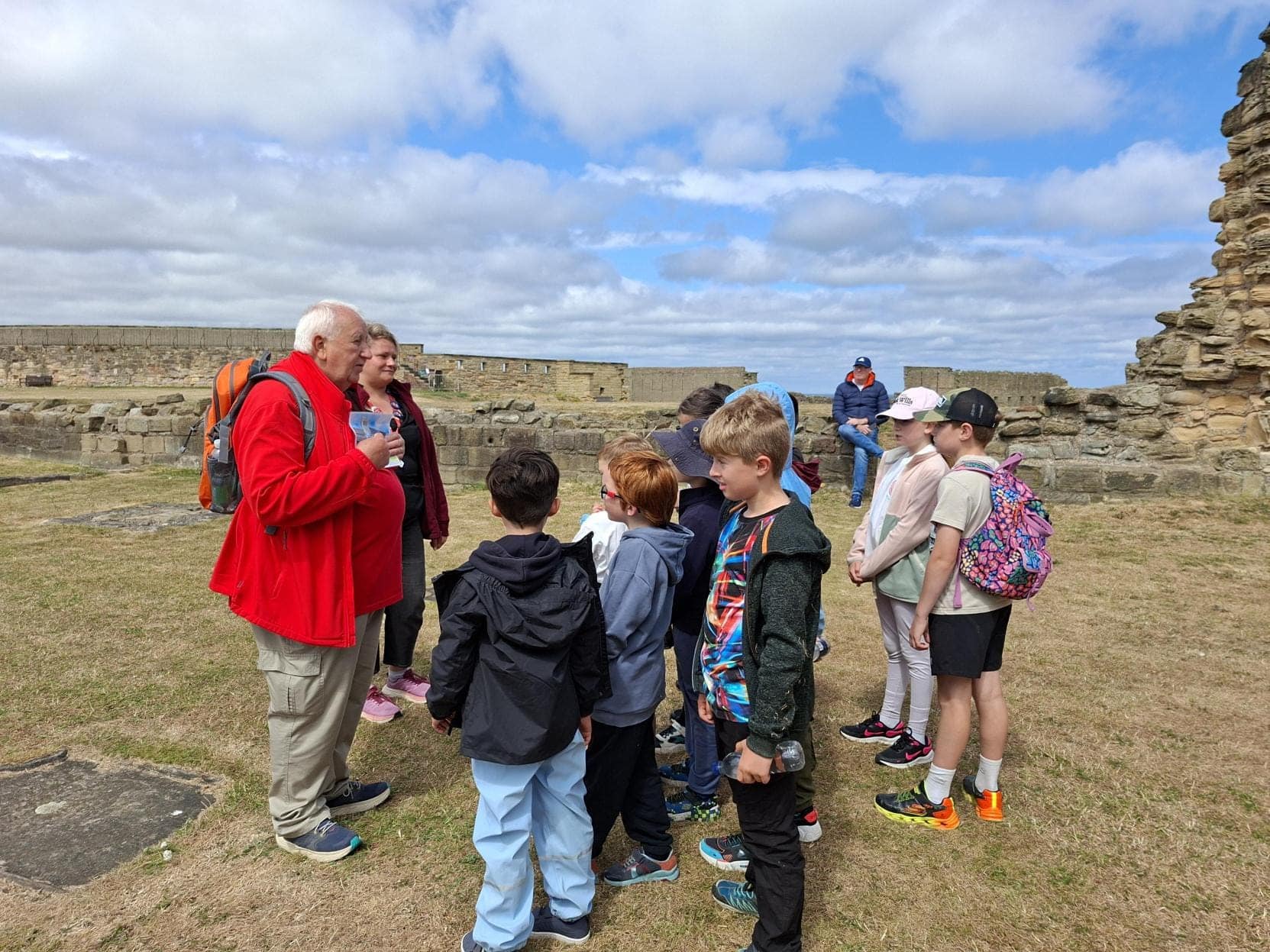
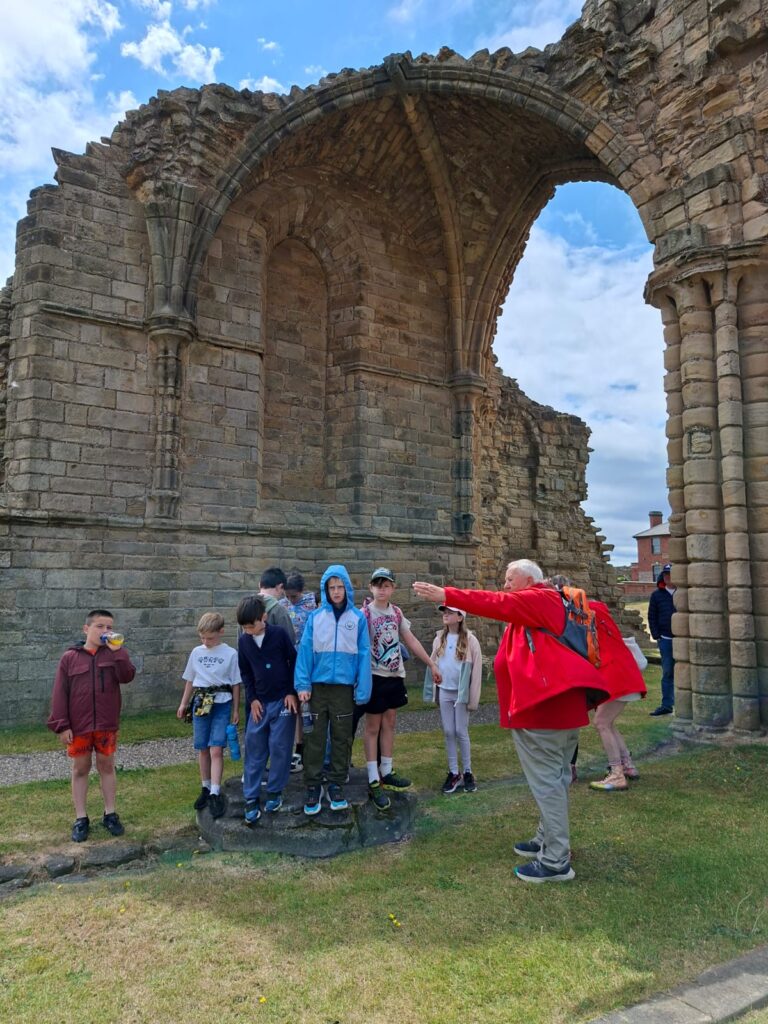
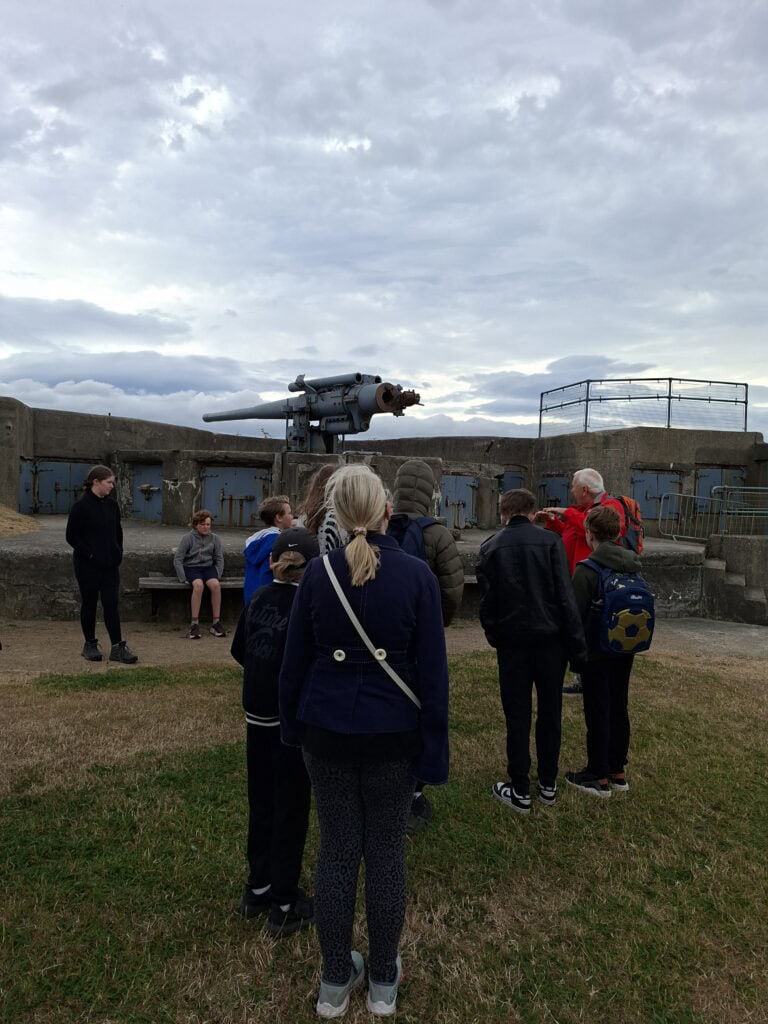
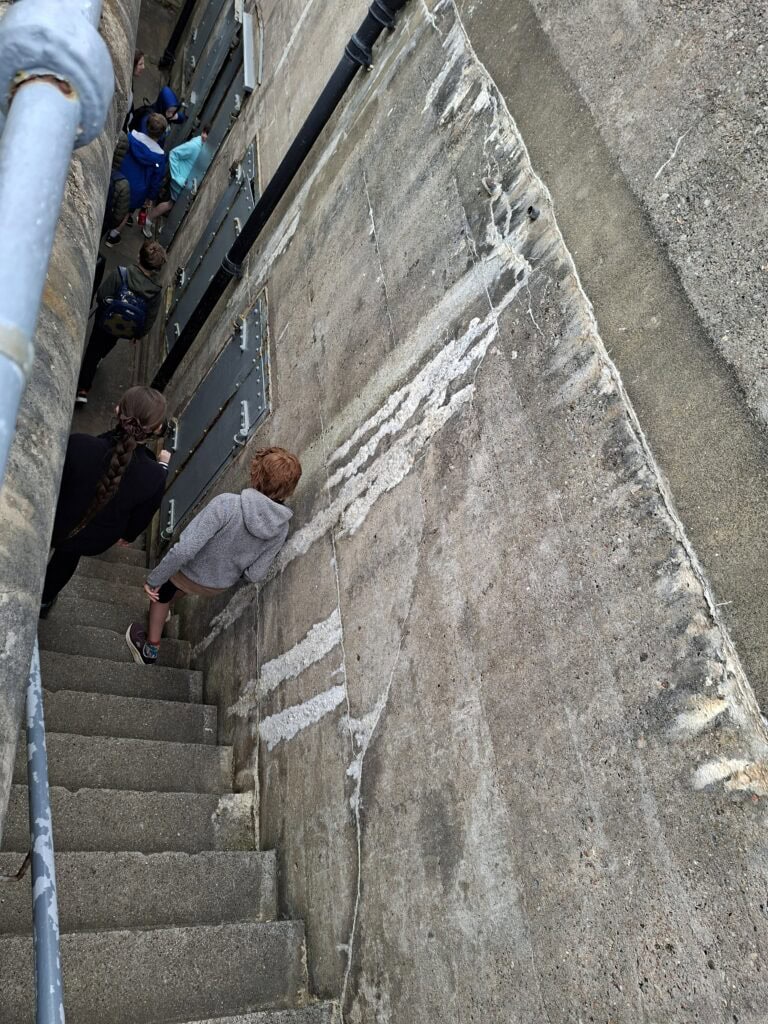
The brilliant English Heritage volunteers from Tynemouth Priory and Castle led guided tours of the site, explaining about its history from the Iron Age when the area’s naturally fortified position made a good spot for a settlement, all the way to the 20th century when gun batteries were used to defend the coast in both world wars. It was a very windy day for walking around a large historic site but participants did get to enjoy some temporary shelter by exploring the concrete underground ammunition stores!
Experimental Archaeology with Nettles!
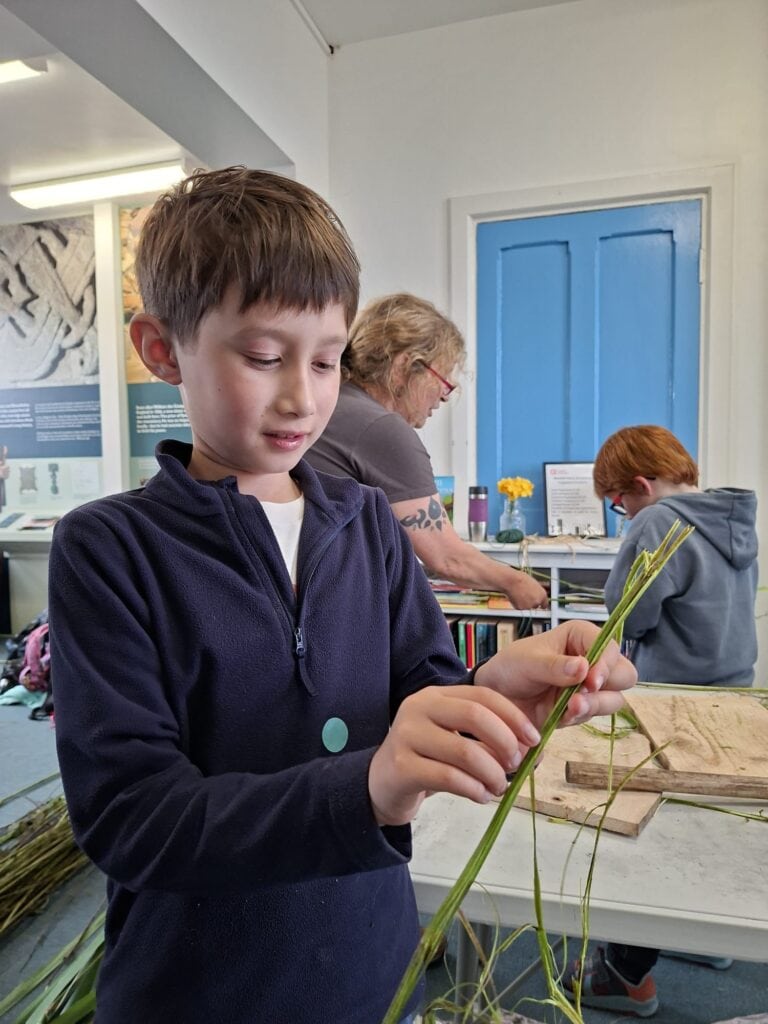
Our third activity gave young people the chance to get hands-on and try out some experimental archaeology! Our expert instructor Paula Constantine ran a workshop on medieval textiles but not with the wool or linen that we usually think of when it comes to the Middle Ages… Instead we had a go at making textiles from nettles! Paula explained how nettles would be stripped of their leaves, soaked, scraped down and their inner fibres spun into strong yarn that could be woven into long-lasting and surprisingly soft fabric.
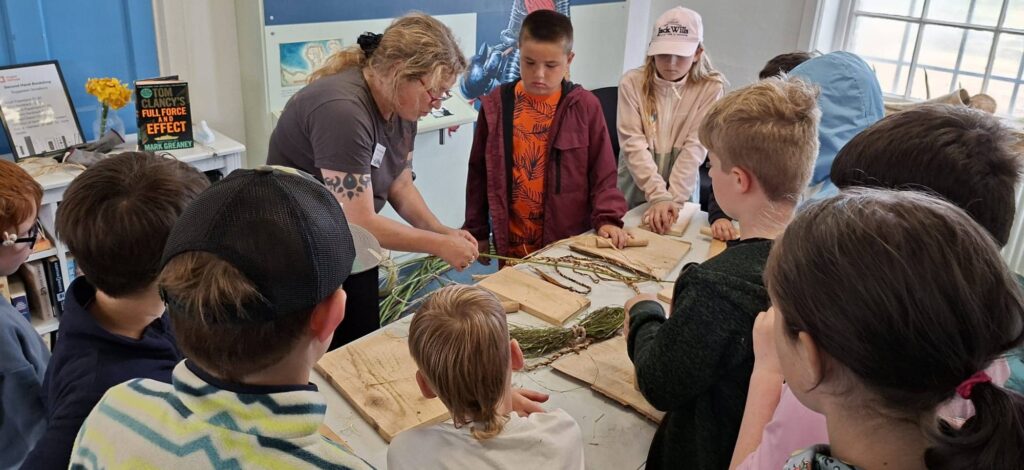
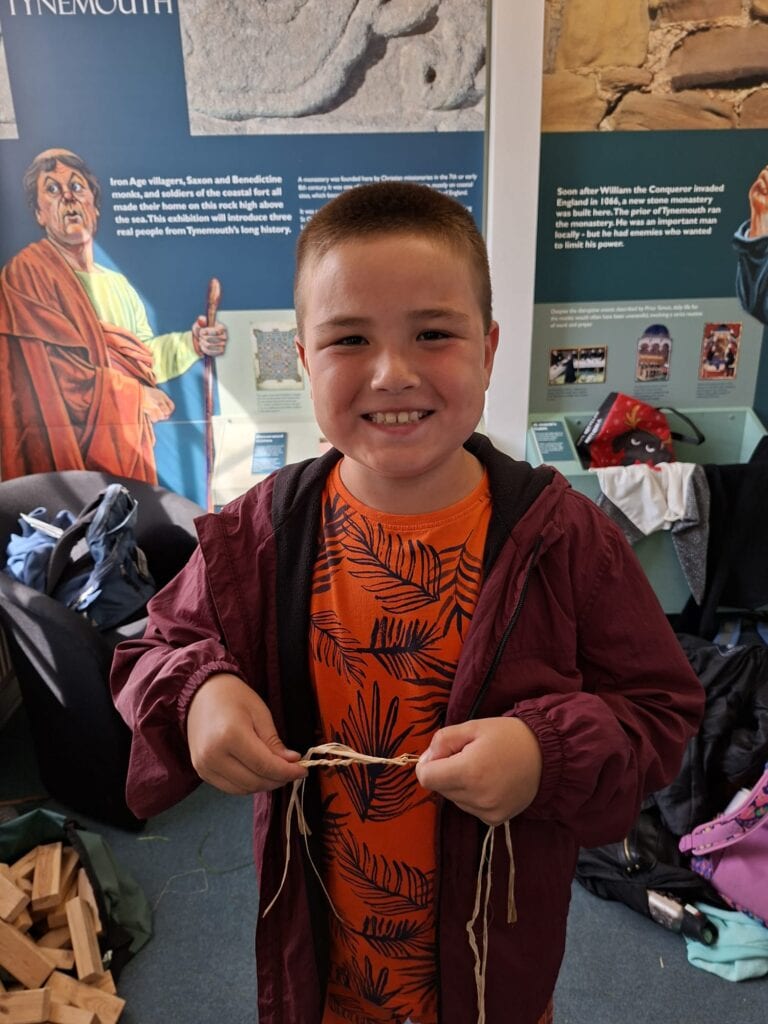
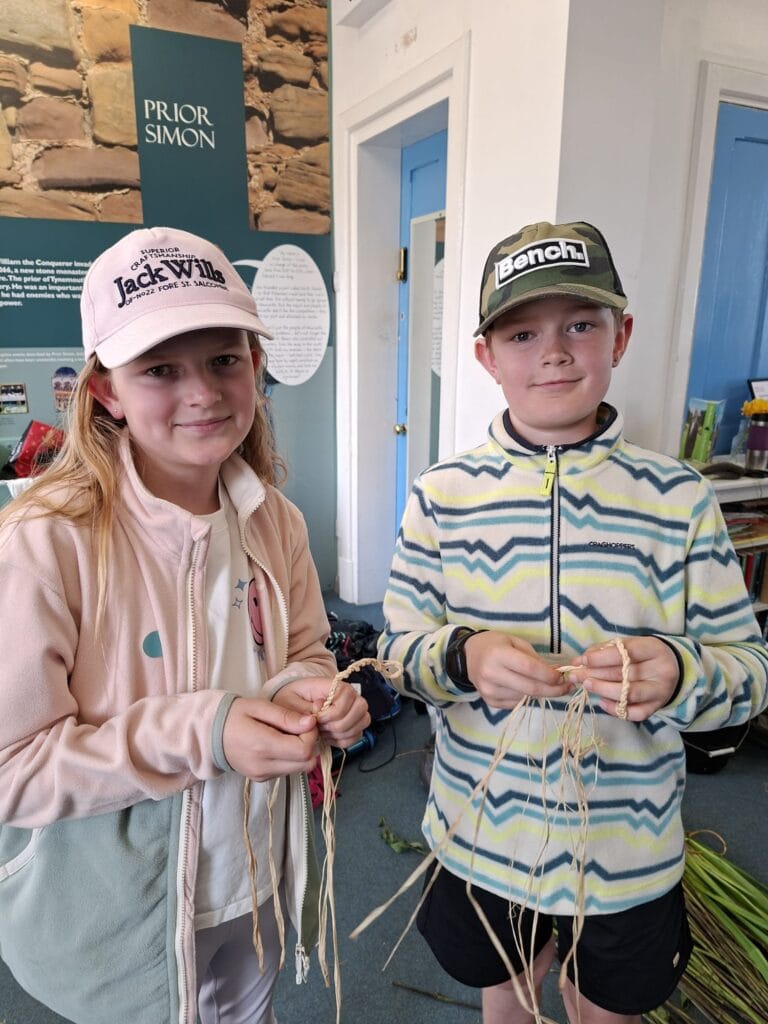
Our young participants took part in some of the tasks involved in this process – stripping down stems and twisting the fibres into cordage. It was a bit fiddly at first but we persevered and finished with some short lengths of cord that some young people chose to wear as friendship bracelets. This activity helped us to appreciate the time and hard work that went into making clothes in the medieval period and the importance of natural resources in providing everyday essential materials.
Overall, our Festival of Archaeology Youth Event at Tynemouth was a brilliant success, made possible by the hard work and planning of the CBA’s Youth Advisory Board and the Learning team and Young Producers at English Heritage.