How to fund a community archaeology project: lessons from the Farm Green Dig
June 2026
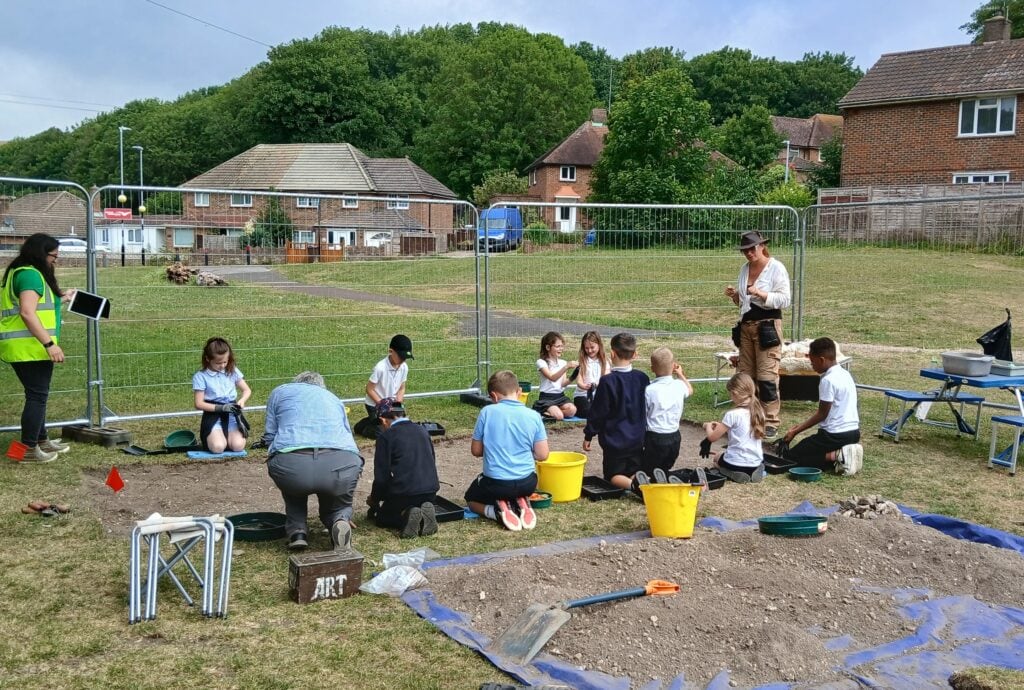
In summer 2025 Brighton YAC were been involved in an exciting project at Bevendean Farm. The project was orchestrated by branch leaders Flick and Gemma of Archaeodiscovery with support from the National Trust’s Changing Chalk Community Grants Scheme, and funded by The National Lottery Heritage Fund. You can read more about the dig here but in this blog post Flick shares some practical advice on funding a community archaeology project.
Securing funding for an archaeological project can feel daunting, especially when you’re starting out. But community archaeology projects like the Farm Green Dig in Bevendean, show that funding is achievable if you approach it step by step and make the most of what’s already around you.
Here are five things I’ve learned about funding archaeological projects that might help you take your first step:
1. Start Small and Build Confidence
It’s tempting to go straight for the big funding pots but in reality, you can’t walk before you crawl.
Start by keeping an eye out for smaller opportunities:
- Local trusts and councils
- Heritage organisations
- Posts shared on social media
Apply for grants in the hundreds rather than thousands to begin with. It might not feel glamorous, but it’s where you learn:
- How applications work
- What funders are looking for
- How to manage a budget (which is a huge skill in itself)
- Helping your members become familiar with co-creating projects
Before delivering Farm Green at Brighton YAC, we had already secured a range of smaller grants, including COVID Recovery funding, CBA regional Youth Action funds, National Park grants, and YAC HQ opportunities such as the Ordinary to Extraordinary project. We had also supported others to develop and deliver their own funded projects (see next lesson).
Farm Green was our largest funding bid to date. The strength of the project came from careful development over time and not jumping straight into something overly ambitious.
Be brave- but take it one step at a time.
2. Use Your Network
One of your biggest assets is something you already have: your network.
Through YAC, volunteering, and archaeology projects, you’ve likely met:
- Archaeologists
- Local societies
- Community contacts and educators
Use them.
Pick up the phone. Send an email. Ask:
- How could this project benefit their group or members?
- Would they support or collaborate?
- Can they offer advice, resources, or even a letter of support?
And remember- this works both ways. Strong networks are built on relationships:
- Support other people’s work
- Share their projects
- Be generous with your time
When we delivered Farm Green, the relationships we’d built over the years were absolutely key. Strong partnerships don’t happen by accident, they take effort, humility, and hard work. Be generous with your time, respect others, keep going when it’s hard.
You’re only as strong as the people around you and that’s the biggest lesson of all.
No real success happens alone- it’s built together.
3. Use Your YAC Training
It’s easy to forget just how much you already know through YAC.
Training in:
- Safeguarding
- Health and safety
- Evaluation
- Running sessions
…is exactly what funders want to see. Make the most of YAC resources and YAC training opportunities!
Funders want to know that you can deliver a safe, meaningful, and well-managed project. YAC training helps you demonstrate exactly that.
Don’t underestimate how valuable your YAC experience is-it genuinely sets you apart.
4. Focus on People, Not Just Archaeology
This is a big one.
Funders aren’t just interested in what you’re digging/doing- they care about who you’re engaging and what difference it makes.
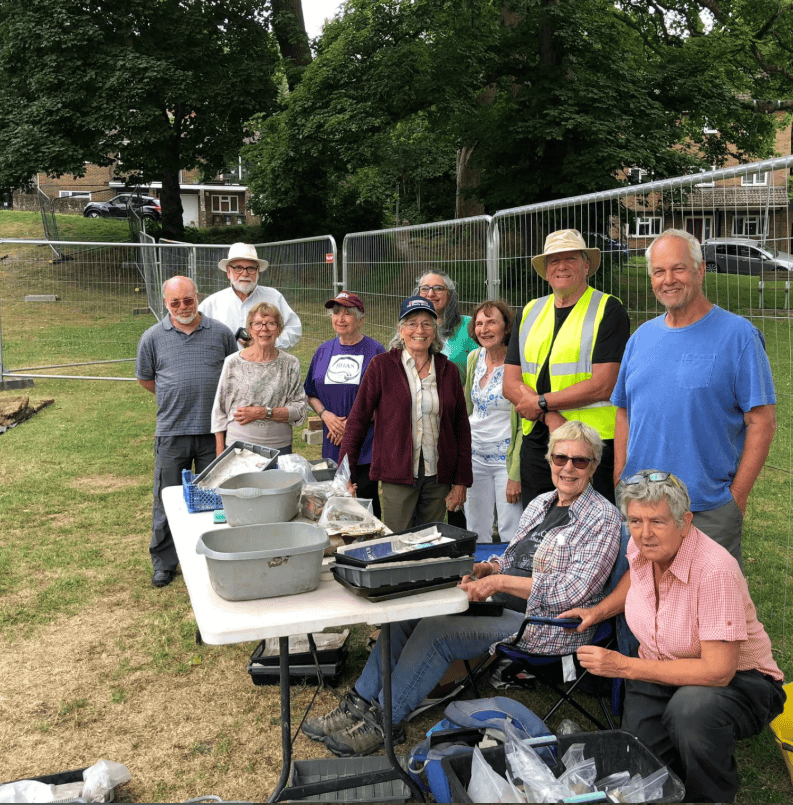
The success of Farm Green came from putting people at the centre:
- Families
- Young people
- Local residents
- First-time participants
When you’re writing your application, think about:
- Who will be involved?
- What will they gain?
- How will it benefit them?
- How will you measure this?
What made Farm Green particularly powerful was its impact beyond the archaeology. Bringing together over 700 people, it delivered real benefits in skills, wellbeing, and community connection. Archaeology was the vehicle but people were the priority.
You can explore how this was measured in the full impact study here.
When writing a funding application, don’t just describe the site describe who will benefit and how. The archaeology matters but it’s the difference it makes to people that secures funding.
Make people the heart of your project.
5. Think About What Lasts
A really strong project doesn’t end when the digging stops.
At Farm Green, the legacy not only included the formal archaeological report but also:
- A youth-created digital guide
- A documentary film
- Stronger community connections and partnerships- built on trust and shared experience, that we continue to nurture for the future.
All these things mean the project carries on- reaching people, even those who never even visited the site.
When planning your project, ask yourself:
- What will exist afterwards?
- What will people remember or take away?
Funders love legacy (and rightly so) build it in from the start.
Final Thoughts
Funding can feel intimidating at first but it becomes much more manageable when you break it down.
Start small. Use the people around you. Trust your skills. And focus on creating something meaningful.