Cirencester YAC
Cirencester YAC is open to everyone aged 8–16 years. YAC clubs get involved in all sorts of activities, including visiting and investigating archaeological sites and historic places, trying out traditional crafts, taking part in excavations, and lots more.
Cirencester YAC is based at Corinium Museum. The club usually meets once a month. It is an affiliated club of the YAC network, and is YAC is run by Corinium Museum staff and volunteers.
If you’d like to get involved with Cirencester YAC, or find out more about how the club is run, get in touch with the team using the details below:
Contact: Michaela Lennox
Tel: 01285 655611
Email: michaela.lennox@freedom-leisure.co.uk
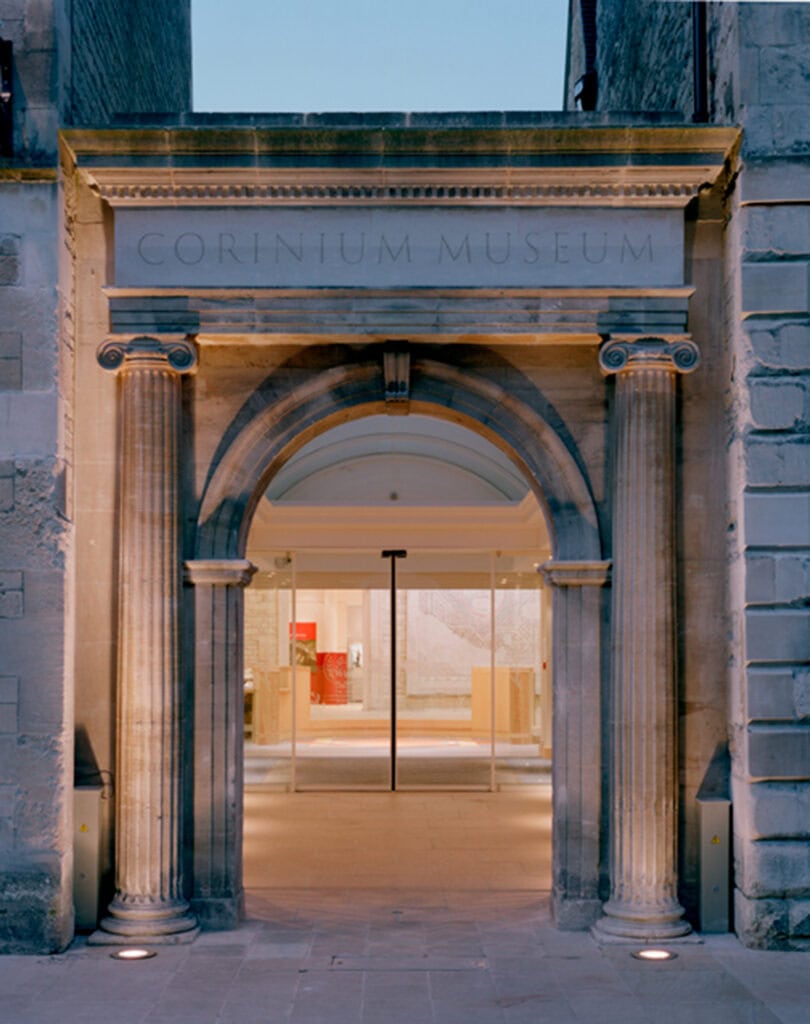
Corinium Museum, the home of Cirencester YAC.

Cirencester YAC is grateful for support from the Friends of Corinium Museum.
News from Cirencester YAC
July 2026 – Nature in Archaeology
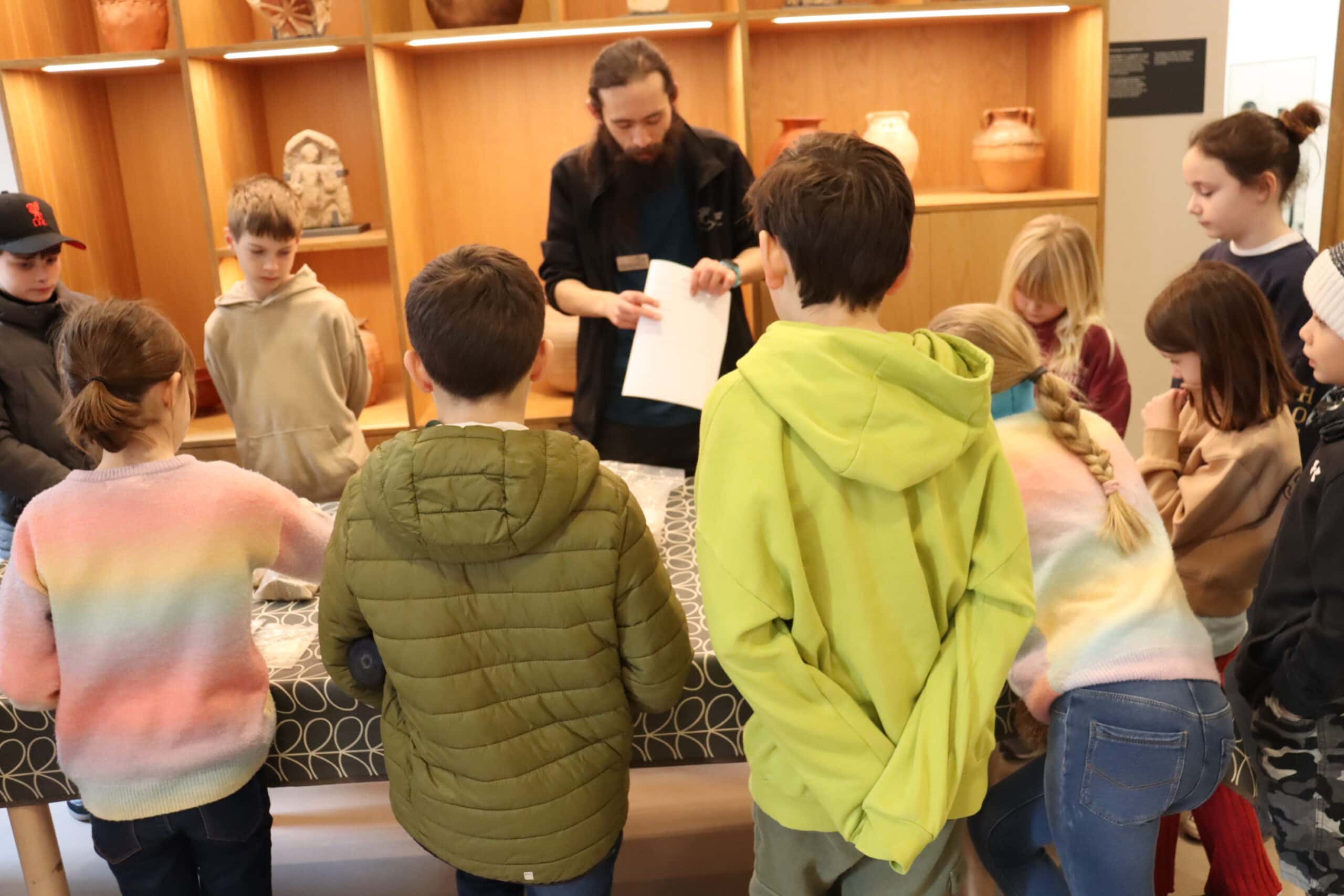
Our session this month was on the first day of the Festival of Archaeology. The theme this year was “Nature in Archaeology” and it was a good opportunity to look at some objects in store to do with this theme.
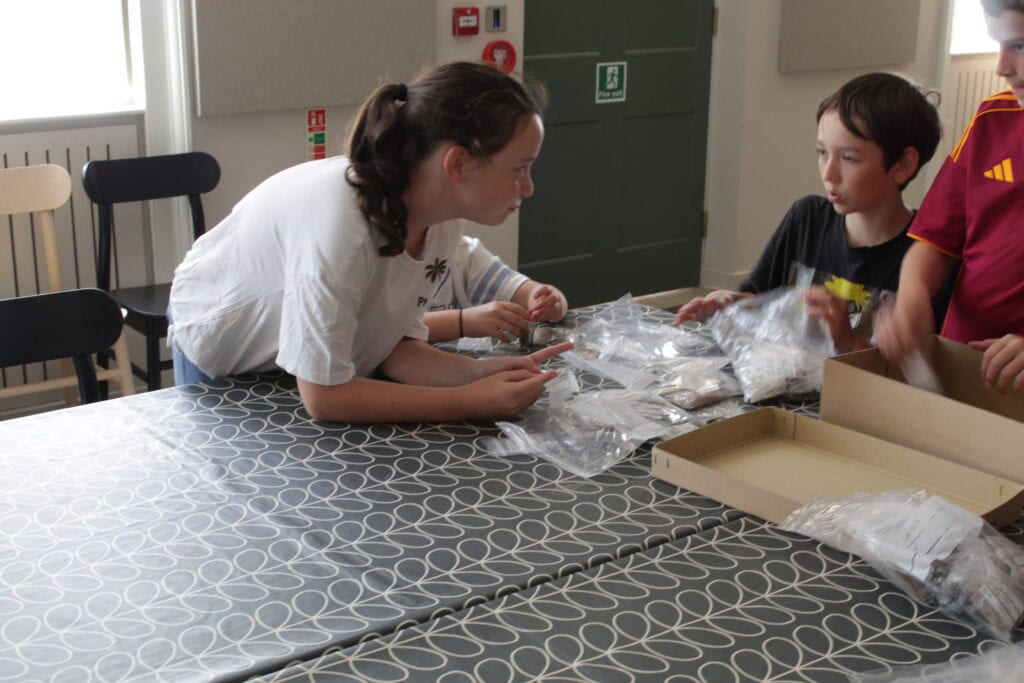
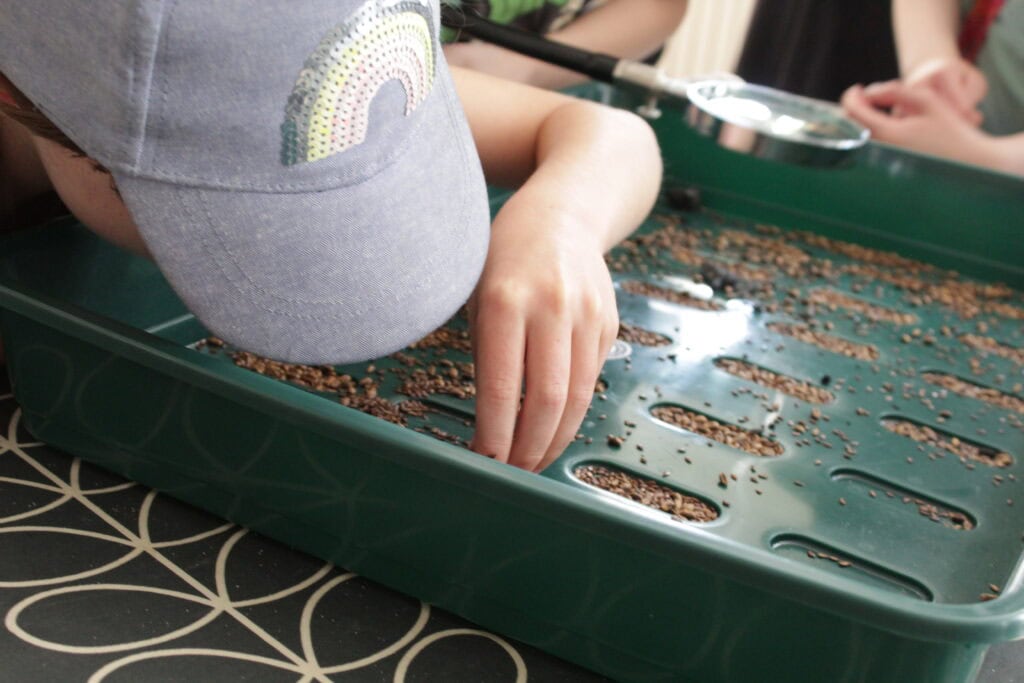
We started off looking at seeds and flot. We explained what flot was and how archaeologists can use it to learn more about how the world looked back in the past. First we looked at some flot from a local site and had a go at identifying all the different things that can come from a floatation tank. We then looked at some seeds that he had charred and had a go at separating them out and identifying the different seeds we had mixed all together.
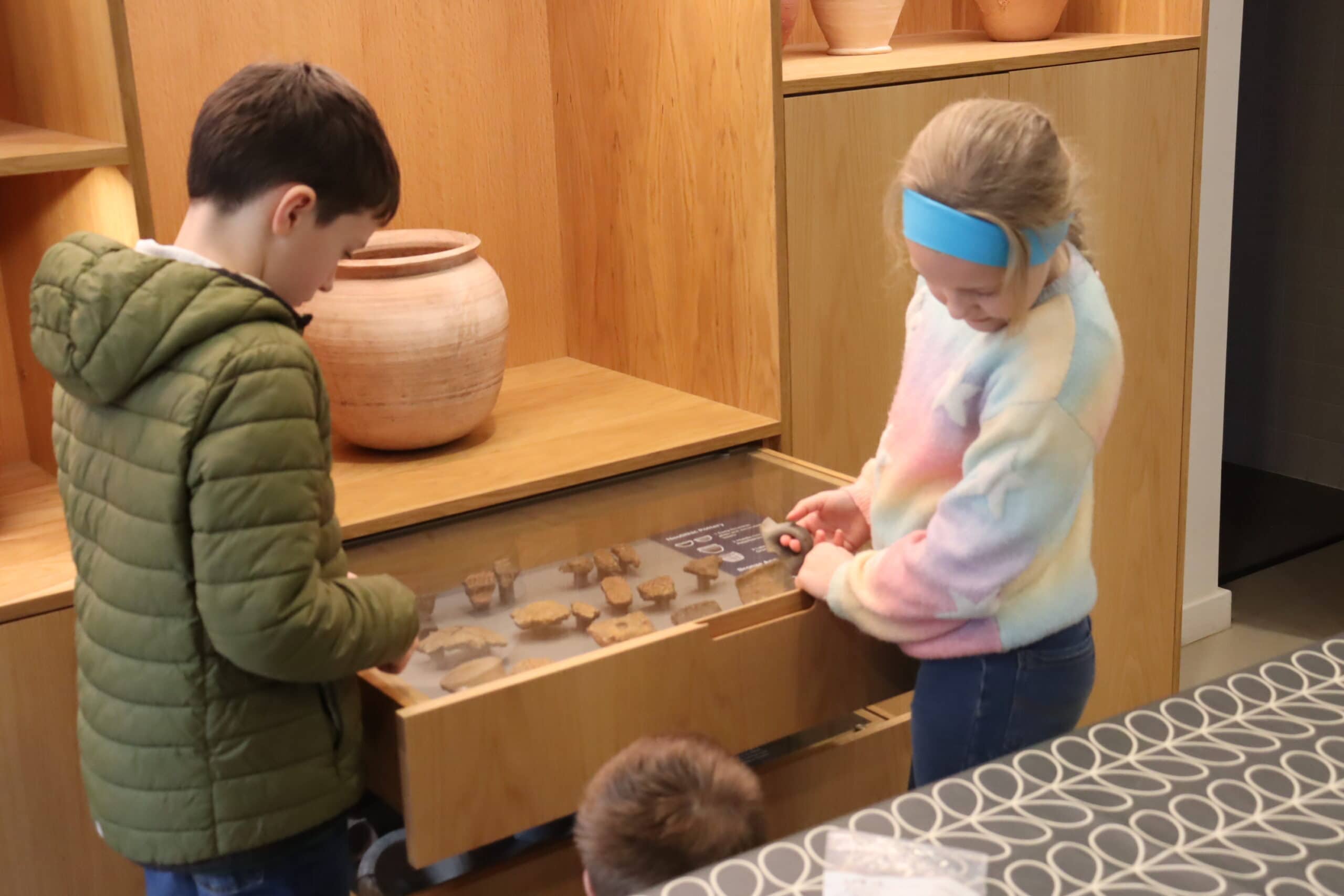
Next we had a think about all the different ways in which animal bones, and animal remains like teeth and shells, can survive and be found in archaeology. We discussed which the most common and also most exotic animals we have in the collection were. We then had a look at some animal bones from Cirencester which were found on a Roman farm which appeared to be a worked bone factory for the town for things like hairpins. We had a look at a box which had clean cut marks on all the bones showing how they were prepared, and all the fragments left over from whittling. Lastly we had a look at a box of hair pins and two bone combs to get an idea for what sort of things the animal bone was being turned into.
It was a good foray into learning about how much we can learn about nature, and what might be similar or different between the past and now.
Next time, finishing the Festival of Archaeology with a visit to an Iron Age hillfort!