Chemicals and Hazardous Materials
We use chemicals all the time, whether that’s washing up liquid, poster paint, PVA glue, disinfectant cleaning spray, etc.
These products are safe to use, unless used or stored incorrectly.
There may also be times where you might use, handle, or come across more hazardous chemicals and materials. This might be uncovering asbestos on an archaeological excavation or within artefacts. If you are planning an activity where this might happen, such as an archaeological excavation, then please contact YAC HQ for further guidance.
The following provides basic guidance for the common use of chemicals.
- Read the label and follow the instructions, this includes understanding the hazard pictograms.
- Choose items that are suitable for the job and the age and ability that you are working with. Many arts and crafts products will have a ‘suitable for ages .. and above’ notice on the label.
- Use protective clothing if required (e.g. gloves, aprons).
- Only mix chemicals where it is a clear requirement for the activity e.g. science experiments, cyanotype, dyeing, and where clear instructions and guidance have been provided. Never mix cleaning materials or other chemicals, as mixing chemicals can kill.
- Store all chemicals safely and, where applicable, out of reach of children e.g. cleaning chemicals.
- Never put chemicals into unmarked containers or that have other uses, e.g. eating or drinking.
- Be sure that you know how to deal with spills (including first aid treatment) and the correct disposal of the chemical.
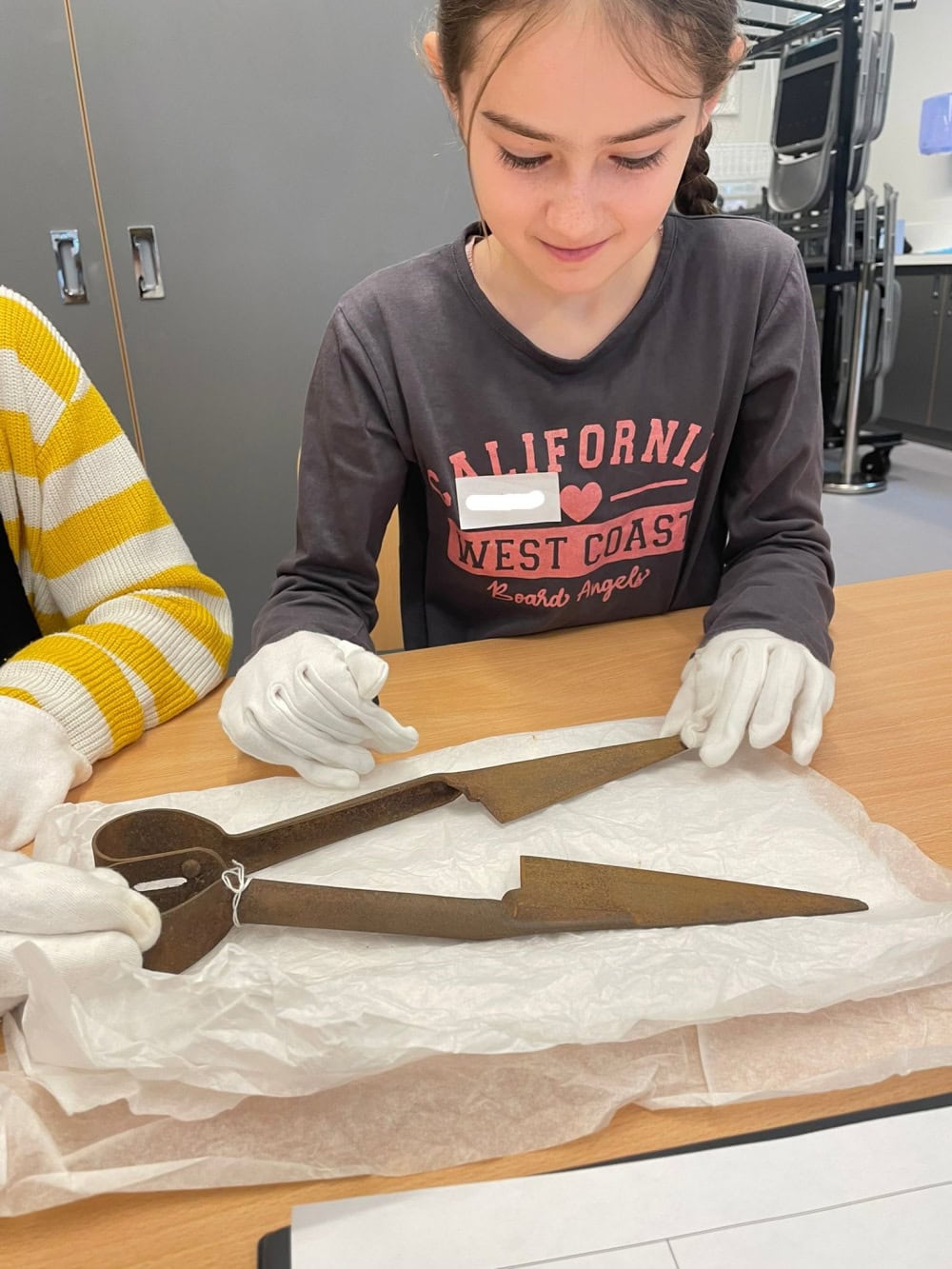
- Be aware of more hazardous materials that might be found on an archaeological excavation or in a historic artefact and seek support from the partners you are working with.
- Always follow the safety rules and develop safe working practices at your sessions.
- Report anything wrong to the YAC Leader.
Where to get information
- Always check the labels.
- Do an internet search for, read, and download the relevant ‘Safety Data Sheet’ which provides additional information about the chemicals being used and any first aid requirements.
- Ask YAC HQ or an activity partner.
Training Resources:
The following MS PowerPoint training module has been designed to help you consider different aspects when using chemicals and hazardous materials and ensures that each volunteer has basic awareness training.