Cornwall YAC
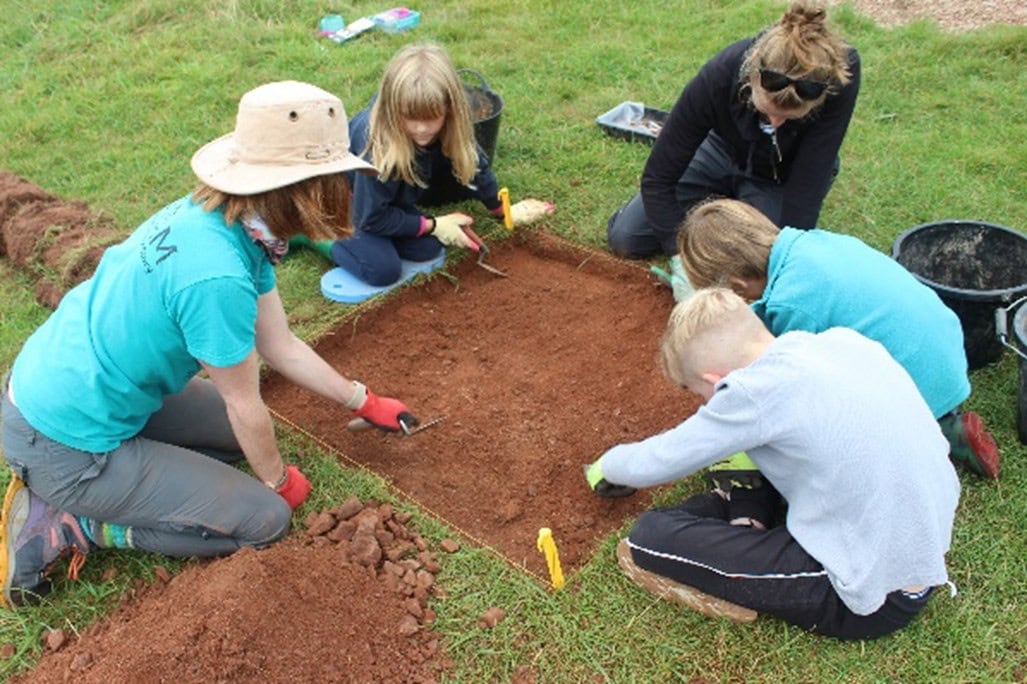
Cornwall YAC is open to everyone aged 8–16 years. YAC clubs get involved in all sorts of activities, including visiting and investigating archaeological sites and historic places, trying out traditional crafts, taking part in excavations, and lots more.
Cornwall YAC meets once a month and is based at the Museum of Cornish Life in Helston during the winter months, but meets various venues for archaeological activities throughout the year.
Contact: Tanya Malone and Iain Rowe
Tel: 07514 723422
A team of volunteers runs the club. If you want to know more about how we recruit YAC volunteers and make sure children at YAC clubs are well looked after, check out our FAQs. If you’d like to get involved with Cornwall YAC, get in touch with the team using the details above.
2026 events
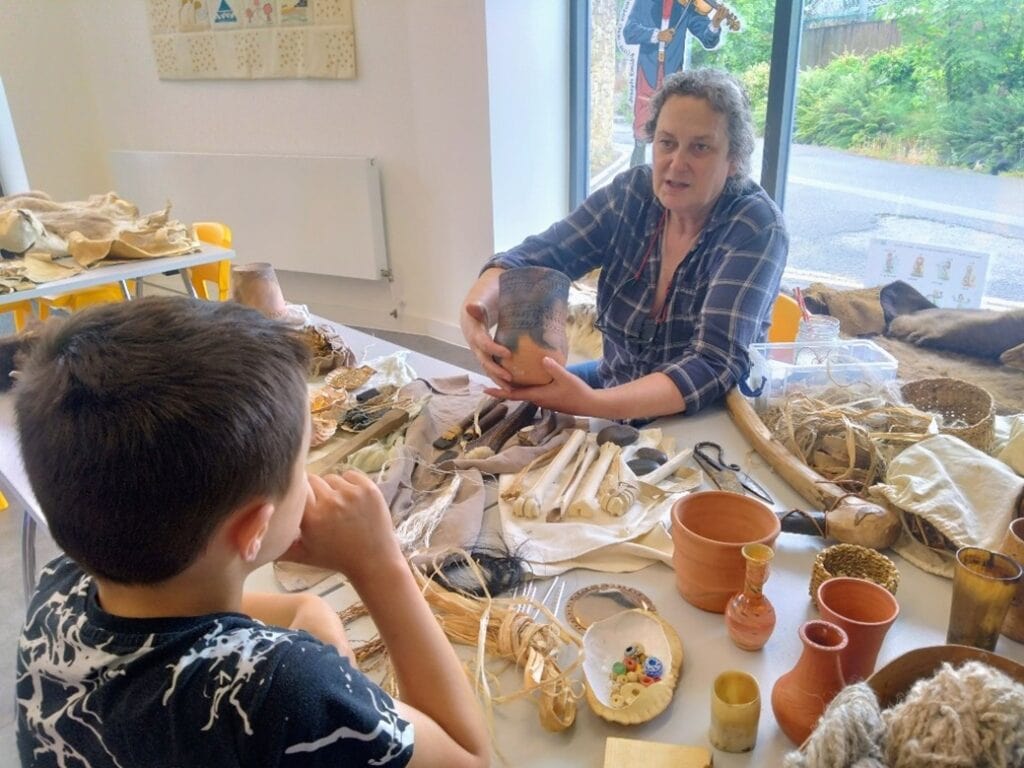
January: Prehistoric Workshop, Tour of Kresen Kernow and Iron Age Drawing
February: Cancelled due to weather
March: King Arthur’s Hall and Emblance Downs Stone Circle walk, talk and tidy
April: Layers of Learning at Northwood Farm, Test pits
May: Pickaxes and Pixels, 2 day event
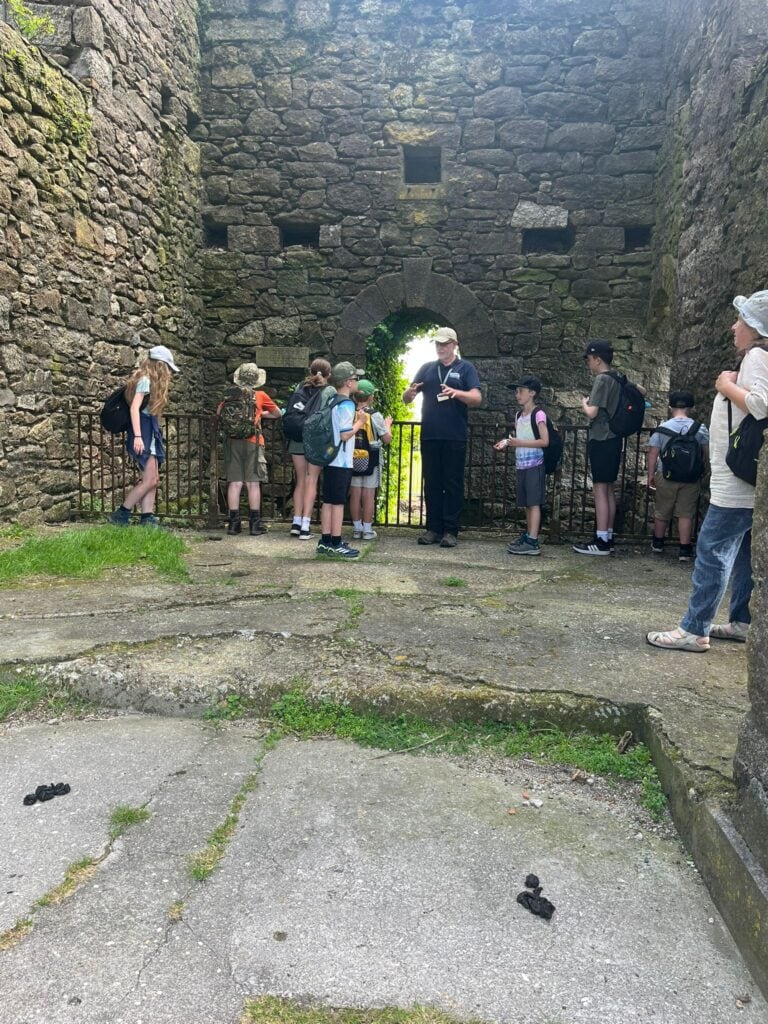
June: Visit Chysauster Ancient Village
July: Festival of Archaeology Test pit event at Boden
August: The Limes test pits
September: Visit to St Mawes Castle
October: Visit to Wheal Martyn
November: Learn about Manorial Maps at Kresen Kernow
December: Bayeux Tapestry and art workshop
The latest news from Cornwall YAC
Pickaxes and Pixels
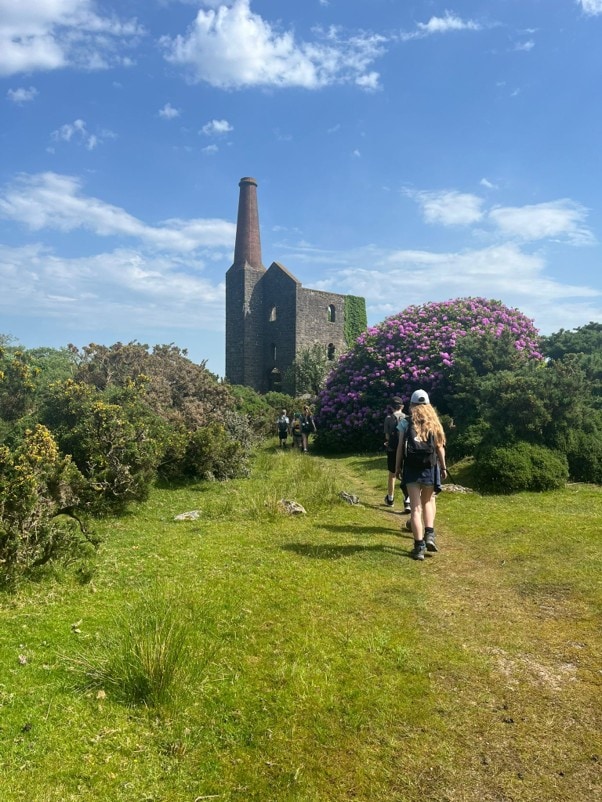
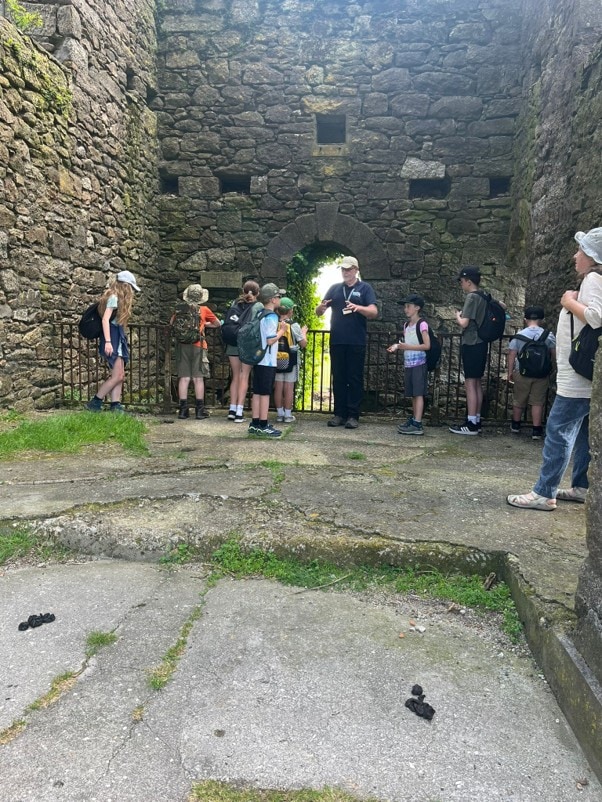
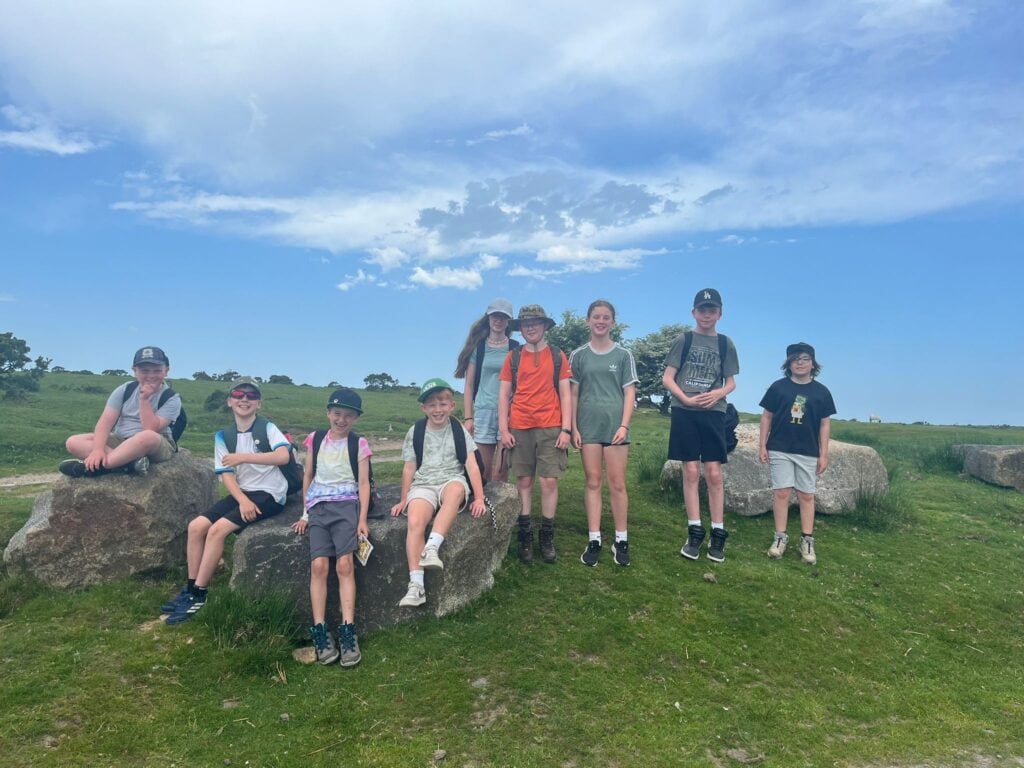
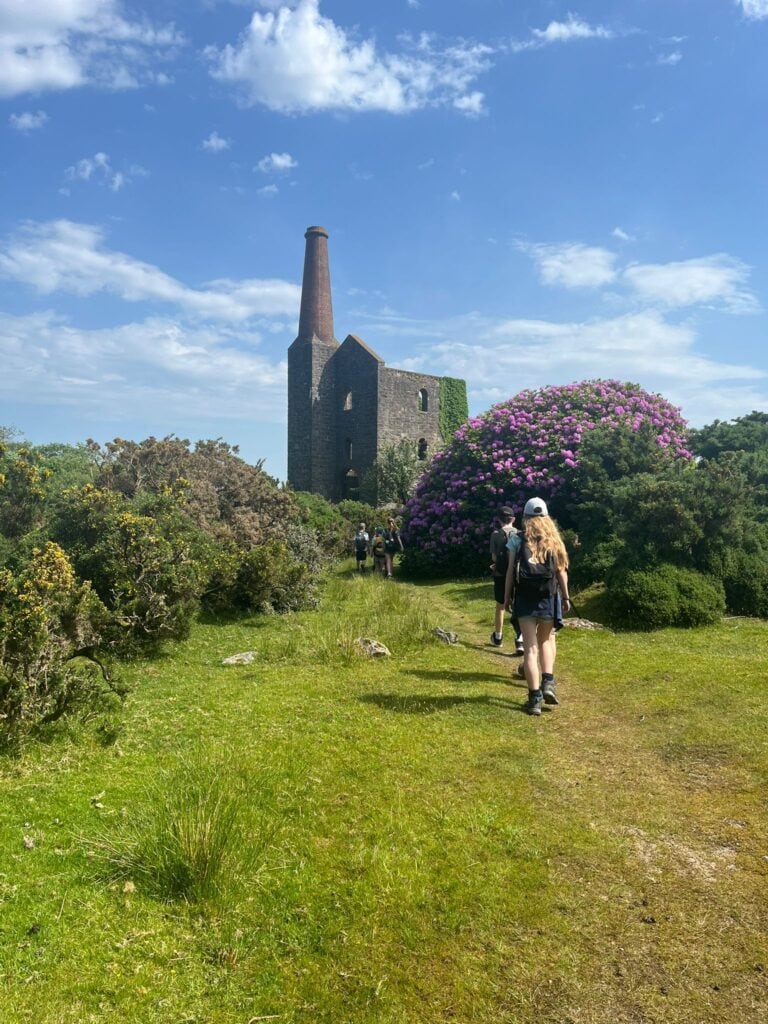
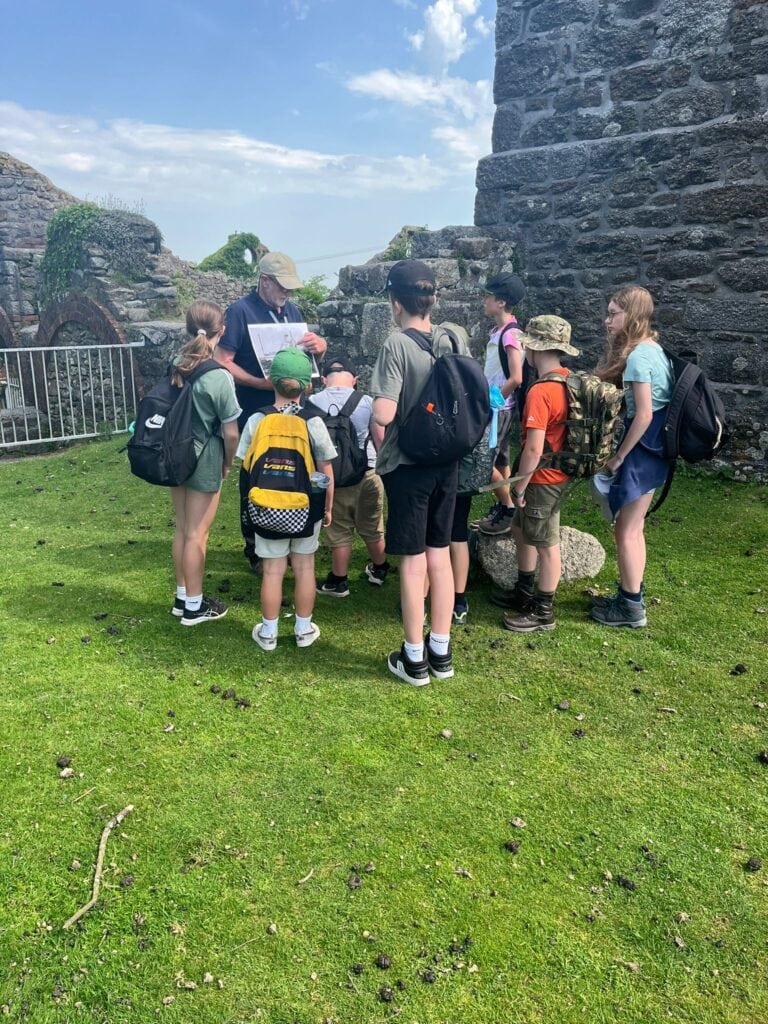
Cornwall Young Archaeologists’ Club recently visited part of the historic mining landscape around Liskeard. Although much of the area is now ruinous, the group explored Phoenix United Mine, whose surviving structures gave the Young Archaeologists a real sense of the scale and importance of these mining buildings in their industrial heyday.
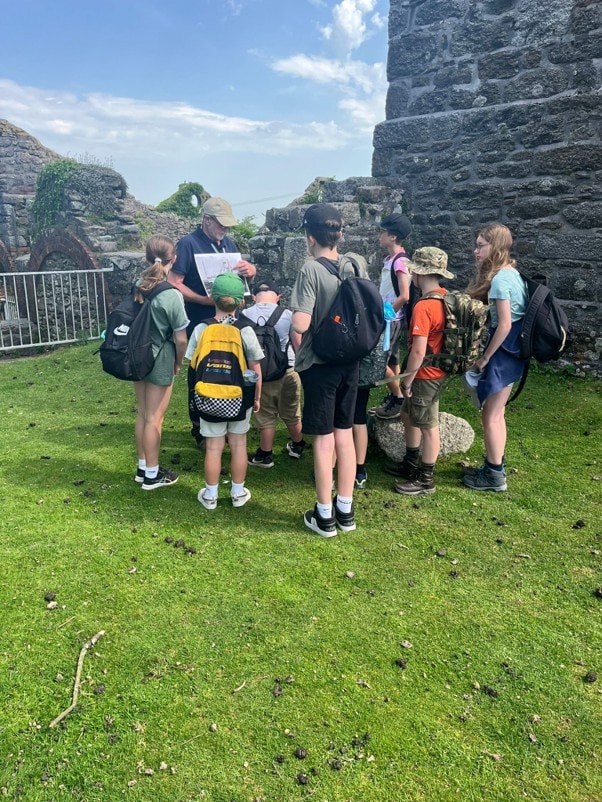
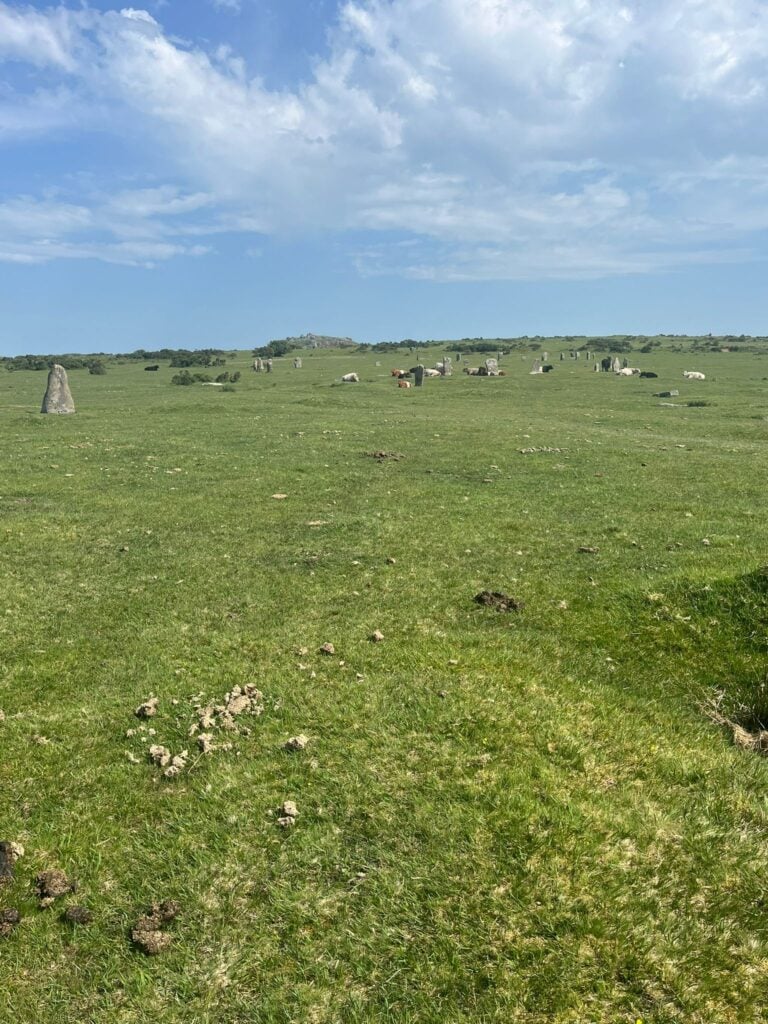
During the visit, the group examined the wider landscape and discussed the archaeology that remains today: which included the Hurlers (3 neolithic/bronze age stone circles), the former railway track that once transported coal to the site in exchange for tin and copper, scattered stone walls, and areas of crushed spoil. The Young Archaeologists also carried out a survey of Phoenix United Mine, measuring walls and creating plans that would later be used during the second day of the project.
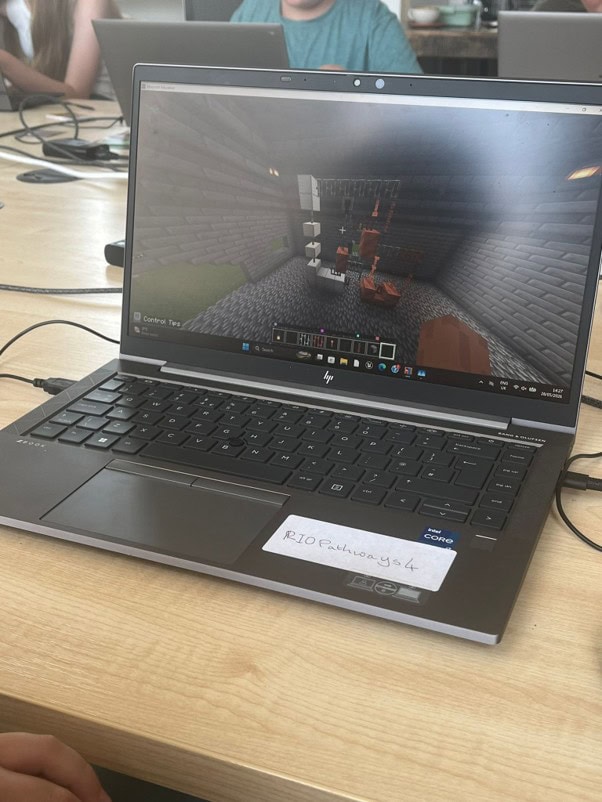
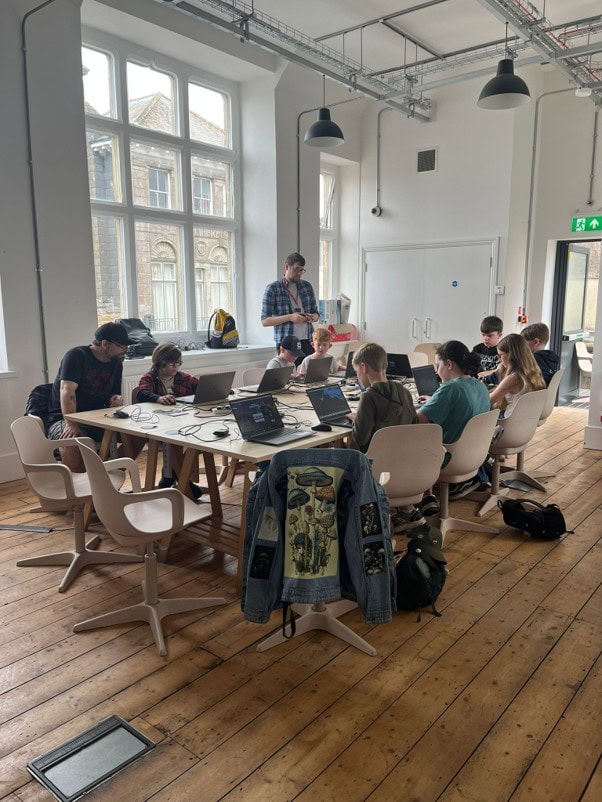
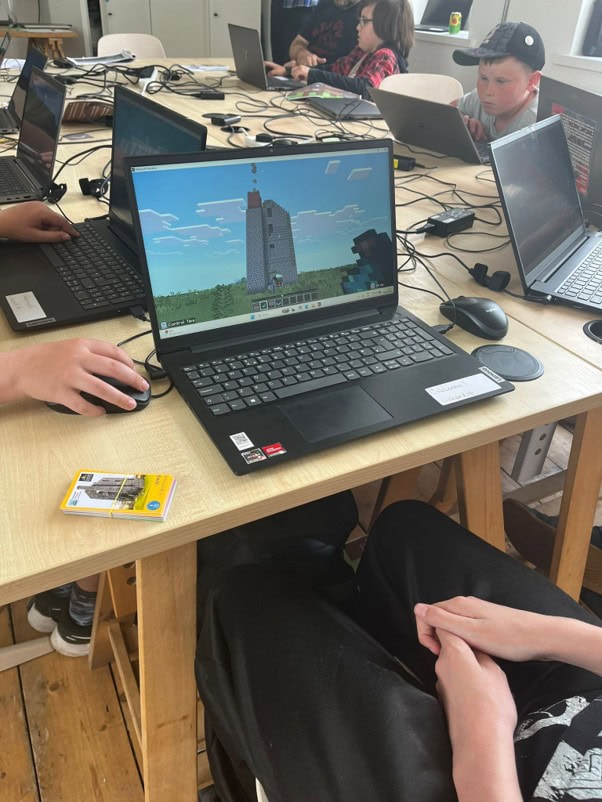
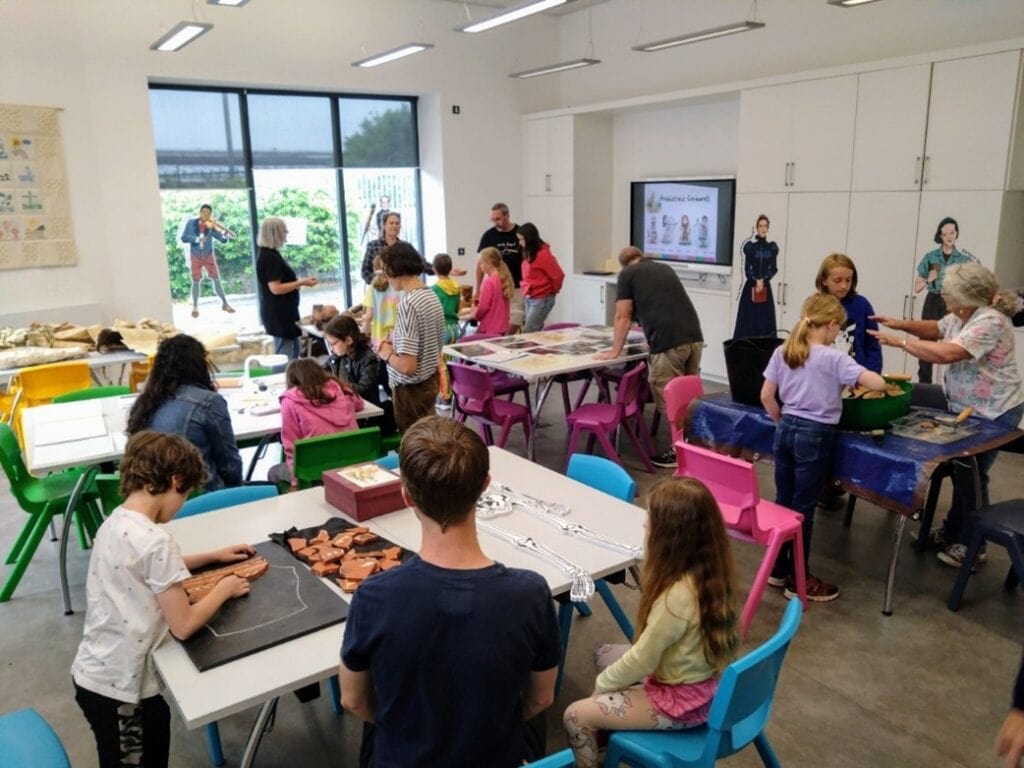
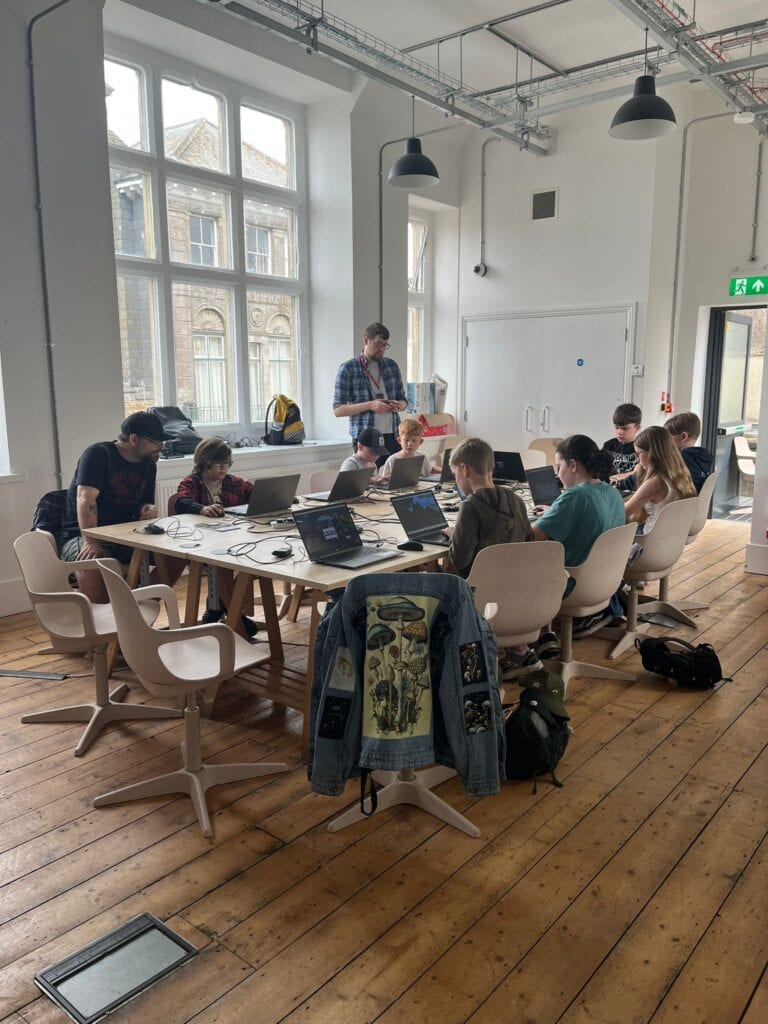
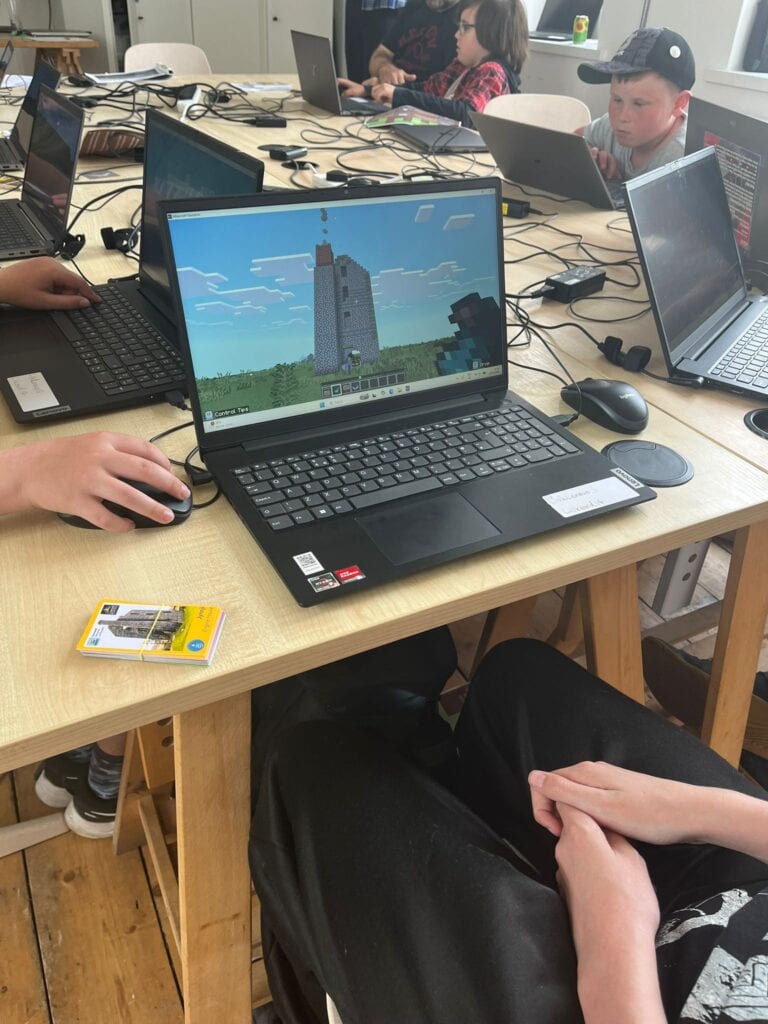
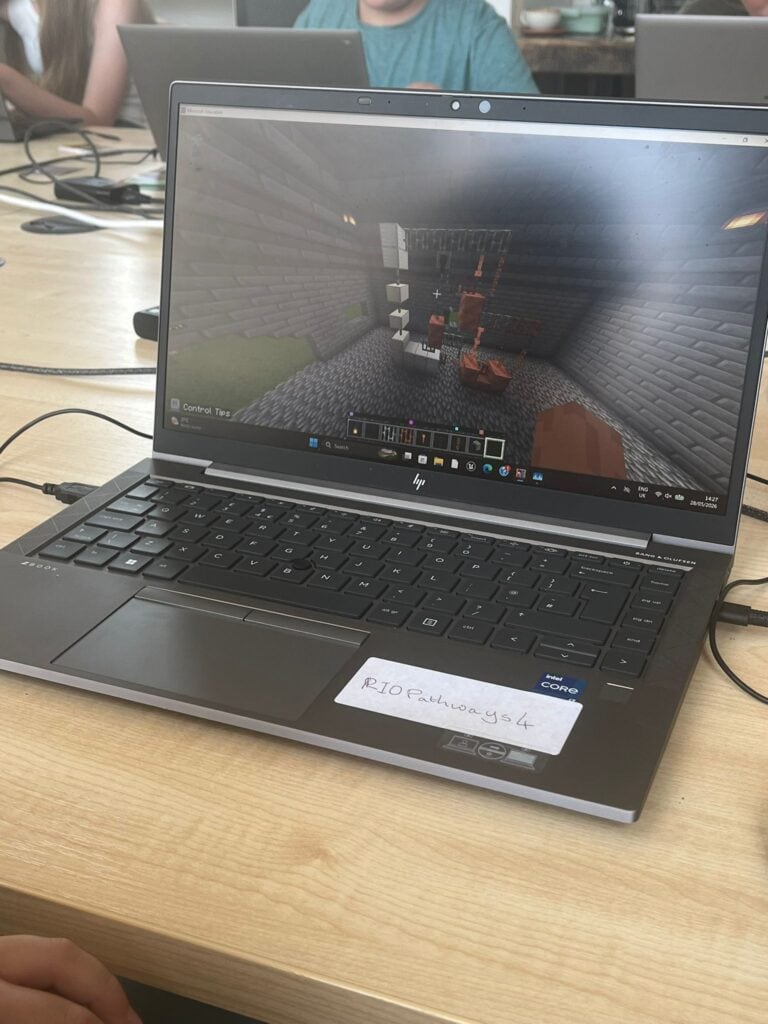
On Day 2, the Young Archaeologists transformed what they had seen in the field into detailed Minecraft builds. Their recreations brought the historic mining landscape to life, complete with engine houses, mines, railways, water wheels, Cornish beam engines, and veins of tin and copper hidden underground. The creativity and enthusiasm shown by the group were outstanding.
The project was a great success and would not have been possible without the support of Iain Rowe from Cornwall National Landscape, Lesley Strong from Cornwall and West Devon Mining Landscape, and Mark Blake and Ed Hart at Liskeard Library. The event was made possible through funding from the National Lottery Heritage Fund and the Natural Beauty and Beast Project.
Exploring the Prehistoric Landscape of Bodmin Moor
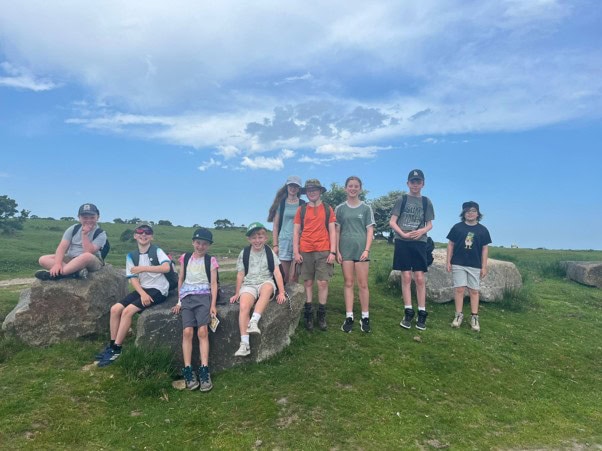
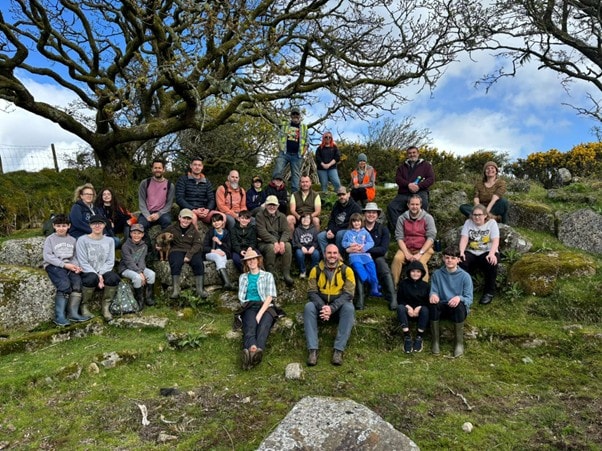
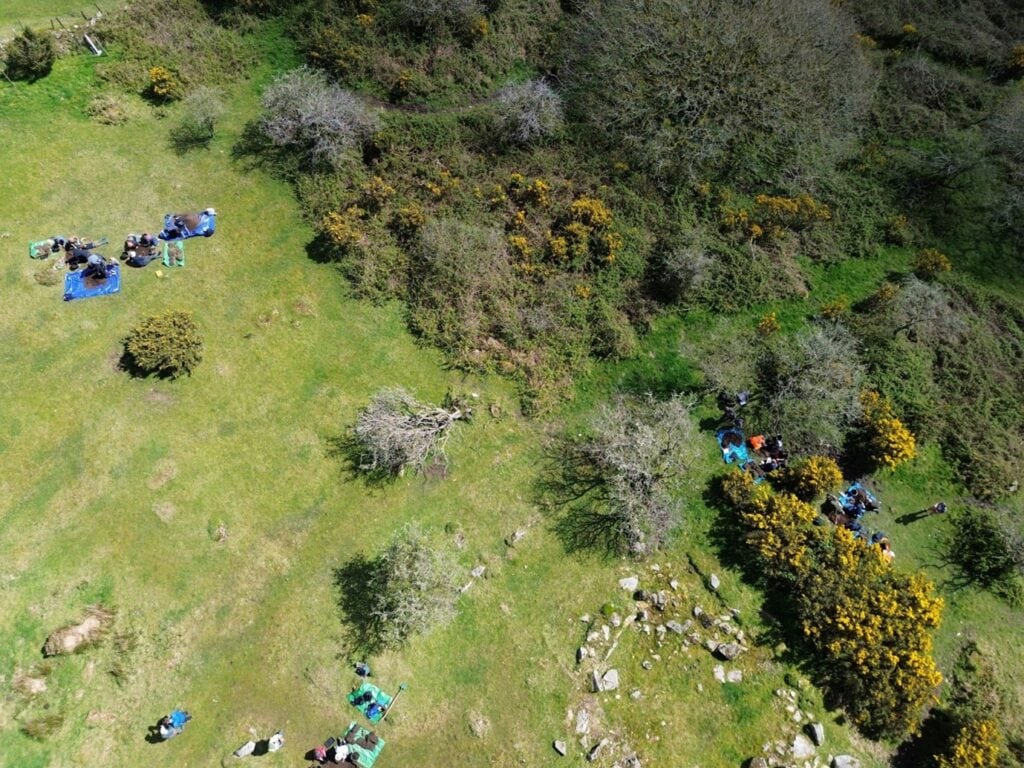
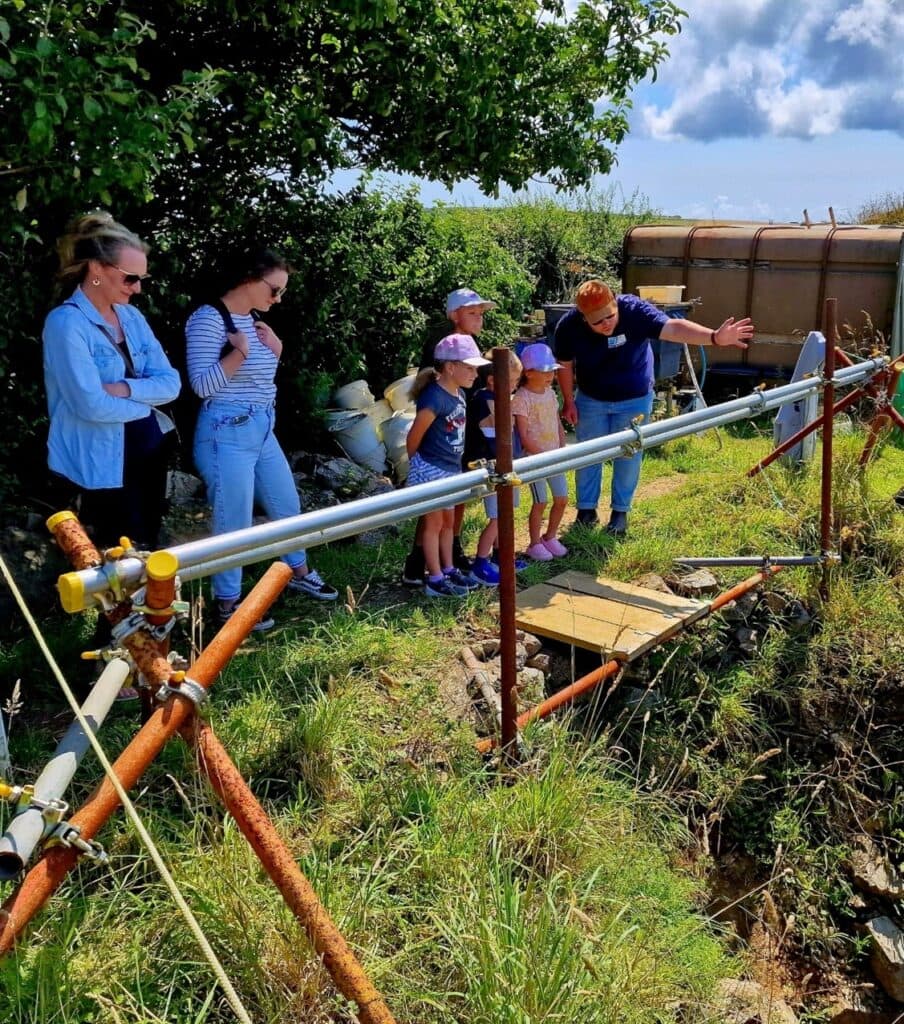
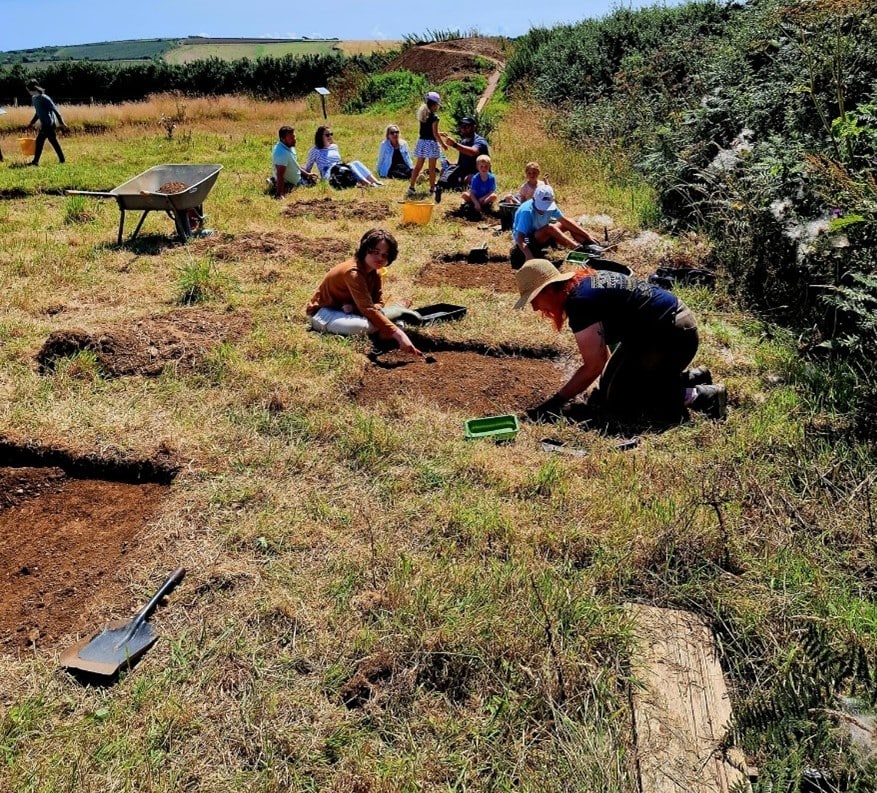
Under glorious sunshine on Saturday, a group of enthusiastic young archaeologists and their families gathered on Bodmin Moor for a fascinating day of discovery, learning, and hands-on heritage exploration.
The event offered participants a unique opportunity to explore the rich archaeological landscape of Bodmin Moor, uncovering stories that span thousands of years – from an initial Bronze Age settlement site through to later medieval activity and historic mining remains.
A special thank you goes to Nick Hart for his generous hospitality throughout the day. From hosting the test-pitting event to providing an engaging talk and guided tour of the site, his expertise and enthusiasm helped bring the landscape’s history vividly to life. Attendees also enjoyed several picturesque lunch spots, complete with stunning panoramic views across the moor.
The day provided an invaluable chance for both children and adults to experience history in situ, learning directly within the historic environment itself. Young participants eagerly took part in archaeological activities, gaining practical insight into how archaeologists investigate and interpret the past.
The organisers also extended heartfelt thanks to all of the facilitators and committee members whose support made the event possible. Beyond sharing their extensive knowledge with the next generation of archaeologists, the gathering also created an opportunity for committee members to meet and collaborate in person around a shared passion for heritage and archaeology.
This event forms part of a wider programme of exciting heritage activities taking place across Cornwall this year, all linked to Bodmin Moor and supported through the ‘Natural Beauty & the Beast’ Project. The project is delivered by Cornwall National Landscape with funding from The National Lottery Heritage Fund, whose support has helped make events like this possible.
Several finds were uncovered during the day, with hopes for many more discoveries in future excavations. Organisers thanked everyone who attended for their enthusiasm, participation, and continued support for local heritage.
For one sunny Saturday on Bodmin Moor, archaeology once again brought people together – not only to dig into the ground, but to dig deeper into Cornwall’s remarkable past.
A Day Exploring Cornwall’s Ancient Landscapes
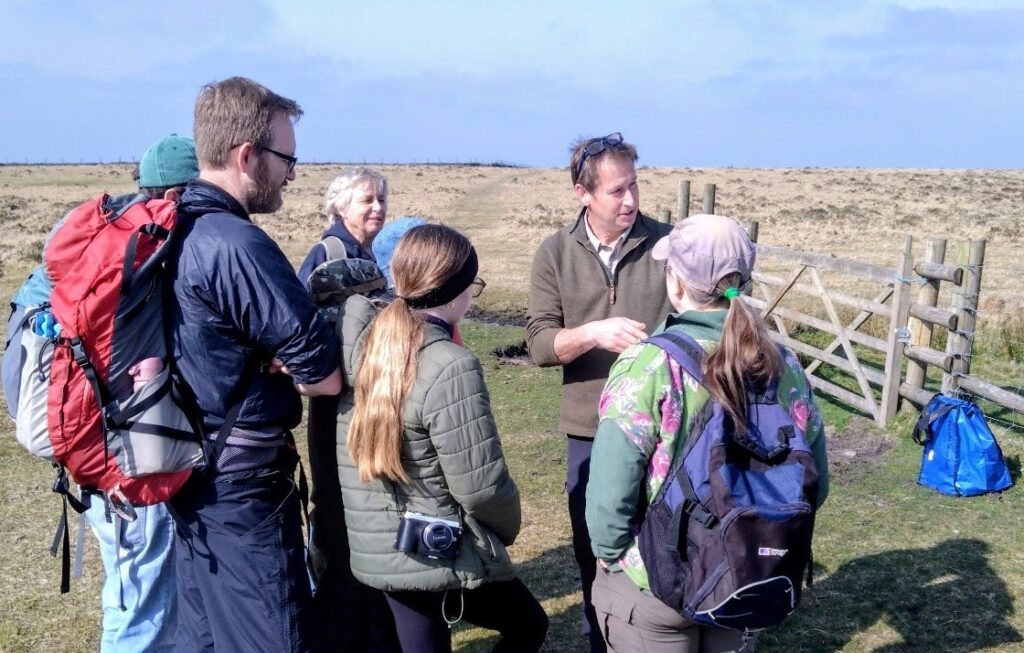
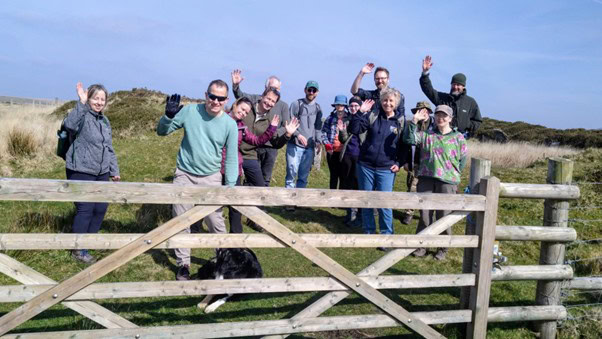
Our Young Archaeologists recently enjoyed a fantastic and rewarding day out in Cornwall, joining the Heritage Monitors from the Cornwall Archaeological Society for an engaging walk and talk at King Arthur’s Hall and Emblance Downs Stone Circle.
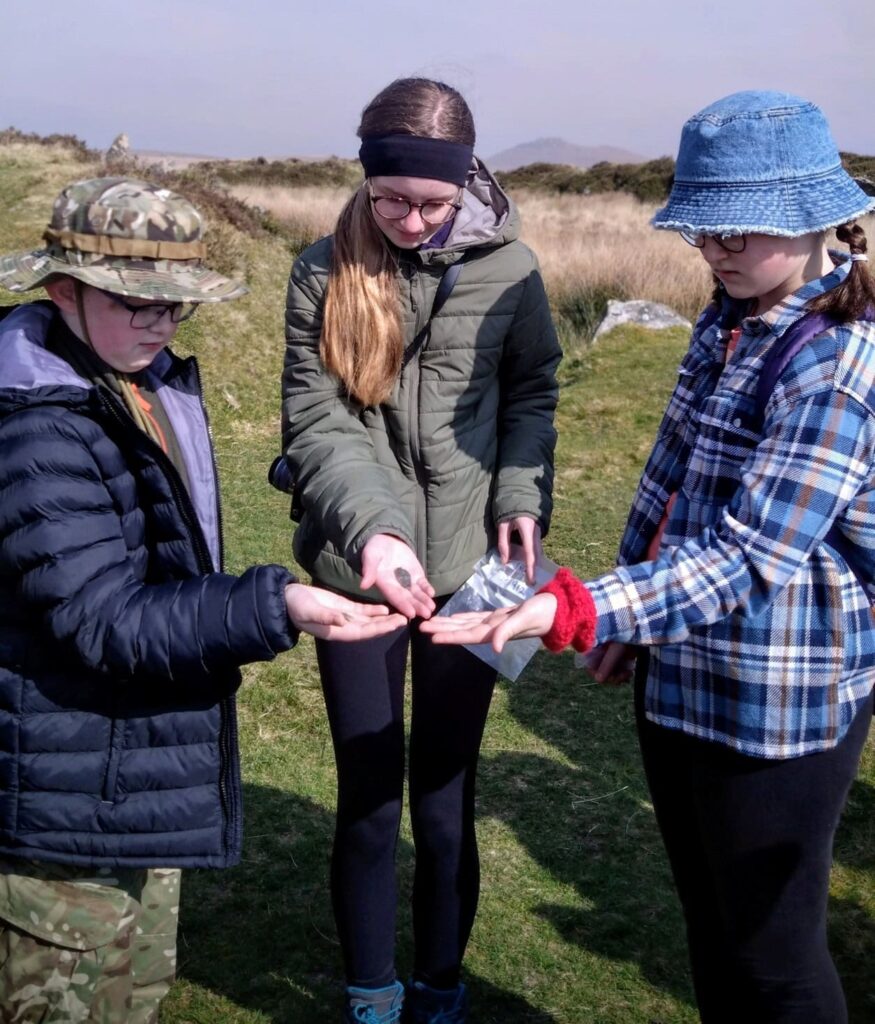
The group had the opportunity to explore these remarkable historic sites while learning about their archaeological significance and the importance of ongoing preservation work. Hearing directly from those who help care for these landscapes gave everyone a deeper understanding of how heritage is protected and why it matters.
It wasn’t just about learning—our members also got involved. At King Arthur’s Hall, they took part in hands-on work to help repair a gate, contributing directly to the upkeep of the site. It was a great example of how even small efforts can make a big difference in preserving our shared past.
King Arthur’s Hall, despite its legendary name, actually dates back to the Neolithic period (around 3000–2500 BC). It consists of a rectangular arrangement of upright stones and is thought to have been an enclosed ceremonial or gathering space. Although its exact purpose remains uncertain, it stands as one of Bodmin Moor’s most intriguing prehistoric monuments.
Nearby, Emblance Downs Stone Circle is a Bronze Age site, likely built between 2500 and 1500 BC. The circle once formed part of a wider ritual landscape and may have been used for ceremonies, seasonal gatherings, or astronomical observations. Though smaller and less well-known than some stone circles, it provides valuable insight into the lives and beliefs of ancient communities in Cornwall. A big thank you to the Heritage Monitors for their time, knowledge, and enthusiasm, which made the day both educational and memorable.
YAC Cornwall is grateful for support from National Lottery Heritage Fund through Cornwall National Landscape’s Monumental Improvement project.

Pickaxes and Pixels
Cornwall Young Archaeologists’ Club recently visited part of the historic mining landscape around Liskeard. Although much of the area is now ruinous, the group explored Phoenix United Mine, whose surviving structures gave the Young Archaeologists a real sense of the scale and importance of these mining buildings in their industrial heyday.
During the visit, the group examined the wider landscape and discussed the archaeology that remains today: which included the Hurlers (3 neolithic/bronze age stone circles), the former railway track that once transported coal to the site in exchange for tin and copper, scattered stone walls, and areas of crushed spoil. The Young Archaeologists also carried out a survey of Phoenix United Mine, measuring walls and creating plans that would later be used during the second day of the project.
On Day 2, the Young Archaeologists transformed what they had seen in the field into detailed Minecraft builds. Their recreations brought the historic mining landscape to life, complete with engine houses, mines, railways, water wheels, Cornish beam engines, and veins of tin and copper hidden underground. The creativity and enthusiasm shown by the group were outstanding. The project was a great success and would not have been possible without the support of Iain Rowe from Cornwall National Landscape, Lesley Strong from Cornwall and West Devon Mining Landscape, and Mark Blake and Ed Hart at Liskeard Library. The event was made possible through funding from the National Lottery Heritage Fund and the Natural Beauty and Beast Project.
Latest blog posts
Catching up with Cornwall YAC!
Since launching in November 2025, Cornwall YAC have been busy with fieldtrips, test-pitting, digital reconstructions and more! In our latest blog, branch leader Tanya shares some of the club’s recent activities and their upcoming plans for this year’s Festival of Archaeology.
Introducing our newest YAC: Cornwall
We’re delighted to introduce the newest branch to the YAC network: Cornwall YAC! Club leaders Tanya and Iain tell us more…