Set up an After School YAC
After-school YAC branches are specifically run by schools for their pupils. For after-school YAC branches we recommend covering Years 3–11.
After-school YAC branches are run by paid members of school staff as part of their role and the school provides their own insurance, child protection, and health and safety systems to ensure that their YAC is run safely. Ultimately, the school running the after-school YAC branch is responsible for the affairs of the branch and the school would be liable in the very unlikely event that anything goes wrong. After-school branches are also responsible for managing the adults involved with their club, including any volunteers.
Before beginning an application to set up a new YAC branch, please read the rest of the information on this page and in the ‘Run a club‘ section of the website.
The Young Archaeologists’ Club (YAC) is coordinated by the Council for British Archaeology (CBA). The CBA provides all YAC branches with:
- A listing on the YAC website
- Use of the Council for British Archaeology and Young Archaeologists’ Club names, logos and marketing materials
- A dedicated ‘Run a club‘ area of our website which includes guidance on running your YAC branch and more than 150 session and activity ideas.
- Training (online and in-person) and resources to support your YAC sessions
- A regular Leaders’ e-Newsletter
- Networking with other branches via a Facebook group and email updates
Why start an after-school YAC?
There are many reasons why a YAC is a fantastic addition to your school’s extra-curricular provision.
- Interdisciplinary by nature: Archaeology connects with science, technology, geography, art, design and more.
- Enriches history learning: Offers object-based exploration of places, civilisations and themes beyond the standard curriculum.
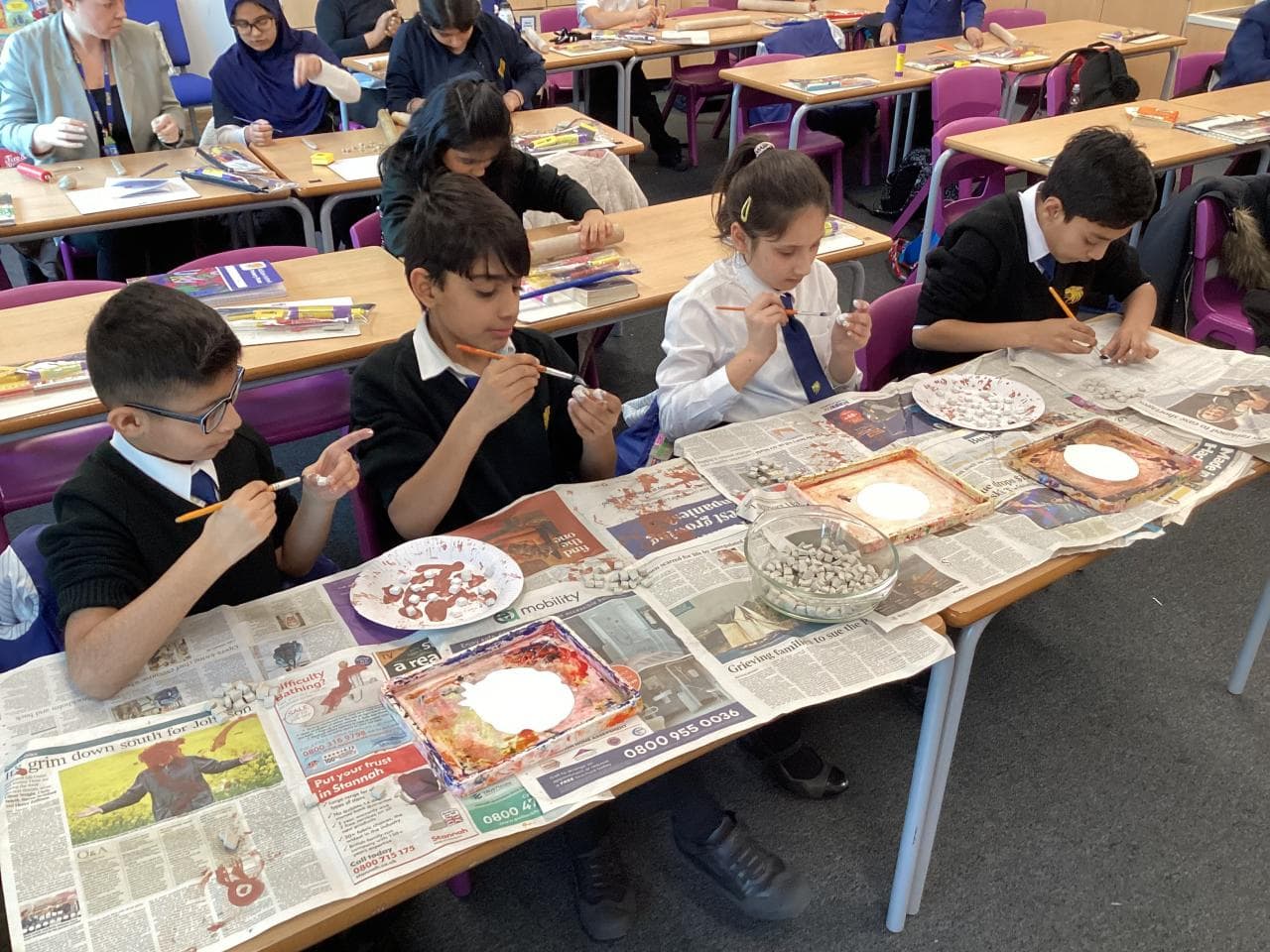
- Fun and hands-on: Crafts, experiments and practical activities help young people discover the past for themselves.
- Broadens access: After-school YACs bring archaeology to areas with limited opportunities for young people to get involved.
- Supports development: Encourages learning, confidence and social skills in a friendly, inclusive environment.
6. Proven impact: Our YAC Impact Report shows improved wellbeing, confidence and self-esteem among members.
7. Builds community: Members socialise with peers who share their interests, developing friendships and social skills.
8. Free training: Leaders gain access to YAC HQ training on diverse topics—from the Silk Road to zooarchaeology.
9. Unique experiences: Partner with local projects or museums to offer activities like digging and handling real artefacts.
10. Inspires the future: Help nurture the next generation of archaeologists dedicated to protecting our heritage.
How do I set up an after-school YAC?
We have created a step-by-step guide here: After-school YAC Club step-by-step process
What information will I need to supply?
In order to progress an after-school YAC branch application to our approval panel, the following documents will be requested:
- After-school YAC Branch Application Form
- Contact details for two points of contact
- Signed Memorandum of Agreement
- Example Session Risk Assessment
- Child Protection/Safeguarding Policy
- Confirmation of the presence of insurance, health & safety policies, venue risk assessment, disclosure checks and first aider training.
YAC HQ can help you with questions about any part of the process or the documents needed.
Your venue
An after-school branch is highly likely to use its school’s premises as its main venue (but do not be afraid to also arrange visits and trips!). The CBA will ask you to confirm you have a venue risk assessment as part of your application.
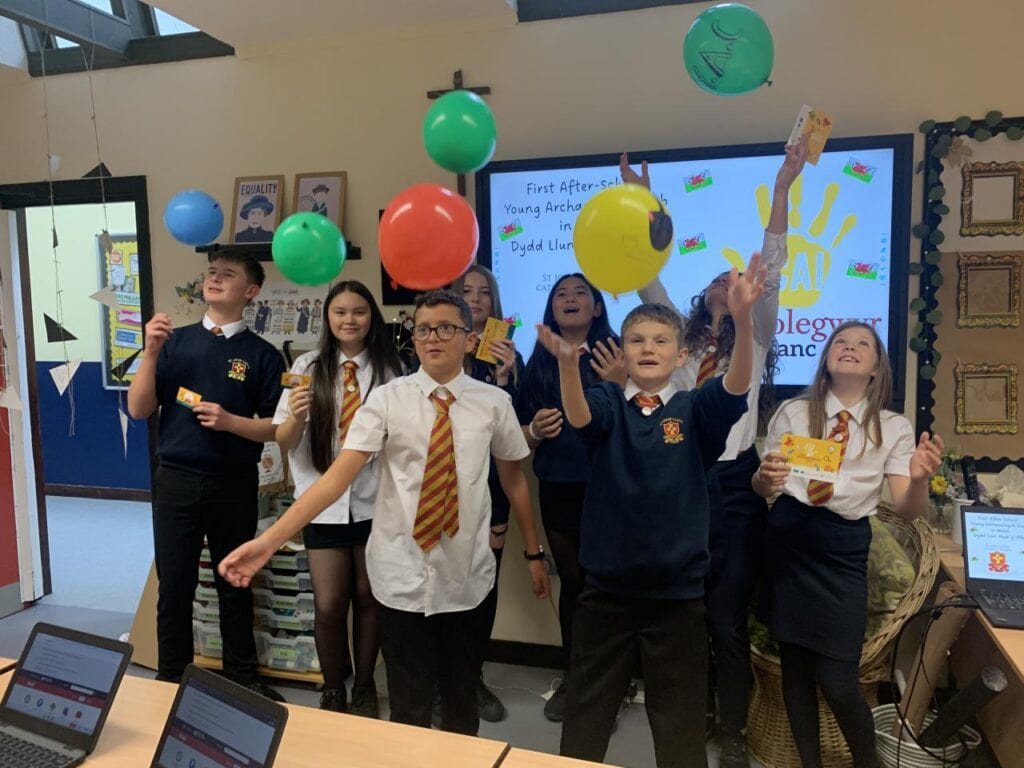
We at St John Lloyd Catholic Comprehensive School are thrilled to be the first after-school YAC branch in Wales. With the new Welsh curriculum firmly in place, we are incredibly excited to offer archaeological experiences which allow our students an opportunity to be curious about the natural world and human experiences.
Managing your YAC branch
The YAC website includes information about how to run your YAC, planning safe activities, safeguarding children and volunteering. These can all be found in the ‘Club admin’ section.
There are template forms available – including a membership form – in the Leaders’ Area of the YAC website. You may choose to use any of these documents that will help you to manage your branch. However, you should use your own organisation’s reporting forms for accidents, incidents etc., as your branch will be following your school’s procedures for these occurrences, rather than the YAC’s.
As well as running sessions, each branch is asked to complete an Annual Survey and Census online at the end of the financial year. We also encourage branches to run fundraising activities during the year as part of their branch activities. This can be for your branches funds or to help support YAC HQ.
What training does YAC provide?
YAC does not provide child protection or First Aid training to after-school branches; this should be provided, where needed, by your school. Subject to funding, YAC does provide a variety of free practical training opportunities for volunteers involved in running YAC branches. These give you the chance to meet other leaders involved in YAC and get new ideas for your sessions. In the past, these events have covered themes such as experimental archaeology, coastal archaeology, food and diet, and historic crafts.
Promoting your branch
Once you have received written confirmation from the CBA that your application is complete, you may begin promoting your After-school YAC branch. You must use the CBA and YAC logos on any written or digital material. We can provide poster templates that you can personalise with information about your branch, and we will also promote your branch on our website and social media.
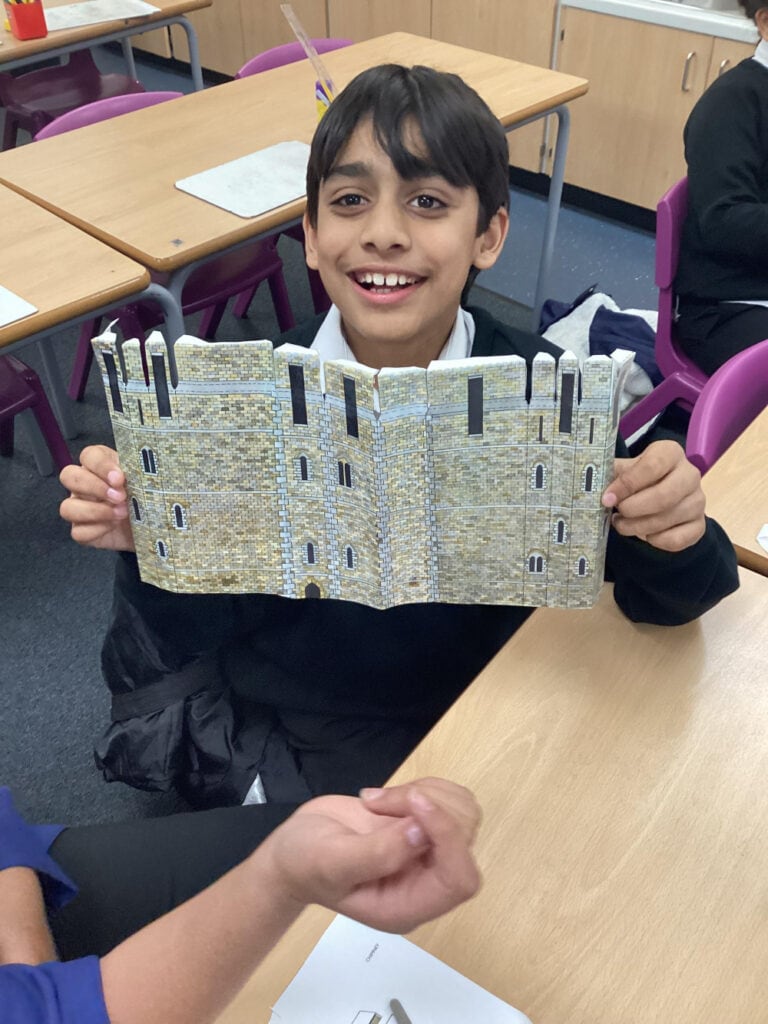
Our after-school YAC at William Hulme’s Grammar School has just reached the 6 month mark! We meet every Thursday after school and have been learning about our human past through crafts and experimentation in hands-on, jam-packed sessions.
Most recently, the club had its first visit outside of school! Just before the spring holidays, we went to Manchester Museum for a tour of the new exhibit “Golden Mummies of Egypt” with the curator of the Egyptian and Sudanese collections, Dr Campbell Price.
Who can be part of the club?
After-school YACs are intended to be opened by school staff with pupils from within that school as members. After-school branches can be run in primary or secondary schools and (in line with our age range of 8–16 for CBA-managed and Affiliate branches) we recommend covering years 3–11.
How often should the club meet?
Most of our YAC clubs meet once a month, usually for two hours on a Saturday or Sunday but After-school YAC branches are more likely to run on a weekday. There is no restriction on how often after-school clubs can run sessions. Some after-school clubs meet once a week throughout the school year, whereas others run ‘blocks’ of sessions at different points in the year.
What can YAC sessions include?
YAC sessions can include all sorts of different activities, topics and explore all eras of human history, such as the Romans, Vikings, Ancient Egyptians and Victorians. Archaeology is a great way to enhance your pupils’ history studies but it is also cross-curricular by nature – archaeology can link to science, technology, geography, art, design and much more! You can find ideas for topics and activities to include in your sessions here – Session Resources and Ideas. You could also consider hands-on activities, such as excavation, working with artefacts, visiting historical sites and undertaking experimental archaeology.
After-school YAC application forms
When you are ready to begin your application please download and complete the following forms and email them to yac@yac-uk.org.
- After-school YAC APPLICATION FORM – Word
- After-school YAC APPLICATION FORM – editable PDF
- After-school YAC APPLICATION CHECKLIST – Word
- After-school YAC APPLICATION CHECKLIST – editable PDF
- After-school YAC MEMORANDUM OF UNDERSTANDING – Word
- After-school YAC MEMORANDUM OF UNDERSTANDING – editable PDF
- Our After-school YAC Club Guidance document combines all the information on this page into a downloadable document.