Mick Aston’s Young Archaeologists (Somerset)
Mick Aston’s Young Archaeologists (Somerset) or ‘MAYA’ is open to everyone aged 8–16 years. YAC clubs get involved in all sorts of activities, including visiting and investigating archaeological sites and historic places, trying out traditional crafts, taking part in excavations, and lots more.
MAYA is based at the Museum of Somerset in Taunton and usually meet once a month. The club has been set up in memory of Professor Mick Aston from Time Team who was very keen to start a new YAC club for Somerset.
Contact: Liz Caldwell
Email: contact@yacsomerset.co.uk
A team of volunteers runs the club: if you want to know more about how we recruit YAC volunteers and make sure children at YAC clubs are well looked after, check out our FAQs.
If you’d like to get involved with MAYA, get in touch with the team using the details above. Read on to find out more about what we have been up to recently!
For more information about all our previous sessions visit our website www.yacsomerset.co.uk
Prehistoric Cave Art 3rd January 2026
In our first session of 2026 we learnt about Upper Palaeolithic Cave Art in Europe. We started out with a PowerPoint presentation about where cave art was found, what kinds of things were painted, and discussed why people might have painted them. We also looked at how the paints were made out of minerals and organic materials and how we could use this to date the art. We finished with a quick look at prehistoric cave art from other parts of the world.
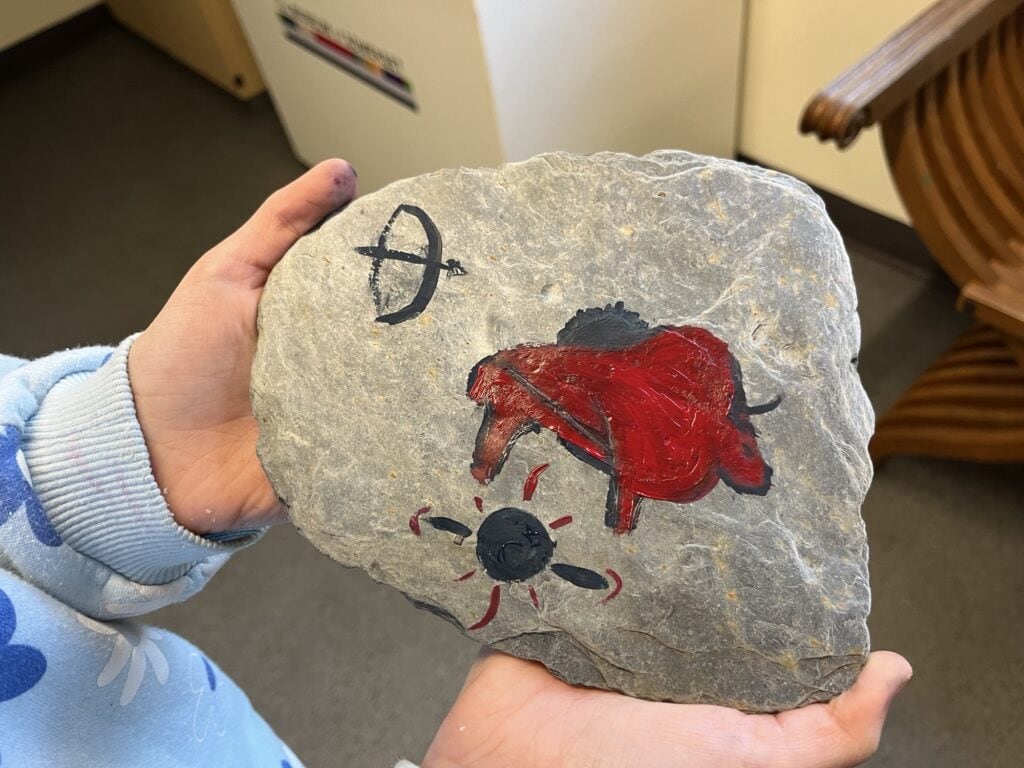
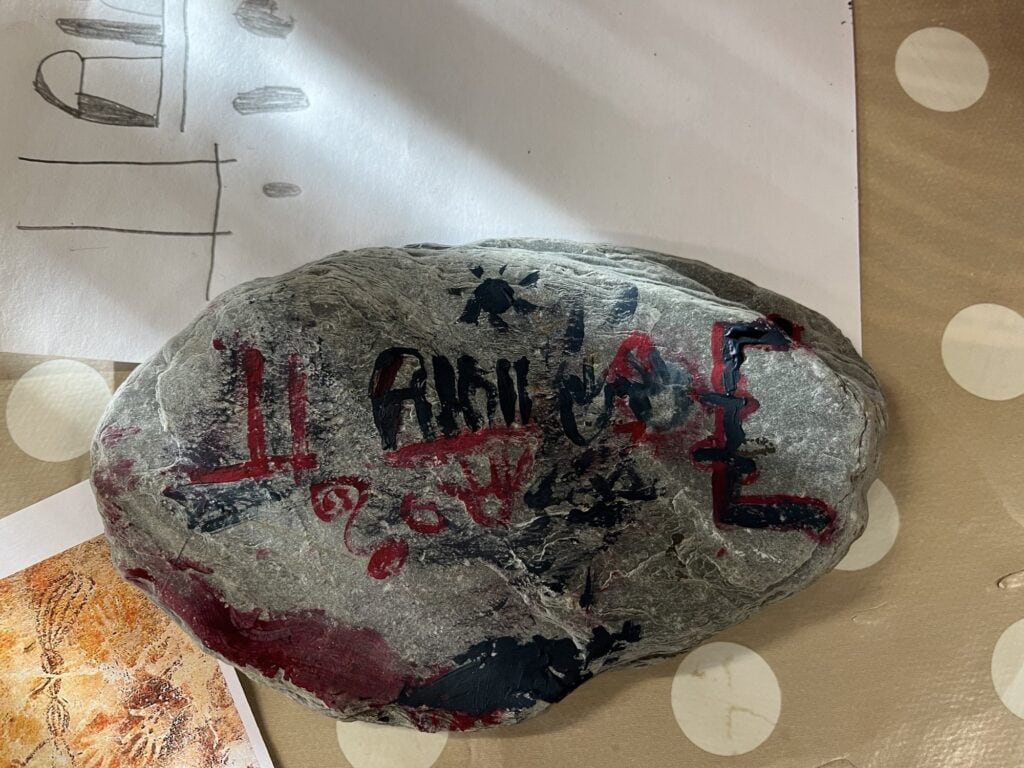
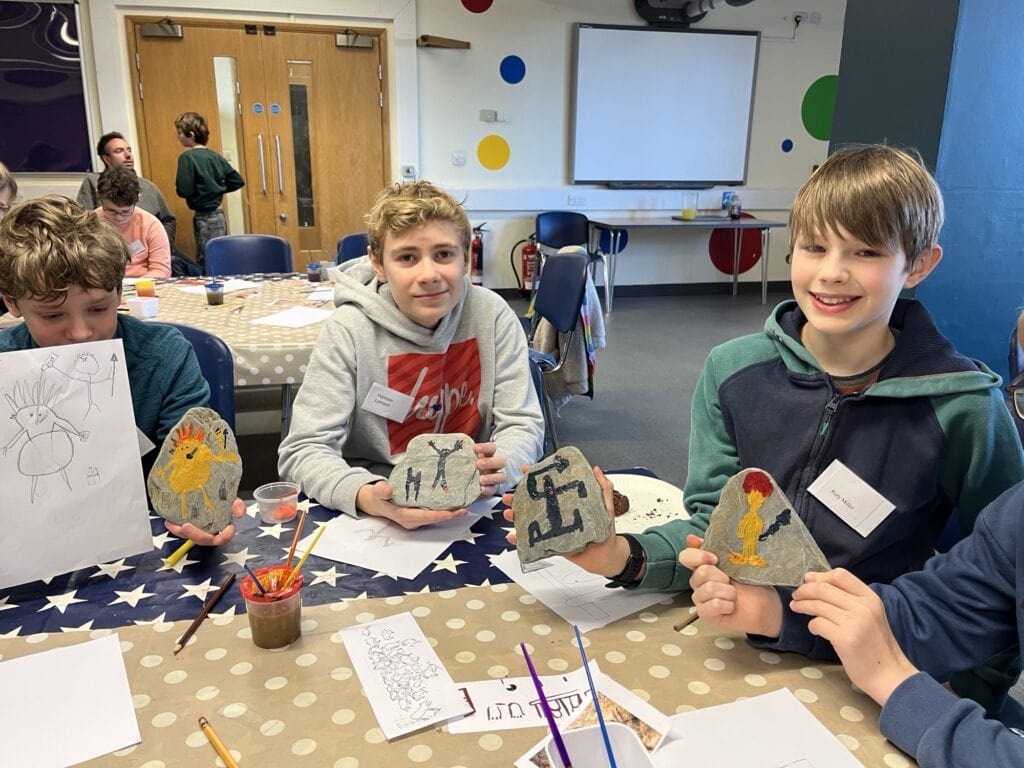
After a short break we then designed and painted some cave art of our own! Each of our MAYANS were given a flat pebble to paint. We had lots of pictures of cave art from all sorts of different site to inspire them. The designs they came up with were fantastic, very varied and colourful. The pebbles were dry by the end of the session so they could take them home with them.
We also had a virtual walk through tour around the cave at Lascaux in France which is one of the most famous cave art sites in the world. Throughout the session the MAYANS took it in turns exploring this amazing site on the computer.
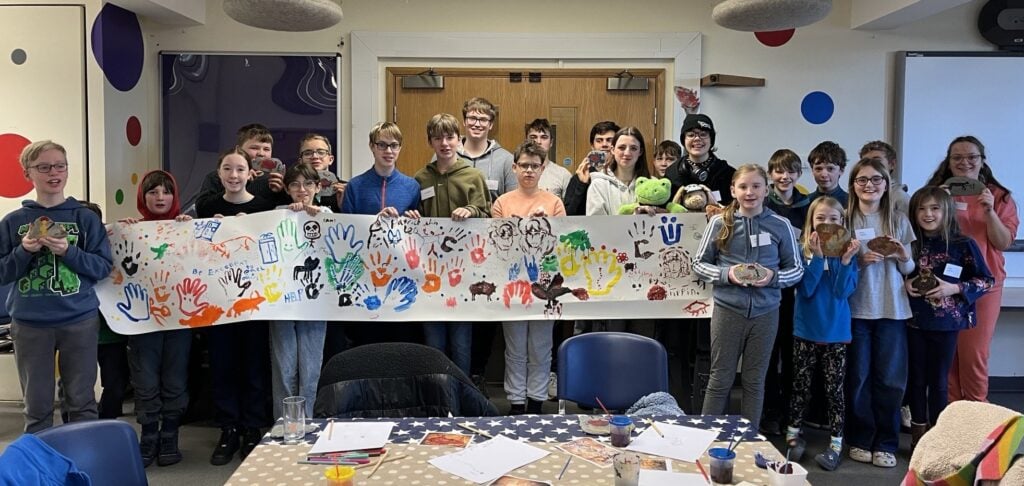
Finally our MAYANS also decorated a long freeze with cave art, a combined effort which produced an amazingly colourful result! The most popular image was definitely the hand print which is a common motive in prehistoric cave art, and we ended up with some amazingly colourful hands as well! A really messy but really fun session!
Visit to WWII Anti-tank Defences 7th February 2026
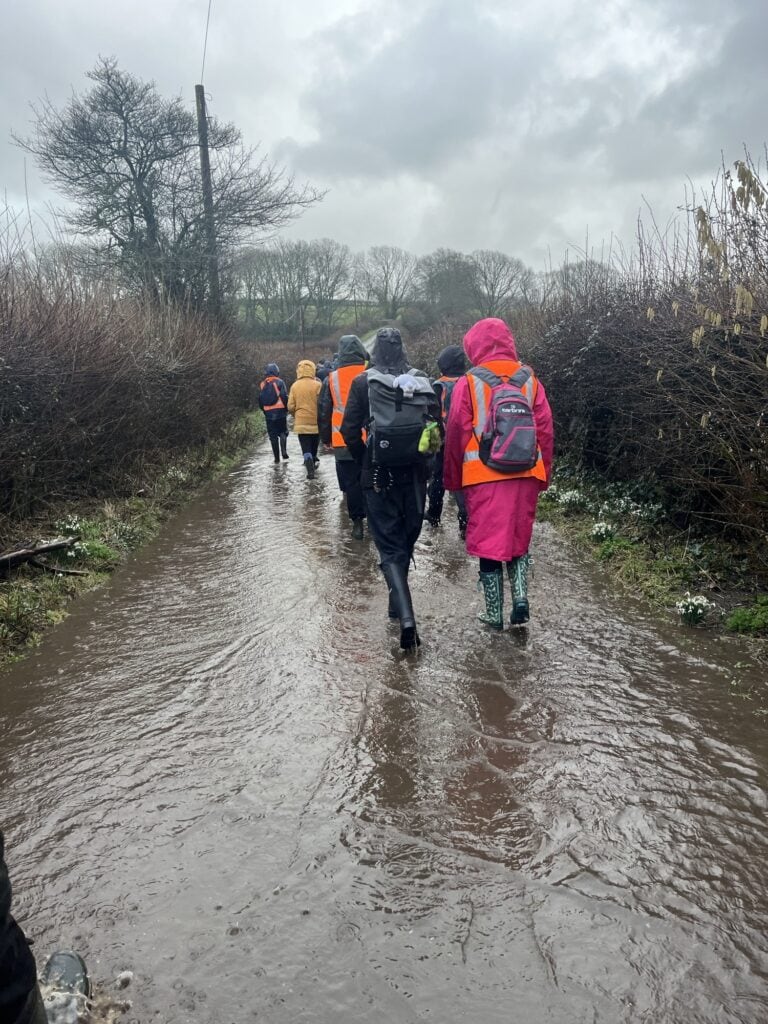
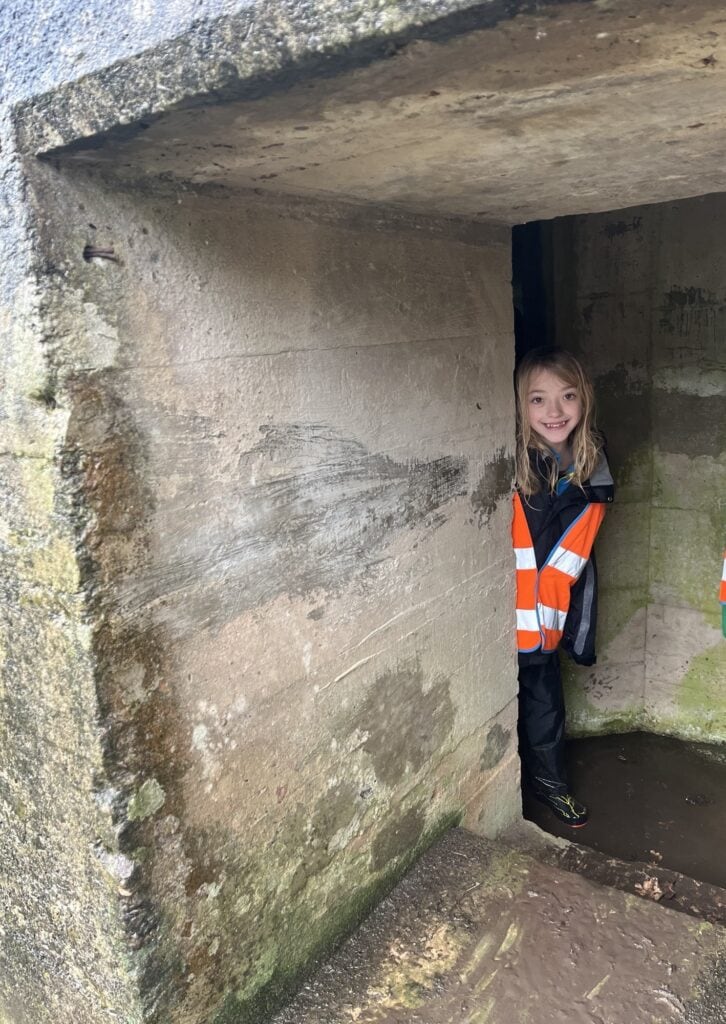
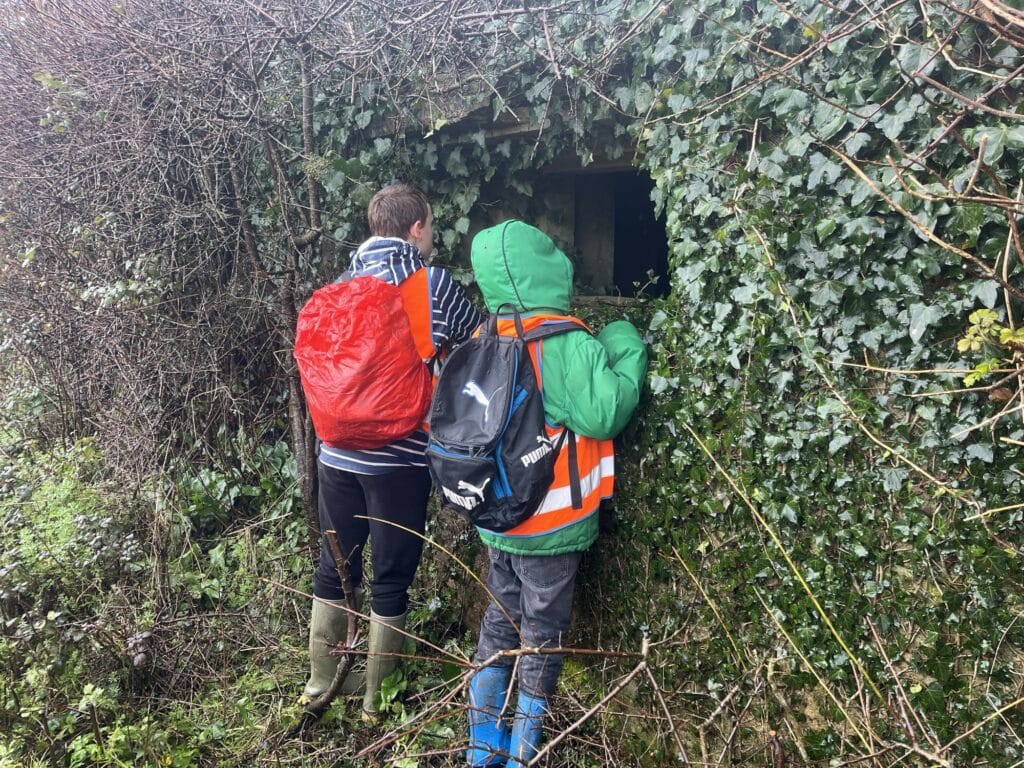
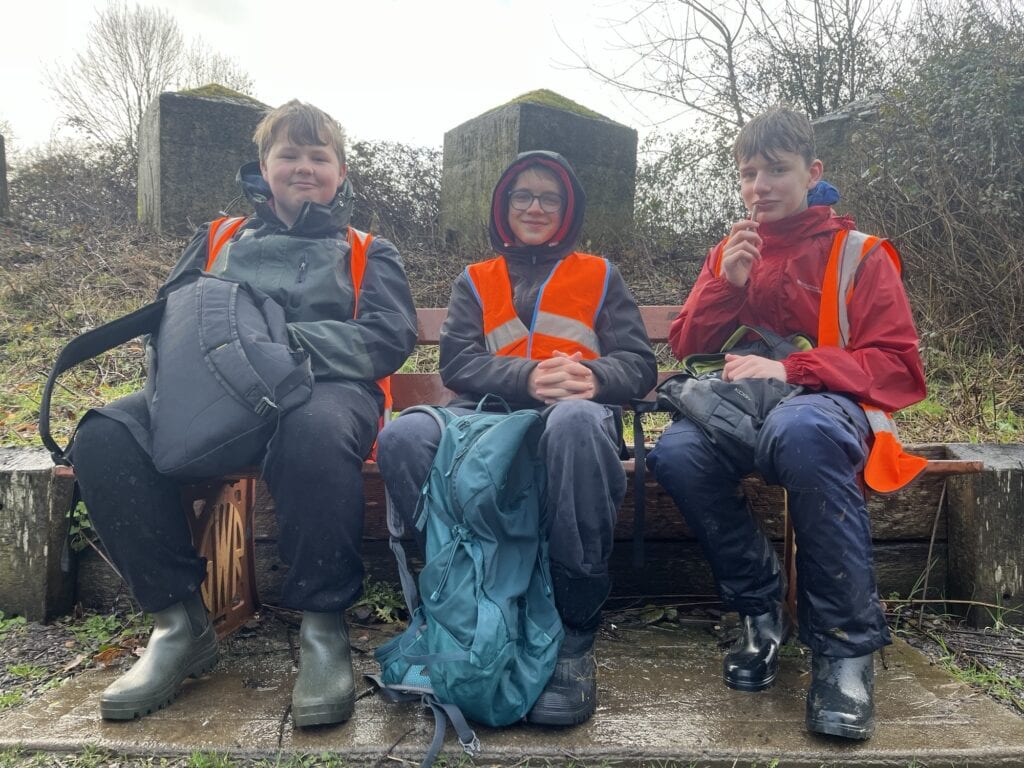
This month we were treated to a really special session. We were taken on a guided walk around WWII archaeological sites in Donyatt which formed part of the anti-tank defences of the Taunton Stop Line. Our guide was Chris Webster from the South West Heritage Trust.
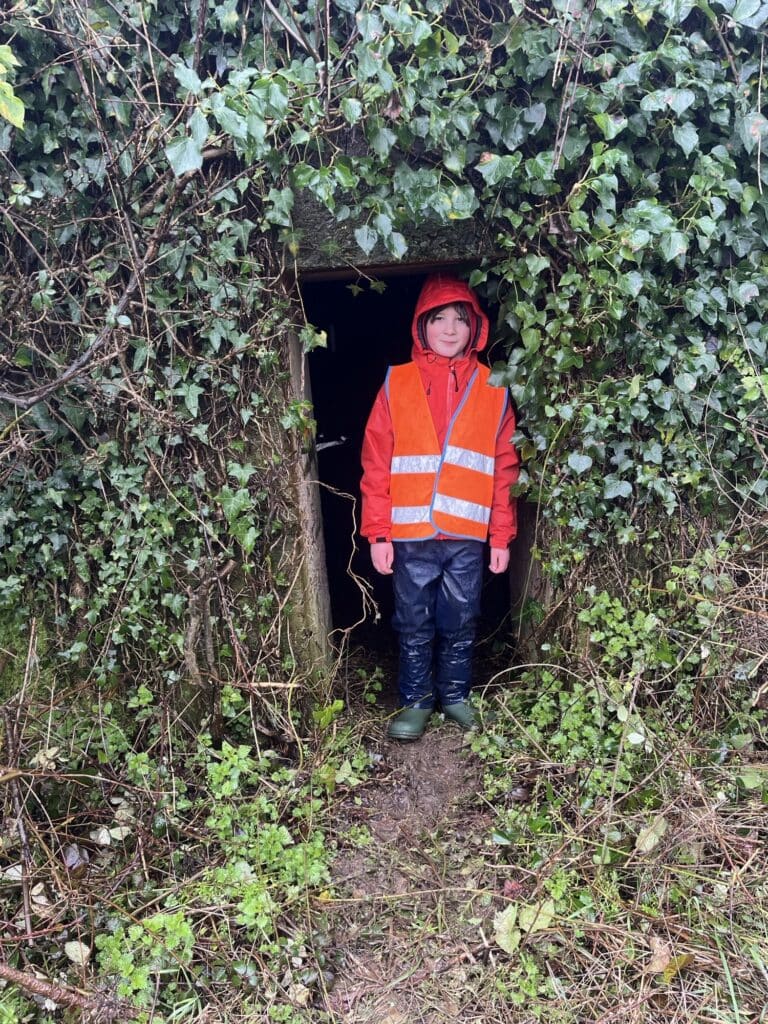
Despite the pouring rain, our MAYANS were undaunted and we had a good turn-out. Chris showed us a number of fascinating and sometimes partially hidden sites, including pill boxes, gun emplacements and huge concrete anti-tank blocks. The tour also included a walk along the former Ilminster – Chard railway line near Donyatt Halt which was lined by anti-tank concrete blocks and posts.
The pill boxes we visited were on private land and we are very grateful to the landowners for giving us access to these extraordinary historical sites.
A massive thank you to Chris for coming out in the pouring rain to run this fascinating and memorable session!
The Cheddar Brooch 7th March 2026
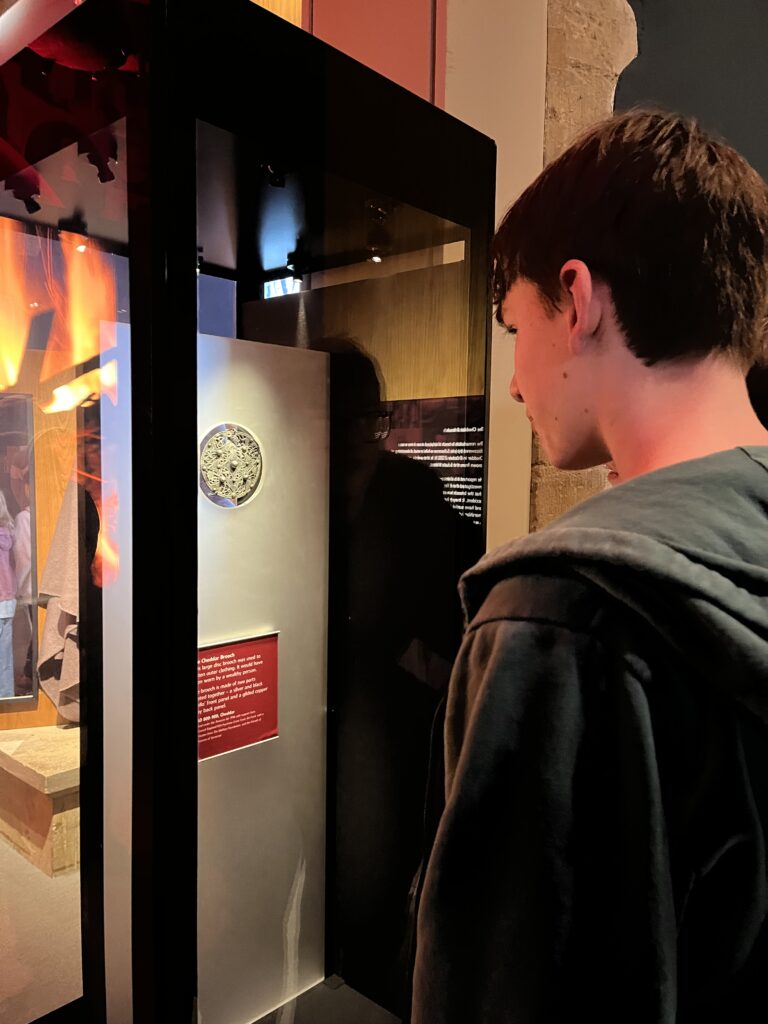
We were back in the Museum of Somerset this month for a session which was all about a very special object in the museum’s collection – the Cheddar Brooch. This unique item is over a thousand years old and is one of the most important objects every discovered in Somerset.
The session was led for us by Dan Broadbent who talked about the history of the brooch and how it was found by a metal detectorist. It is decorated with intertwining animals and plants, including different types of dragons. After conservation the brooch has been put on display in the museum.
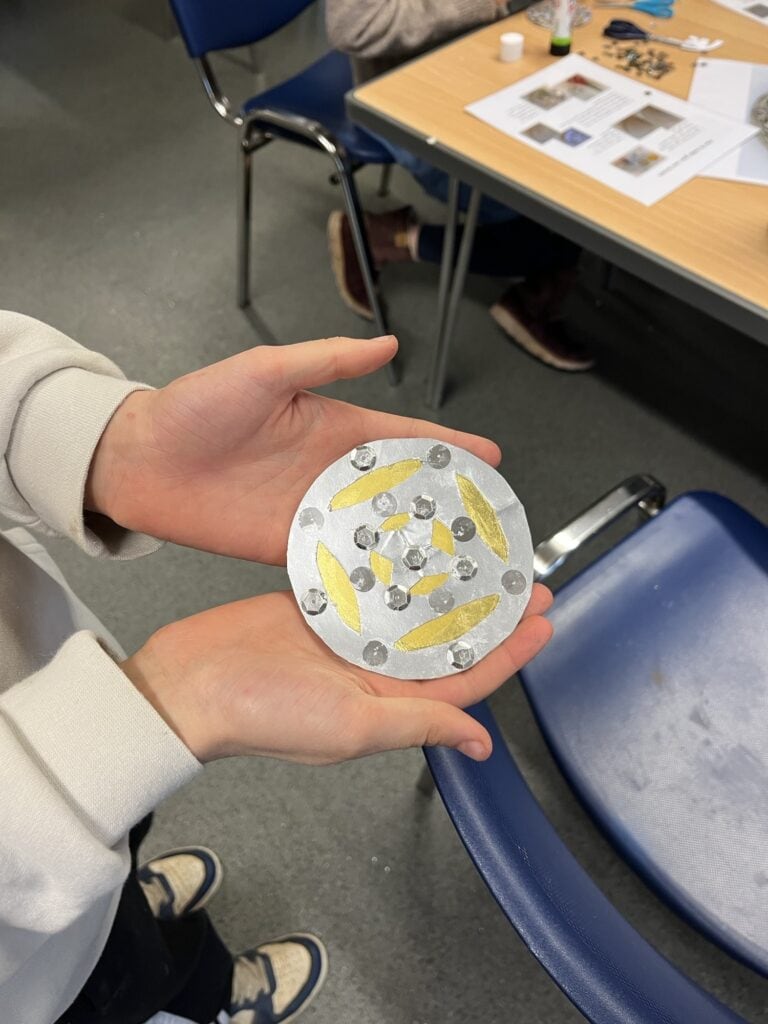
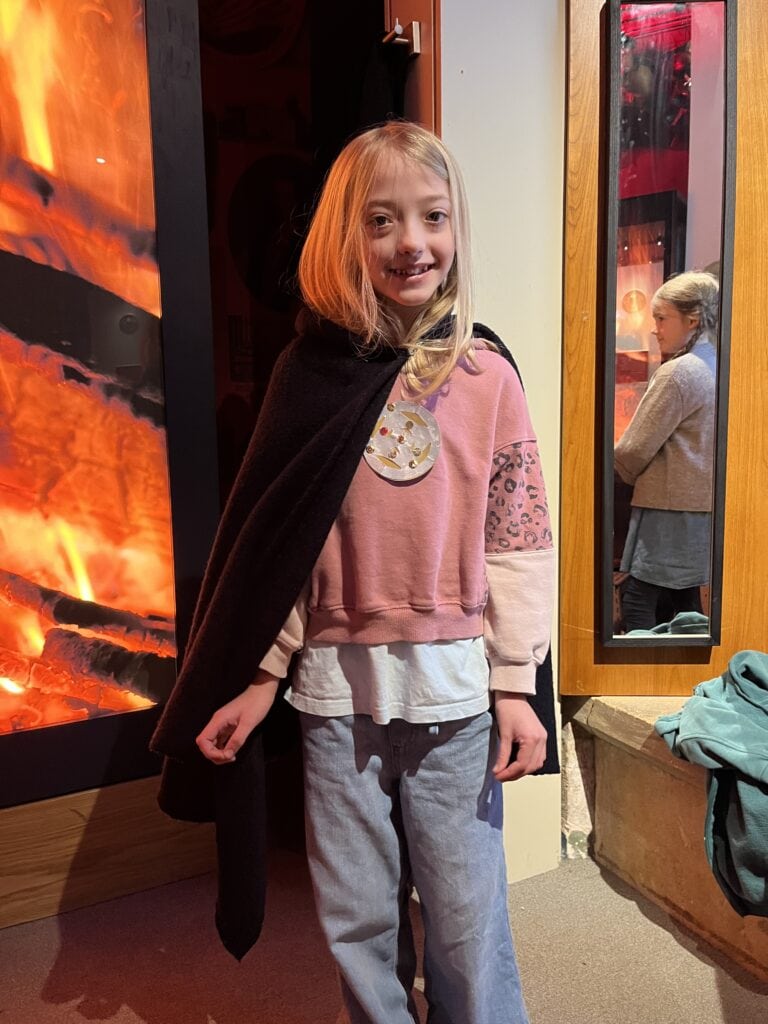
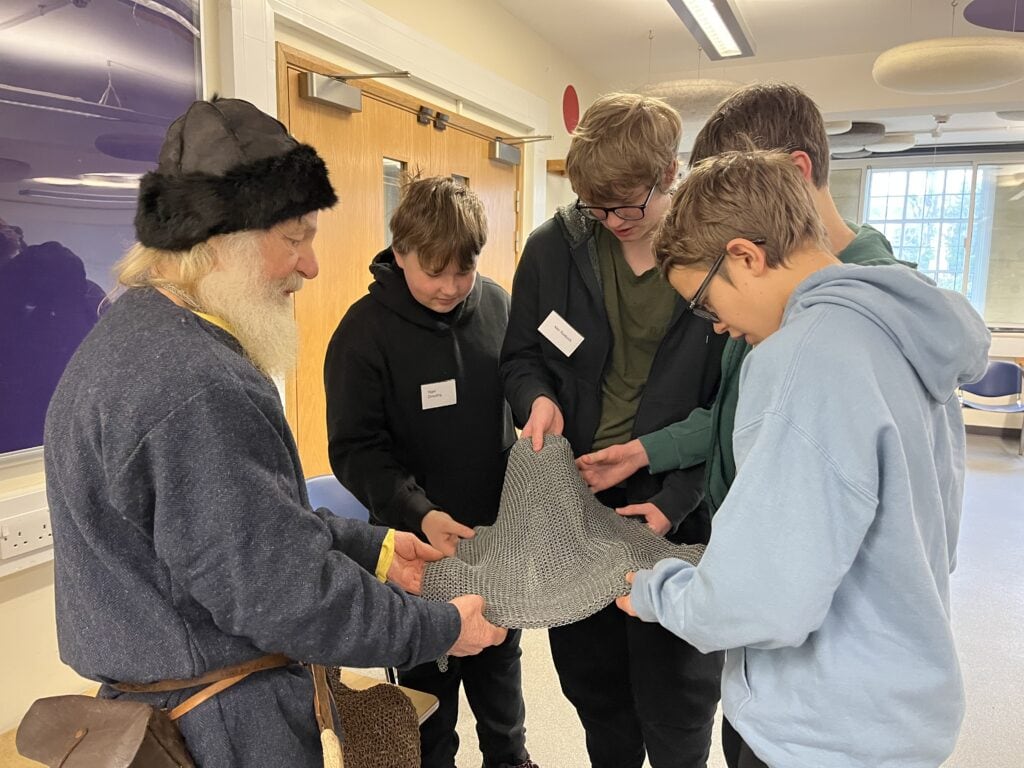
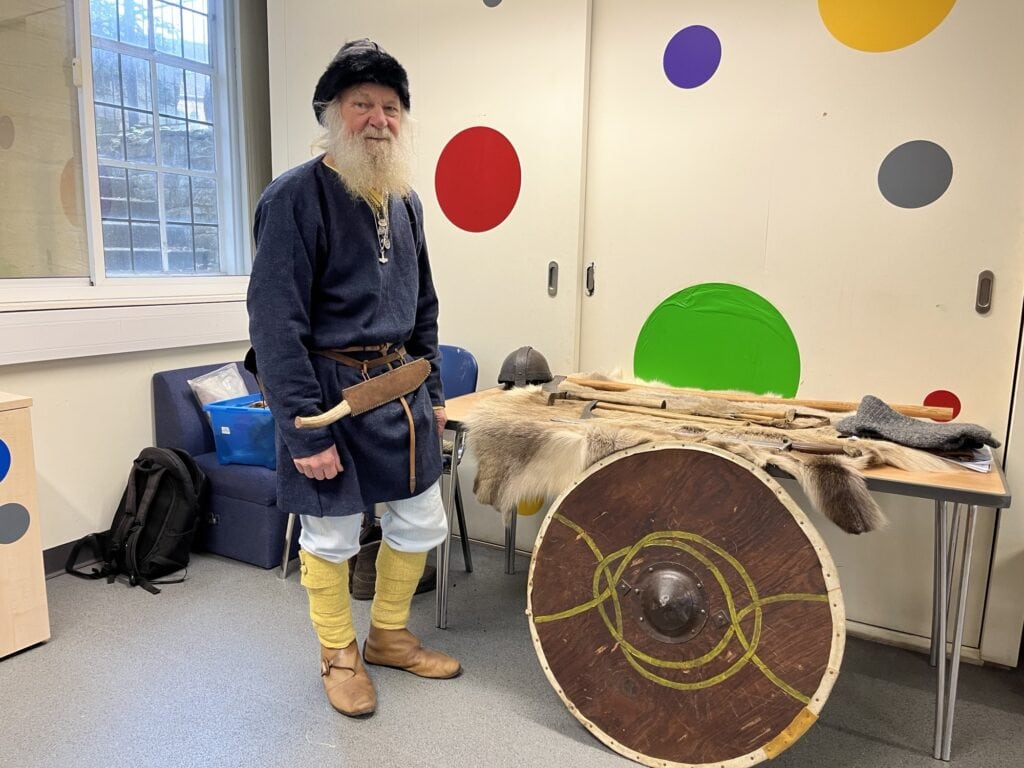
After Dan’s talk we split up into groups. One group went to visit the brooch in the museum and the others made replicas of the brooch out of gold and silver card. We were also lucky enough to be visited by Nessie, a re-enactor who brought along Saxon artefacts, weapons, clothing and other objects for us to look at. The groups rotated so we could all get chance to do all the activities.
At the end of the session Dan told us some Saxon tales and legends which included dragons like the ones on the brooch.
A big thank you to Dan and Nessie for coming along to give us such a fascinating session!