All archaeology should be excavated
When we think of archaeology, we often think of the stuff (artefacts) that archaeologists find on excavation. If we didn’t excavate, would we even have archaeology?
Well the truth is that sometimes it’s best for the artefacts to remain safely in the ground. Excavation is a destructive process, and it opens the artefacts up to being damaged or destroyed by the environment.
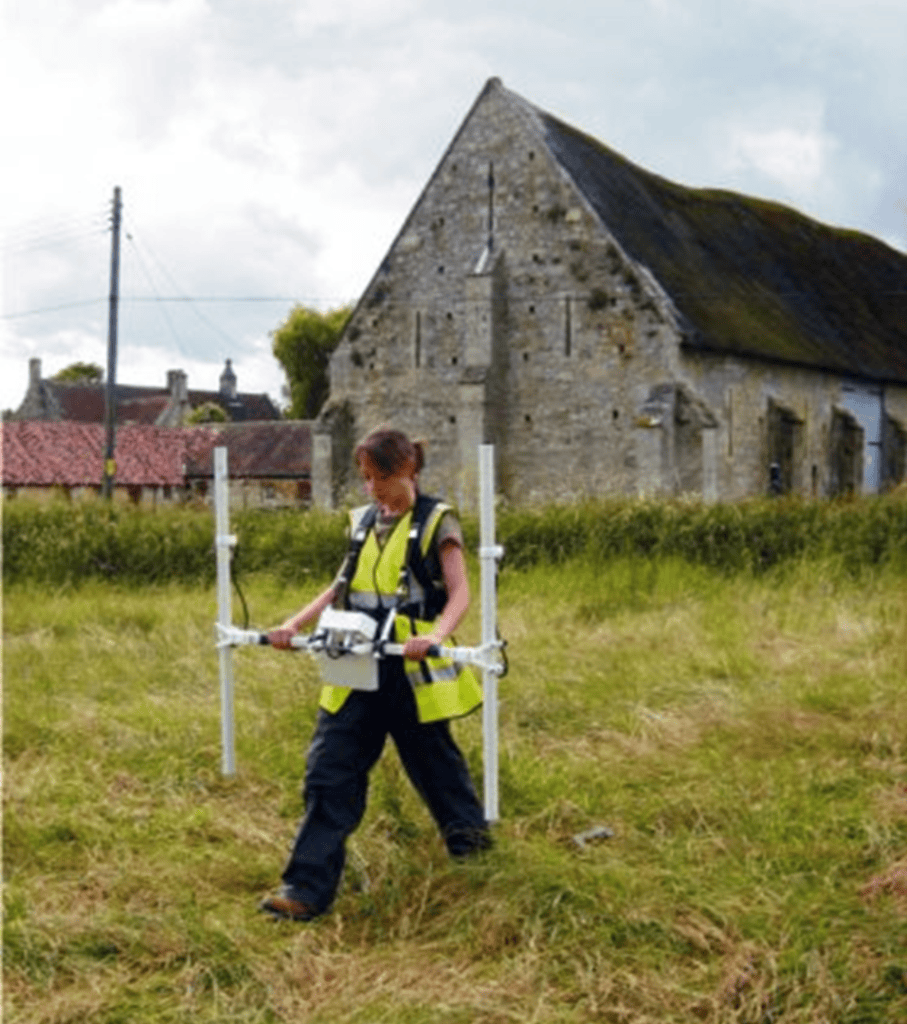
There are several non-invasive techniques that allow archaeologists to see what is underground without digging. Those techniques include:
- Aerial photography – taking images from above in order to reveal soil patterns that could indicate the presence of a site or settlement
- LIDAR – creates 3D maps of the landscape, thus highlighting variations in topography/landscape
- Magnetometry – measures variations in the Earth’s magnetic field and can detect buried features such as hearths or even metal objects
- Resistivity Surveys – similarly measure the electrical resistance of the soil and can reveal buried features
- Ground Penetrating Radar – sends radar pulses to the ground and creates a 3D image of buried features.
Technology is always developing so sometimes it is better to leave a site unexcavated in the hope that future archaeologists will be able to conduct archaeology using safer and more sustainable techniques.