Working with 8-16 year olds
YAC branches welcome members aged 8-16. On this page you can find guidance on getting started working with this age group, including tips on communication and differentiating activities for your older and younger members.
We have also some guidance on communicating with your members and their adults.
YAC aims to provide a welcoming atmosphere for all young people, so please read our advice and resources on supporting members with additional needs.
Getting started working with young people
Working with young people is something you get better at with practice, so long as you take the time to think about what you are doing and how you can do it better. Here are our top tips to get you started:
- Learn from your members: observe how they respond to different activities and ask them for feedback. What would they like to be doing?
- Learn from your team: YAC volunteers come from a wide range of backgrounds and your team is likely to include at least one person with experience working with young people.
- Vary your activities: give your Branch members the chance to do the things they’re good at as well as to learn new skills by including a range of activities in your sessions. If one activity involves reading or writing, for example, make sure the others include hands-on crafts, exploration, experiments or drawing. Don’t forget, we have a wide range of session resources that you can make use of!
- Allow members to choose: let them move freely between a range of activities so that they can spend time on things they find most engaging.
- Celebrate their differences: praise their achievements and ideas, especially if they’re not at all what you were expecting! Try to get to know the young people in your Branch and appreciate their individual skills and personalities.
- Think about how you communicate: be consistent and clear, and check their understanding. If you’re talking about, for example, geophysics, instead of either assuming they know what that is, or assuming they don’t and telling them, try asking if anyone in the group can explain it to the others. Interactivity, guided questioning and any opportunities to get hands-on will help keep young people engaged.
- Be careful with humour: while humour is a great part of working with young people, be aware that some young people may not fully understand facial expressions or tone of voice, jokes, metaphors and sarcasm. Something you say in jest may be taken seriously or literally by a young person. Don’t be worried about using humour; just be aware of how people respond.
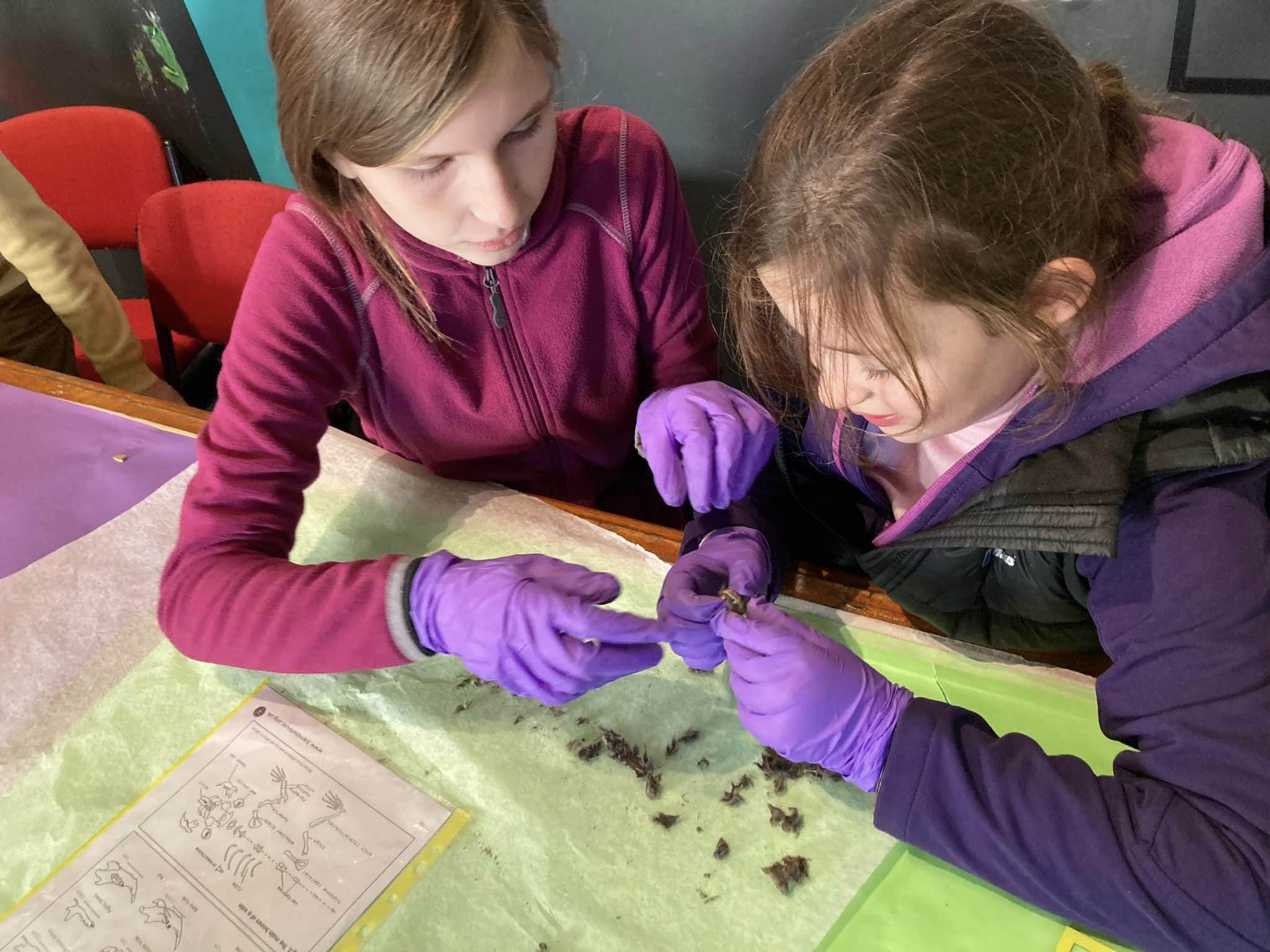
- Finally, remember that your members are there to enjoy themselves! Archaeology is brilliant because it gives people the chance to get out of their seats and learn by doing, getting mud on their boots and under their fingernails. Try to include really ‘active’ activities in every session.
Working with a wide age-range
YAC is open to young people aged between 8 – 16 years and keeping the oldest and youngest members of your club engaged can be tricky. Clubs have various ways of dealing with this, and you may need to try a few approaches to find what works best for your group.
- If you have a large membership and team of volunteers, you could split your club into older and younger groups and run separate sessions.
- Design activities to run at different levels. Older members could be set more challenging tasks or given more detailed handouts.
- Split members into age-related groups during sessions.
- Use the older members as ‘peer tutors’ to help assist and explain things to younger members.
- Plan a range of activities for a session that members can move between freely, allowing them to spend more time on activities they find most engaging
- If these do not work or are not possible, you might want to consider reducing the age-range.
For more ideas of how to work with young people with a range of ages and abilities, do try asking other YAC Leaders for their experiences and advice. You can find their contact details on the Join a club page and you can join the YAC Volunteer Facebook group (https://www.facebook.com/groups/571253729589036/), or contact YAC HQ. We also recommend perusing the YAC Impact Study for some interesting findings and recommendations on keeping your branch engaging for both older and younger members.
Communicating with your members and their adults
Each YAC branch is free to develop the most effective way of letting their members know about upcoming meetings. However, it is vital to remember that since YAC members are children, the people you really need to be talking to are their parents/carers.
How you talk to parents/carers is up to you: ask them what they prefer! Here is some good practice from the YAC network:
- Develop good face-to-face relationships with parents: try to spend a few minutes talking to them when they drop off and collect their children.
- Most clubs give information about upcoming meetings by email, which is sent out 1-2 weeks before each session. Make sure you have a correct email address which is checked regularly. To protect personal details, make sure you use the ‘bcc’ feature so that each parent cannot see the others’ email addresses.
- When using email, social media etc. you must not contact the members directly. Correspondence should be sent to parents/carers. For more detailed guidance please take a look at the Digital Safeguarding Policy, particularly sections 5.3.3. and 5.3.4.
- Set up a separate email account for your club, rather than using your personal or work email address.
- Some clubs produce calendars of upcoming sessions, often on a quarterly basis, which can be handed out at sessions. If you can, print these onto coloured paper so that parents can pin them to their fridge and see them easily.
- Some clubs produce newsletters or blogs. Make sure you think carefully about whether you can continue to invest time on this in the long term.
- Please also remember, especially online, to make sure you have up to date permission from parents to use photographs of their children. It is best not to give children’s names or precise time and place details of upcoming sessions on a publicly accessible site. More information on this is available here.
Social media
The minimum age for the use of most social media, such as Facebook, is 13. Since YAC members are most often under 13, social media is not an appropriate way to communicate with them.
You might consider setting up a Facebook group to communicate with parents. Facebook groups are only accessible to those who have been invited to join them, and can be a useful way to broadcast information. Please do discuss this with your members’ parents to see if they are happy to communicate in this way.
You could also use a publicly visible Facebook or Instagram account to promote your club but remember that you should never publish any personal details about children on social media (even their names). You must never use your own personal social media accounts to communicate with YAC members.
Welcoming members with additional needs
We know that many YAC members are neurodivergent or have additional needs and disabilities. YAC prides itself on providing a welcoming atmosphere for these young people. To provide a welcoming and inclusive environment for all members a little extra thought and communication is needed.
- Paying attention to your members, listening and responding to their feedback is a great place to start. Try not to make assumptions: if a person doesn’t respond well to a particular activity, talk to them about it and you may well find that a small adjustment – either in the activity or in your understanding – is all that’s needed.
- While the active learning archaeology provides is great for many young people, for others, it can be potentially stressful. Giving clear instructions is a must. Be patient if you need to repeat instructions, think about whether what you’re saying is easy to understand, and give young people time to process the information you give. If someone wants to take a break from an activity, let them.
- Bear in mind that some young people find it difficult to use or understand facial expressions, tone of voice, jokes, metaphors or sarcasm. Think about whether your communication can be misunderstood: something you say in jest might be taken seriously or literally by a young person.
- Get to know the young people in your club and appreciate their skills and personalities: think of your members as individuals rather than a group, and try to bear their differences in mind in your planning. Will a different approach to a task make it more accessible and engaging?
- If you are unsure about how best to support a particular member of your club, ask their parents or guardians for advice. For example, what successful strategies are used at school or home? If a member needs a lot of support, it is not unreasonable to ask a parent or guardian to accompany them at club sessions.
- If you want to find out more about a particular issue, then the websites such as The National Autistic Society, The British Dyslexia Foundation and Dyspraxia Foundation can be useful. Try to remember though the neurodivergence affect each person differently, so the best people to learn from are your members themselves, their families, carers and friends. You can always speak to YAC HQ if you’d like to talk about any issues or seek advice.
YAC HQ provides a proforma Individual Support Plan, which provides information that is used to support members and volunteers during YAC sessions, help plan for activities to avoid allergens or to provide additional support, and to help them in an emergency. You can find out more about how and when to use this here: Individual Support Plans.