Salt Extraction

Salt has been an important substance for thousands of years. People used it to cook and preserve food, which was essential before fridges and freezers! They got salt from many different sources – mainly the sea – but it could also be mined or extracted from urine!

Some archaeologists have used salts as evidence to estimate the density of humans and animals at an archaeological site. As a result, they can evaluate the scale of animal domestication in that ancient settlement.

In this activity, you will find out how urine salts have been left at archaeological sites over time. Don’t worry; we won’t be using the real thing!

Useful questions:
• Why did people in the past need salt?
• What process allows us to collect the salt from the urine?
• Why aren’t the salt crystals yellow?
• How else could people have got salt in the past?

Research Opportunities:
• Map out salt trading routes
• Research the range of things people used salt for (e.g. preservation of food, cooking etc.)

Teresa Yeung

Adult supervision is required.

Type of Activity : Experiment

How many people required (minimum) : 1

Safety Measures : Ask an adult to help you when using the heat source.
The evaporating dish can become very hot after heating so ask an adult to remove the evaporating dish from the heat source for you.

Ages : 8+

Time Required: 1-2 hours

Step 1

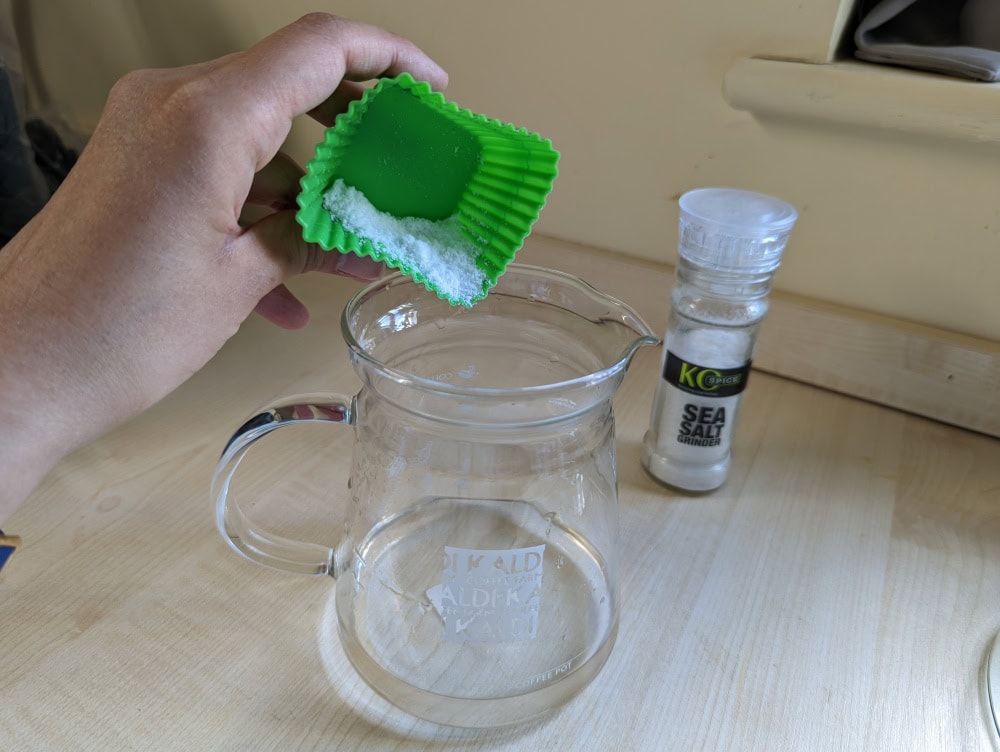
Mix the salt with the water and yellow food colouring.
Step 2

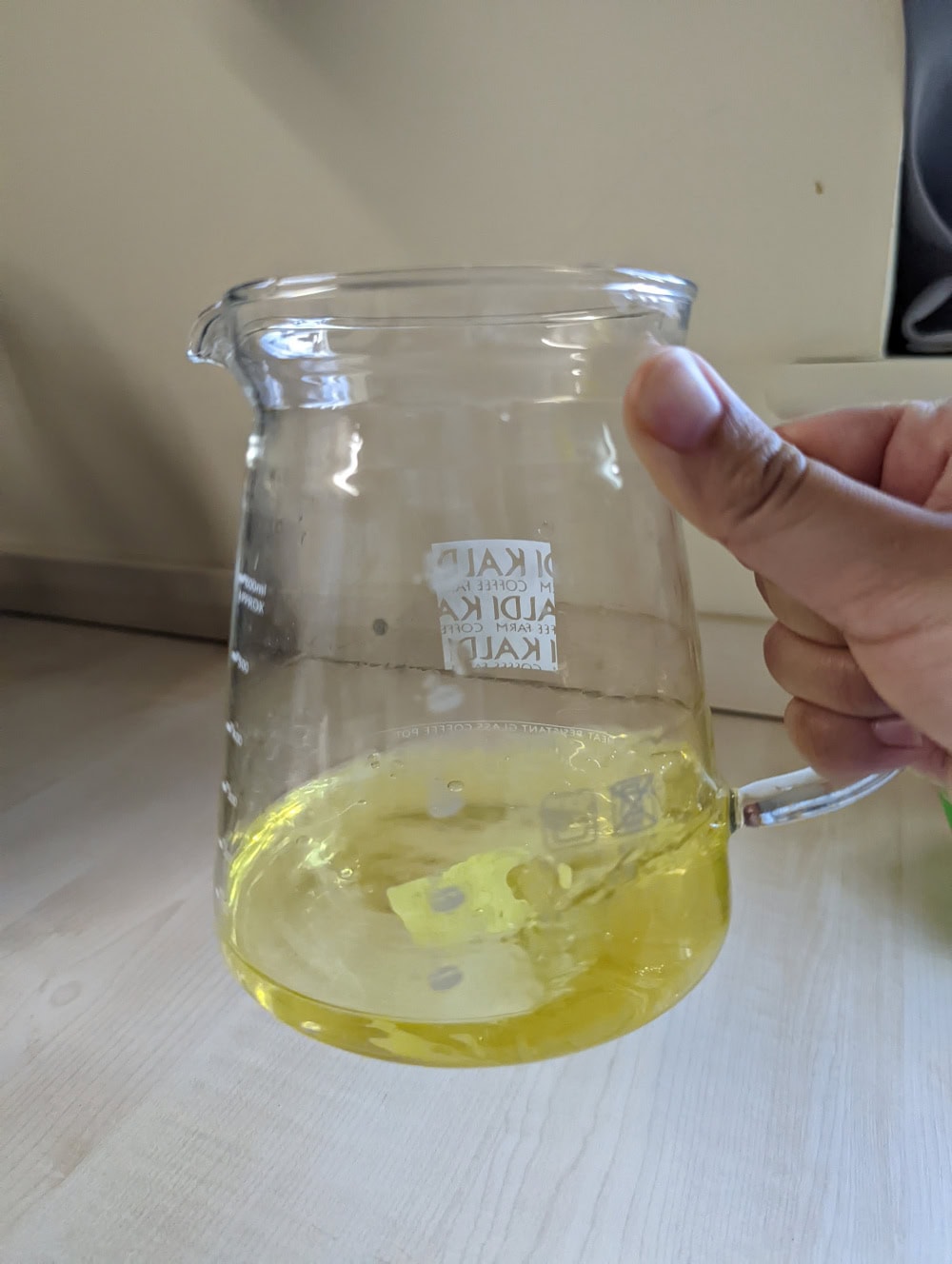
Keep stirring the solution until no salt crystals can be seen. This yellow liquid has now become your fake urine for the test.
Step 3

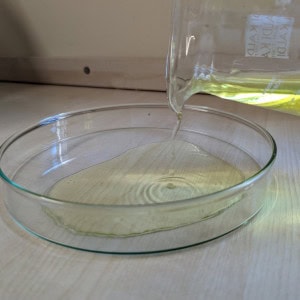
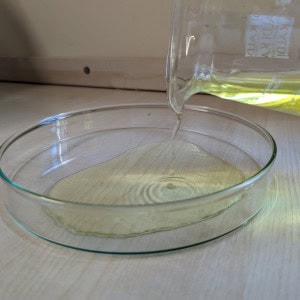
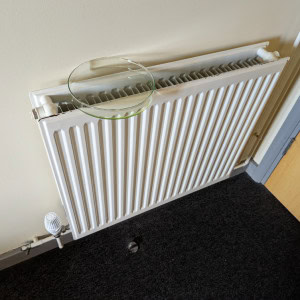
Pour the solution into an evaporating dish.
Step 4

Heat it over a night light or other heat source. (We find that a radiator works very well!) Safety Measures: Ask an adult to help you when using the heat source. The evaporating dish can become very hot after heating so ask an adult to remove the evaporating dish from the heat source for you.
Step 5

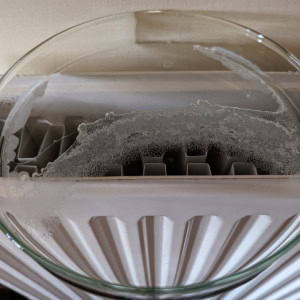
Watch as the liquid evaporates and the salt crystallises around the edge of the dish.